AM & PM (intro) (Time)
Watch this topic in 60 seconds
Free preview · Lesson 1
Understanding AM & PM (intro) (Time)
Understanding AM and PM: Your Day in Time!
Welcome, super sleuths of time! Today, we're going on an exciting adventure to understand a very important part of telling time: AM and PM. Think of AM and PM as special labels that help us know if a time is in the morning or the afternoon/evening. It’s like giving a name to different parts of our day!
What is a Day?
First, let’s remember what a whole day is. A day is a full 24 hours, from the moment one midnight ends to the moment the next midnight begins. It’s like a big circle of time that keeps going and going!
Splitting the Day: Noon and Midnight
To make things easier, we split the 24-hour day into two big halves. We have a special time called noon, which is 12:00 in the middle of the day. We also have a special time called midnight, which is 12:00 in the middle of the night. These two times are super important because they are the dividing lines between AM and PM!
Meet AM: The Morning Marvel!
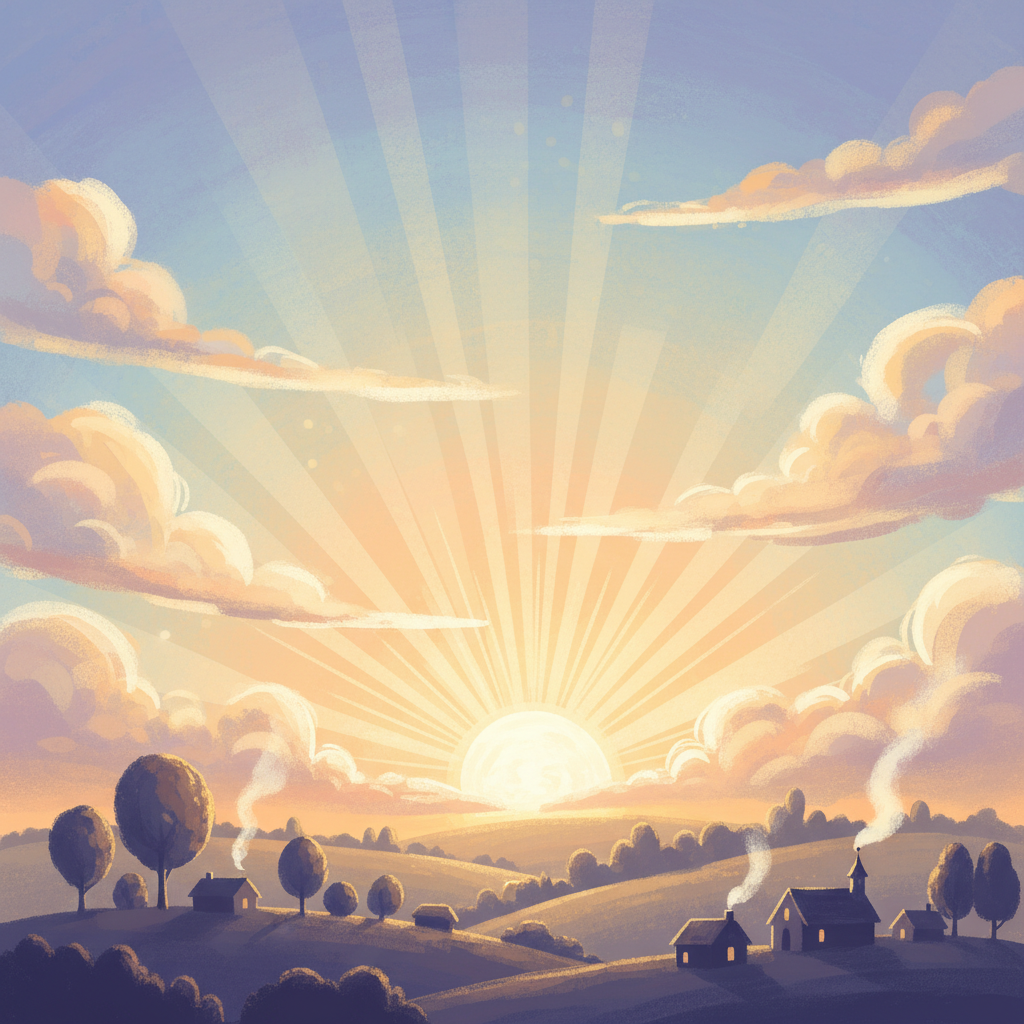
AM stands for Ante Meridiem. That’s a fancy Latin way of saying “before noon.” This means AM tells us about the times from midnight (the start of the day) all the way up to, but not including, noon. Think of everything that happens in the morning: when you wake up, eat breakfast, go to school, and do your morning lessons. All of these times are AM!
Analogy Time! Imagine your day is like a long train ride. Midnight is where the train starts its journey for the day. As the train moves forward, it passes through all the morning hours. When the clock ticks past 12:00 AM (midnight), you are in the AM. So, 7:00 AM is like being 7 hours into your morning journey. The AM part of your train ride lasts until you reach the middle station of the day, which is noon!
- Midnight (12:00 AM): The very start of the day.
- Early Morning: After midnight, like 1:00 AM, 2:00 AM, etc. (These are times when most people are sleeping!)
- Wake-up Time: Like 6:00 AM or 7:00 AM.
- Breakfast Time: Usually around 7:00 AM or 8:00 AM.
- School Start Time: Often around 8:00 AM or 9:00 AM.
- Mid-Morning: Like 10:00 AM or 11:00 AM.
So, any time from 12:00 AM to 11:59 AM is considered AM.
Meet PM: The Afternoon & Evening Explorer!
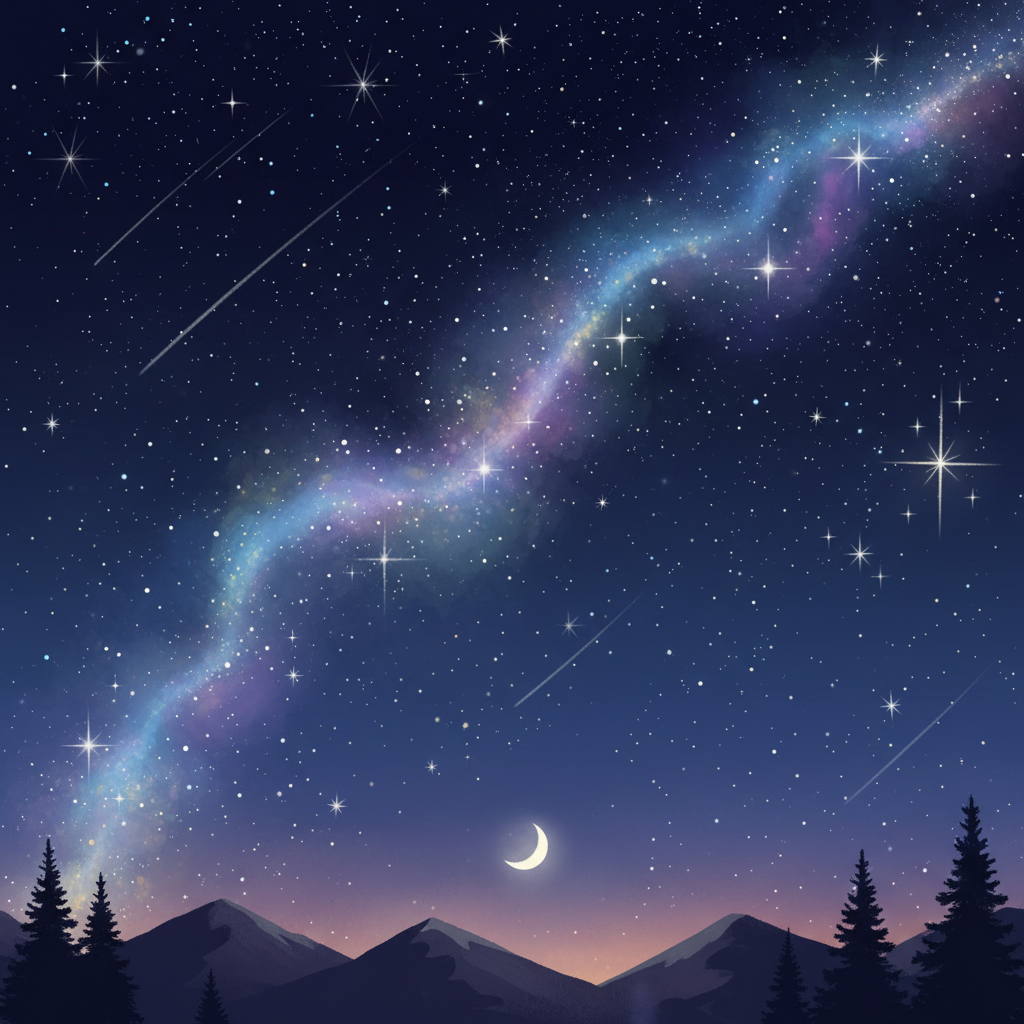
PM stands for Post Meridiem. This is another fancy Latin phrase that means “after noon.” PM tells us about the times from noon (the middle of the day) all the way up to, but not including, midnight. Think of everything that happens in the afternoon and the evening: after school, playtime, dinner, and getting ready for bed. All of these times are PM!
Analogy Time! Remember our train ride? After the train passes the noon station, it enters the PM part of its journey. So, 1:00 PM is one hour *after* noon. 5:00 PM is five hours *after* noon. This is when you might be finishing homework or playing outside. The PM part of your train ride continues all the way until it reaches the midnight station again, ready to start a new day!
- Noon (12:00 PM): The middle of the day.
- Early Afternoon: Right after noon, like 1:00 PM or 2:00 PM.
- School Dismissal Time: Often around 3:00 PM or 4:00 PM.
- Afternoon Snack/Playtime: Like 4:00 PM or 5:00 PM.
- Dinner Time: Usually around 6:00 PM or 7:00 PM.
- Evening: Like 8:00 PM or 9:00 PM (getting ready for bed).
So, any time from 12:00 PM to 11:59 PM is considered PM.
 ⚠️ This picture may have spelling mistakes. Trust the words in the lesson.
Putting It All Together: A 24-Hour Cycle
A full day is 24 hours long. We use AM and PM to divide these 24 hours into two 12-hour periods. It’s important to remember that 12:00 is special. 12:00 AM is midnight, and 12:00 PM is noon. They are the starting and middle points for our AM and PM periods.
Let’s trace a typical day:
- 12:00 AM: Midnight. The day begins.
- 7:00 AM: You wake up! This is morning, so it's AM.
- 12:00 PM: Noon. The middle of the day. This is PM.
- 3:00 PM: School is out. This is afternoon, so it's PM.
- 7:00 PM: Dinner time. This is evening, so it's PM.
- 11:00 PM: Getting ready for bed. This is still evening, so it's PM.
- 12:00 AM: Midnight again! A new day begins.
It can be a little tricky when we get to 12 o’clock! Think of it like this:
- 12:00 AM: The *start* of AM.
- 12:00 PM: The *start* of PM.
You’ll see times like 12:30 AM (just after midnight) and 12:30 PM (just after noon). These also tell you if you are in the AM or PM part of the day.
Why is This Important?
Knowing AM and PM helps us understand schedules. If a TV show is on at 8:00 AM, you know to watch it after breakfast. If a movie starts at 7:00 PM, you know to watch it after dinner. It helps us organize our lives and know exactly when things are happening!
Keep practicing, and soon you’ll be a time-telling expert!
Keep learning, free
Create a free Syllabax account to unlock practice questions and games for this topic.
Visual Learning Enhanced! 🚀
To help you master this topic, we use Advanced Syllabax AI to generate detailed diagrams and visual models.
Note on Visuals: The AI sometimes makes spelling errors in image labels. Please refer to the lesson text for the correct terminology.