Word Pairs and Odd One Out
Watch this topic in 60 seconds
Free preview · Lesson 1
Word Pairs and Odd One Out (Foundational)
Word Pairs and Odd One Out (Foundational)
Hello, young scientists! Today, we're going to learn about word pairs and how to find the odd one out. These are important skills for understanding how things are connected and for solving problems!
What are Word Pairs?
Word pairs are two words that have a special relationship with each other. They might:
- Mean the same thing: Also known as Synonyms.
- Mean the opposite thing: Also known as Antonyms.
- Go together or belong to the same category.
Let's look at some examples:
- Hot and Cold: These are opposites!
- Happy and Glad: These mean almost the same thing!
- Dog and Bone: A dog often likes a bone!
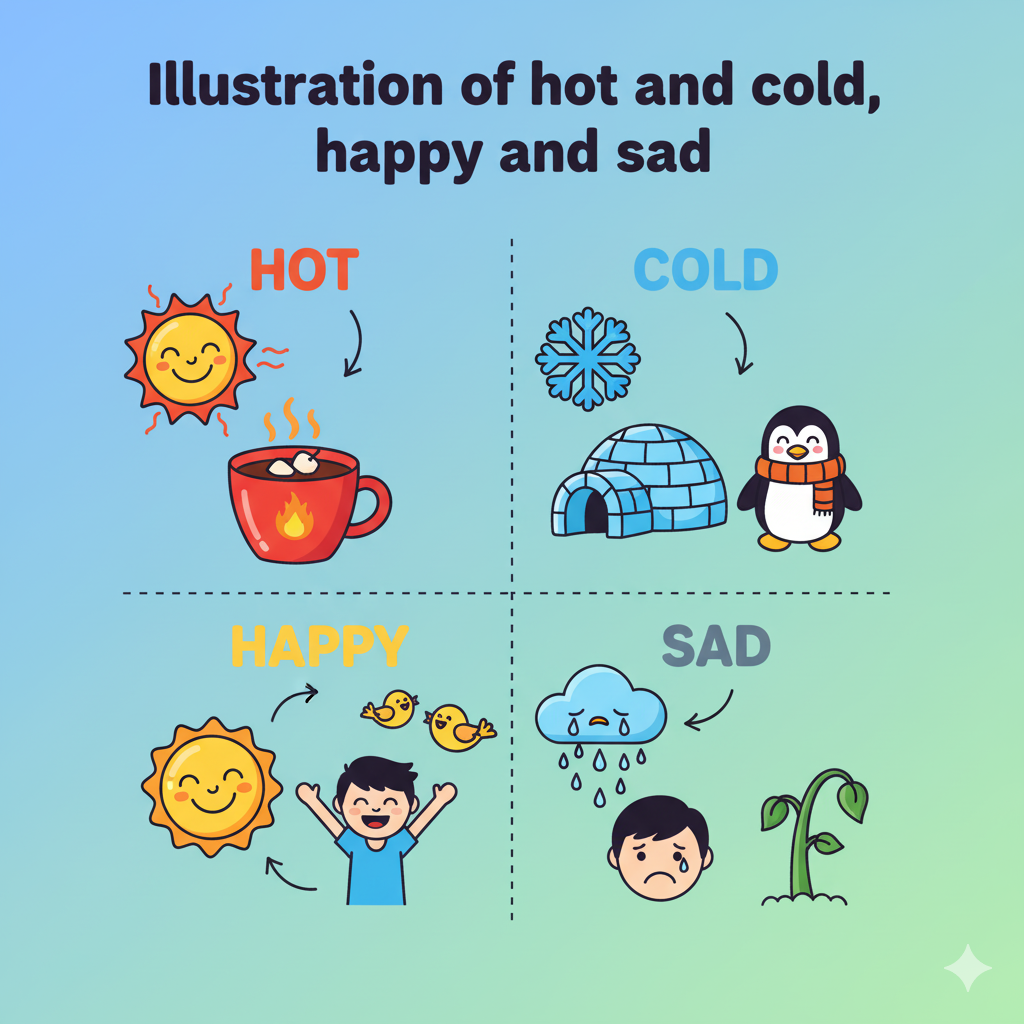 What is the Odd One Out?
The 'odd one out' is something (usually a word) that doesn't belong in a group. To find it, you need to look for what the other things in the group have in common and then see which one is different.
Let's try an example:
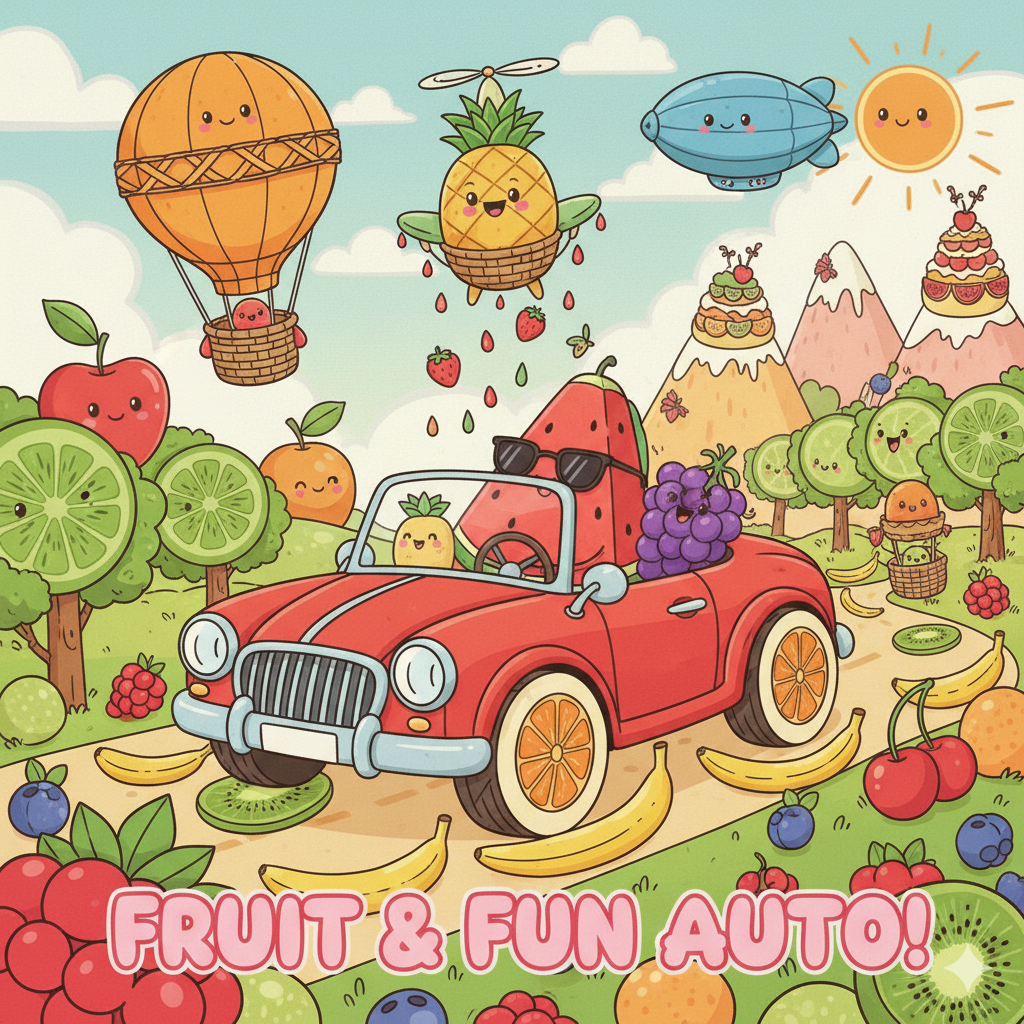
Which is the odd one out: Apple, Banana, Car, Orange?
The answer is Car. Why? Because Apple, Banana, and Orange are all fruits, but a Car is a vehicle.
How to Find the Odd One Out
- Look closely at all the words or items in the group.
- Think about what the words or items have in common.
- Find the word or item that doesn't fit with the others.
- Explain *why* that word/item is the odd one out.
 Let's do another one! Which is the odd one out: Blue, Green, Table, Red? The odd one out is Table, because blue, green and red are all colors!
Keep practicing, and you'll become a word pair and odd-one-out expert!
Keep learning, free
Create a free Syllabax account to unlock practice questions and games for this topic.
Visual Learning Enhanced! 🚀
To help you master this topic, we use Advanced Syllabax AI to generate detailed diagrams and visual models.
Note on Visuals: The AI sometimes makes spelling errors in image labels. Please refer to the lesson text for the correct terminology.