Metals and non-metals (CHEMISTRY)
Watch this topic in 60 seconds
Free preview · Lesson 1
Understanding Metals and non-metals (CHEMISTRY)
Exploring the World of Metals and Non-Metals!
Hello, young scientists! Have you ever looked around your house or classroom and noticed how different objects are? Some things are shiny, strong, and great for making tools or wires. Other things might be dull, crumbly, or good for keeping things warm or cool. Today, we're going on an exciting adventure to sort and understand these different kinds of materials! We're going to learn about two big families in the world of chemistry: Metals and Non-Metals.
What's the Big Idea?
Everything you see and touch, from the air you breathe to the desk you write on, is made up of tiny building blocks called elements. Think of elements like unique LEGO bricks – each one is special. Scientists have found over 100 different types of these LEGO bricks, and they've decided to sort them into two main groups based on how they behave and what they look like: Metals and Non-Metals.
Meet the Metals: The Shiny, Strong Superheroes!
Imagine a superhero team. The metals would definitely be on it! They have some amazing powers:
-
Shiny (Lustrous)
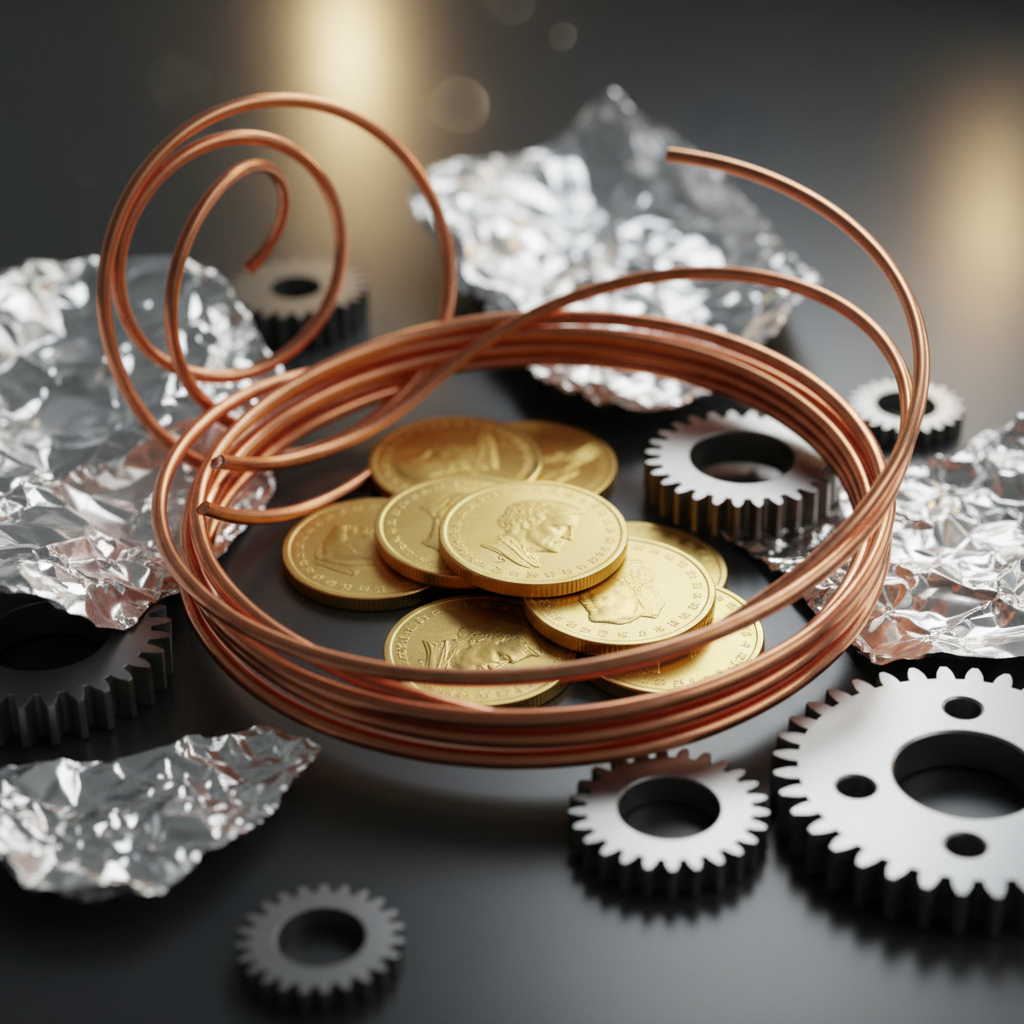
Most metals love to sparkle! Think about a brand-new silver spoon, a shiny gold coin, or a sparkling piece of jewelry. This shininess is called luster. It's like they've polished themselves! When light hits them, it bounces off in a special way, making them look bright and reflective. Gold, silver, copper, and aluminum all have this fantastic shine. Isn't that cool?
-
Bendable and Shapeable (Malleable)
Metals are not just pretty; they're also super flexible! This means you can hit them with a hammer, and instead of breaking into tiny pieces, they just flatten out or change shape. We call this property malleability. Imagine squishing a piece of soft clay or play-doh into a pancake – that's how malleable some metals are! This is why we can make thin aluminum foil, flat sheets of steel for cars, or intricate jewelry from gold. If they weren't malleable, all our metal objects would be lumpy and hard to use!
-
Stretchy into Wires (Ductile)
Not only can metals flatten, but many of them can also be stretched into long, thin wires without breaking! This amazing property is called ductility. Think of pulling a piece of taffy or chewing gum into a long string. That's what engineers do with metals like copper to make the electrical wires that bring electricity to your lights and devices. Without ductile metals, we wouldn't have all those useful cables!
-
Good at Sharing Heat and Electricity (Conductors)
Metals are like super-fast highways for heat and electricity! If you touch a metal spoon to a hot soup, the spoon quickly gets warm all over, right? That's because metals are excellent conductors of heat. Similarly, they are amazing conductors of electricity, which means electricity can flow through them easily. This is why electrical wires are made of copper (a metal) and why cooking pots are often made of aluminum or steel (both metals). They love to share energy!
Here are some examples of metals you might know: Gold, Silver, Copper, Iron, Aluminum, Zinc, Lead.
Take a look at these shiny, versatile metals!
Meet the Non-Metals: The Quiet, Essential Helpers!
Now, let's meet the other family: the non-metals. They might not be as shiny or strong as metals, but they are incredibly important for our lives and the world around us. In fact, you're breathing some non-metals right now!
-
Dull (Not Shiny)
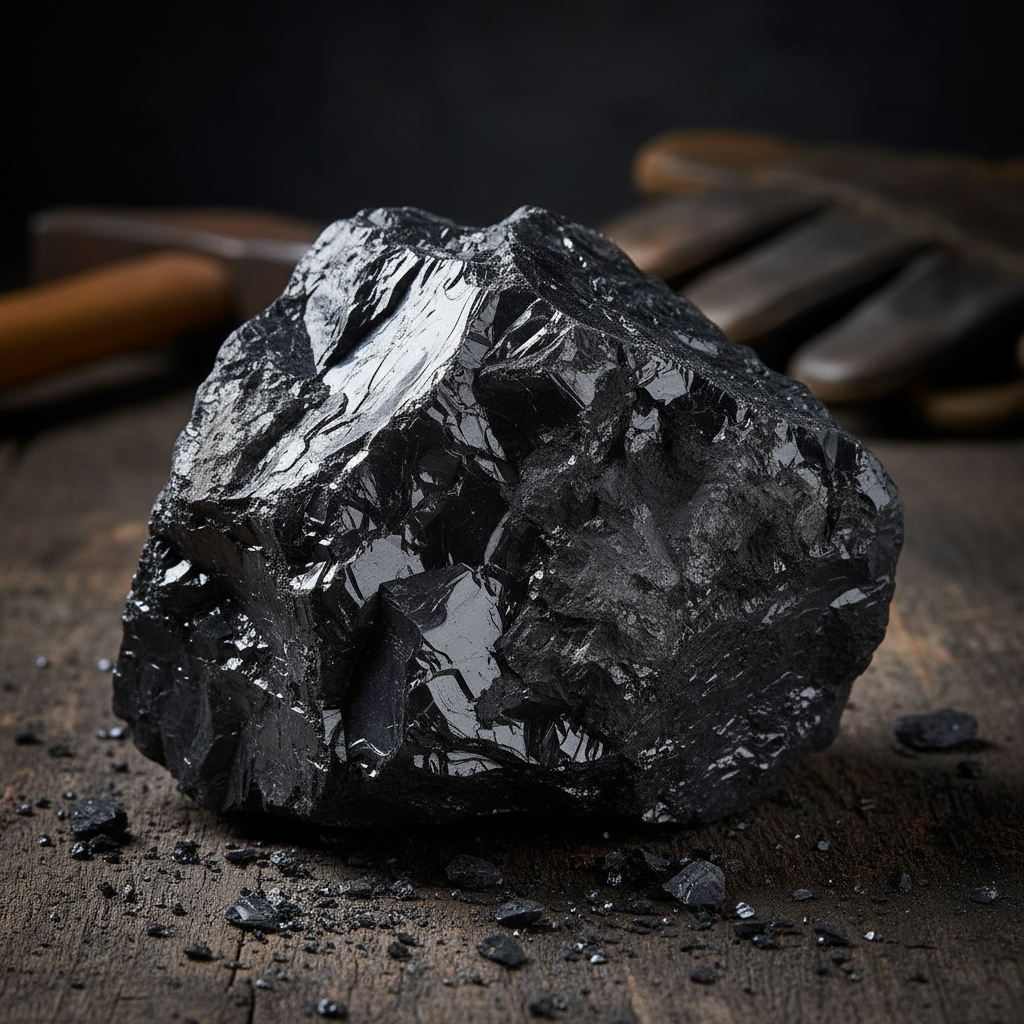
Unlike their flashy metal cousins, non-metals are usually quite plain. They don't have that sparkling luster. Instead, they look dull or earthy. Think of a lump of coal, which is mostly carbon – it's black and doesn't reflect much light. Sulfur, another non-metal, is a yellow powder that isn't shiny at all. They prefer to stay out of the spotlight!
-
Breaks Easily (Brittle)
If you try to hit a non-metal with a hammer, it usually won't flatten or stretch. Instead, it will just break or crumble into pieces! This property is called brittleness. Imagine trying to hammer a dry cracker – it would just shatter, wouldn't it? That's how many non-metals behave. This is why you don't see tools or wires made from materials like coal or sulfur.
-
Poor at Sharing Heat and Electricity (Insulators)
While metals are like super-highways for energy, non-metals are more like roadblocks. They are poor conductors of heat and electricity. This means heat and electricity do not pass through them easily. We often call them insulators. Think of a thick winter coat or a warm blanket – they keep heat *in* and don't let it escape. Plastics (made from carbon, a non-metal), wood, and rubber are all good insulators. This is why the handles of cooking pots are often made of plastic or wood, and why electrical wires have a rubber or plastic coating – to keep you safe from the electricity!
Here are some examples of non-metals: Carbon (like in coal), Oxygen (the air we breathe!), Nitrogen, Sulfur, Chlorine, Hydrogen.
Here are some examples of common non-metals:
 ⚠️ This picture may have spelling mistakes. Trust the words in the lesson.
Quick Recap: Metals vs. Non-Metals
| Property | Metals | Non-Metals |
|---|---|---|
| Appearance | Shiny (Lustrous) | Dull |
| Shape Change | Malleable (bendable), Ductile (stretchy into wires) | Brittle (breaks easily) |
| Heat/Electricity | Good Conductors | Poor Conductors (Insulators) |
| Examples | Gold, Copper, Iron, Aluminum | Carbon (coal), Oxygen, Sulfur |
Why Does This Matter?
Understanding metals and non-metals helps us choose the right materials for different jobs! We use metals for things that need to be strong, shiny, conduct electricity, or be shaped, like coins, bridges, and electrical wires. We use non-metals for things that need to be good insulators, like the handles on pots, or for gases that are essential for life, like the air we breathe. The world is full of these amazing materials, and now you know how to tell them apart!
Keep learning, free
Create a free Syllabax account to unlock practice questions and games for this topic.
Visual Learning Enhanced! 🚀
To help you master this topic, we use Advanced Syllabax AI to generate detailed diagrams and visual models.
Note on Visuals: The AI sometimes makes spelling errors in image labels. Please refer to the lesson text for the correct terminology.