12-hour & 24-hour format [Time]
Watch this topic in 60 seconds
Free preview · Lesson 1
Understanding 12-hour & 24-hour format [Time]
Mastering Time: 12-Hour vs. 24-Hour Format
Hello young time travelers! Today, we're going on an exciting adventure to understand how we tell time. You already know how to tell time using a clock with numbers up to 12, right? That's like using a compass with only North, South, East, and West. But sometimes, we need a more precise way to know exactly when something is happening, especially in our busy world. We're going to learn about two main ways we write down time: the 12-hour format and the 24-hour format. Think of them as two different languages for talking about time!
What is the 12-Hour Format?
You're probably very familiar with the 12-hour format! It's the one we use most often in everyday conversation and on many analog clocks. In this format, the day is divided into two 12-hour periods. We use the letters 'AM' and 'PM' to tell the difference.
AM (Ante Meridiem): This is a fancy Latin phrase that means "before midday." It covers the time from midnight (12:00 AM) all the way up to, but not including, noon (12:00 PM). So, when the sun is rising, and you're eating breakfast, that's all AM time. It's the first half of the day.
PM (Post Meridiem): This is another Latin phrase that means "after midday." It covers the time from noon (12:00 PM) all the way up to, but not including, midnight (12:00 AM). So, when the sun is high in the sky, and you're having lunch, and then it starts to get dark and you're having dinner, that's all PM time. It's the second half of the day.
Let's break it down with some analogies:
- Think of a race track: Imagine a race track with 12 laps. You complete the first 12 laps (AM), and then you start the second set of 12 laps (PM) to finish the whole race (the day).
- Think of a song with two verses: The first verse (AM) is like the morning, and the second verse (PM) is like the afternoon and evening. Both verses make up the whole song.
Examples in 12-Hour Format:
- Waking up: 7:00 AM
- School starts: 8:30 AM
- Lunchtime: 12:00 PM (Noon)
- Afternoon snack: 3:45 PM
- Dinner time: 6:30 PM
- Going to bed: 9:00 PM
- Midnight: 12:00 AM (This is the very start of a new day!)
Important Note: 12:00 AM is midnight, the start of the day. 12:00 PM is noon, the middle of the day.
Here's a visual representation of how the 12-hour cycle works:
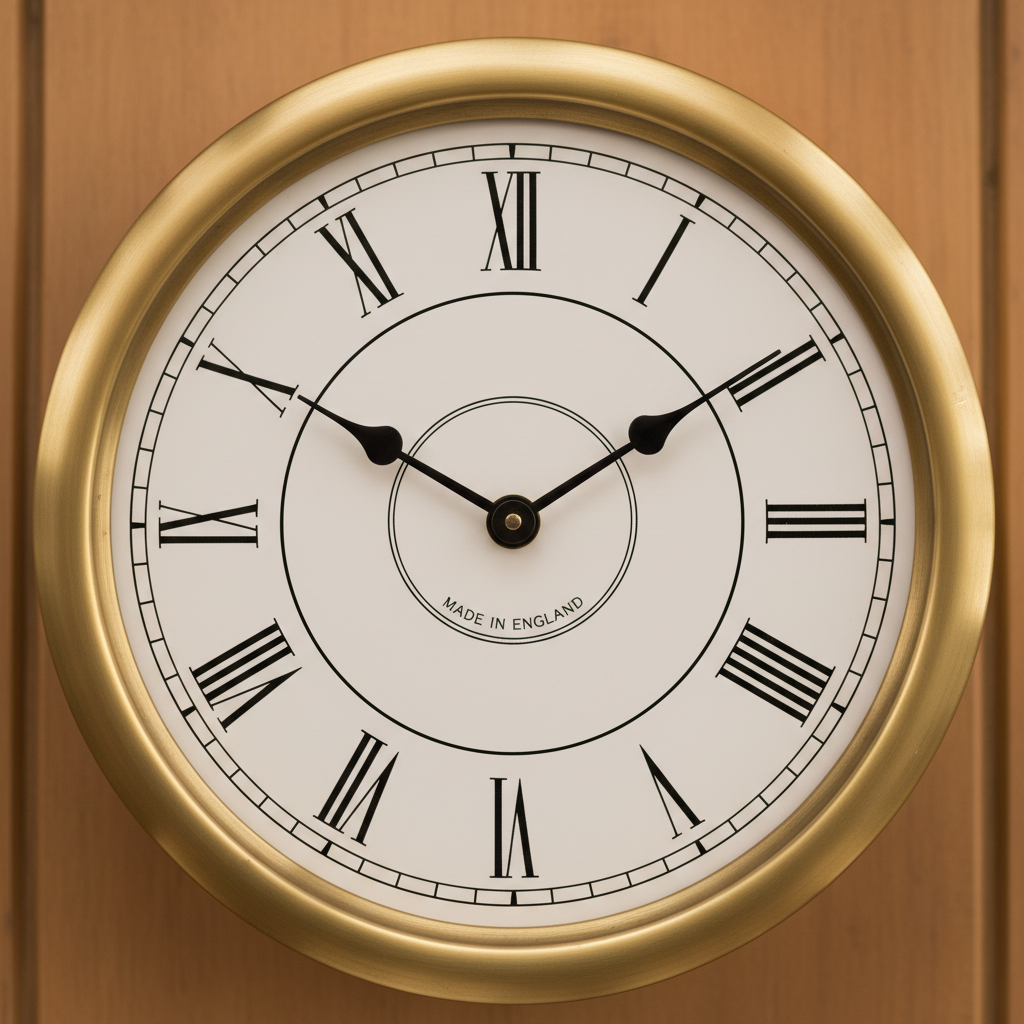
What is the 24-Hour Format?
The 24-hour format is like a marathon runner who keeps going without stopping for a break! Instead of splitting the day into two 12-hour chunks, it uses numbers from 00 to 23 to represent every hour of the day. It's like having a super-long clock that goes all the way around just once.
This format is super useful because it completely avoids confusion between AM and PM. You always know exactly which part of the day it is just by looking at the number.
How it works:
- The day starts at 00:00 (midnight).
- The hours from midnight to noon are the same as the 12-hour format, but we don't use AM. For example, 1:00 AM is 01:00, 7:00 AM is 07:00, and 11:00 AM is 11:00.
- Noon (12:00 PM) is written as 12:00.
- After noon, the numbers keep increasing. So, 1:00 PM becomes 13:00 (12 + 1). 2:00 PM becomes 14:00 (12 + 2), and so on.
- The last hour of the day is 23:00, which is 11:00 PM.
- The day ends and the next day begins at 24:00, which is the same as 00:00 of the next day.
Let's use our analogies again to understand the 24-hour format:
- Think of a train schedule: Train schedules often use the 24-hour format because it's important to know exactly when a train departs or arrives, especially for long-distance travel. A train leaving at 14:30 is clearly in the afternoon, and there's no confusion with a morning departure.
- Think of a video game timer: In many video games, a timer might count up from 0:00 all the way to 23:59. It doesn't reset until the next day begins.
Examples in 24-Hour Format:
- Midnight: 00:00 (Start of the day)
- 7:00 AM: 07:00
- 8:30 AM: 08:30
- Noon: 12:00
- 3:45 PM: 15:45 (because 12 + 3 = 15)
- 6:30 PM: 18:30 (because 12 + 6 = 18)
- 9:00 PM: 21:00 (because 12 + 9 = 21)
- 11:00 PM: 23:00
- Midnight again: 24:00 (which is 00:00 of the next day)
Key Trick for PM times: To convert a PM time (from 1:00 PM to 11:59 PM) to 24-hour format, just add 12 to the hour number. For example, 5:00 PM becomes 5 + 12 = 17:00.
Here's a way to visualize the 24-hour cycle:
Why Are Both Formats Used?
The 12-hour format is friendly and familiar, perfect for talking with friends and family or when glancing at a clock. It feels natural because we often think of the day in two halves: morning and afternoon/evening.
The 24-hour format is all about precision and avoiding mistakes. It's used by:
- Military
- Hospitals
- Transportation services (like airlines and trains)
- Computers and scheduling software
This is because when every minute counts, or when you need to schedule events across different time zones or in a very organized way, the 24-hour format leaves no room for doubt.
Let's Practice!
Now that we've explored both time languages, let's test your understanding. Don't worry, we'll start with simple steps!
Keep learning, free
Create a free Syllabax account to unlock practice questions and games for this topic.
Visual Learning Enhanced! 🚀
To help you master this topic, we use Advanced Syllabax AI to generate detailed diagrams and visual models.
Note on Visuals: The AI sometimes makes spelling errors in image labels. Please refer to the lesson text for the correct terminology.