Advent of Europeans – Indian History
Watch this topic in 60 seconds
Free preview · Lesson 1
Advent of Europeans – Indian History (Foundational)
Advent of Europeans – Indian History (Foundational)
Hello, future historians! Get ready to travel back in time and discover how Europeans first came to India. It’s a story of trade, adventure, and a whole lot of change!
Why Did Europeans Come to India?
Imagine you have a favorite candy that you can only get in a faraway land. That's kind of how it was with Europeans and Indian spices, silk, and other amazing goods!
- Spices: Things like pepper, cinnamon, and cloves were super valuable in Europe. They made food taste better and helped preserve it.
- Trade Routes: The old land routes to India were long and difficult. Europeans wanted a quicker, easier way to get their hands on those spices!
Who Were the First Europeans to Arrive?
Several European countries sent explorers and traders to India. Here are a few important ones:
- Portuguese: Vasco da Gama was a Portuguese explorer who found a sea route to India in 1498. That was a HUGE deal!
- Dutch: The Dutch East India Company also came to India to trade.
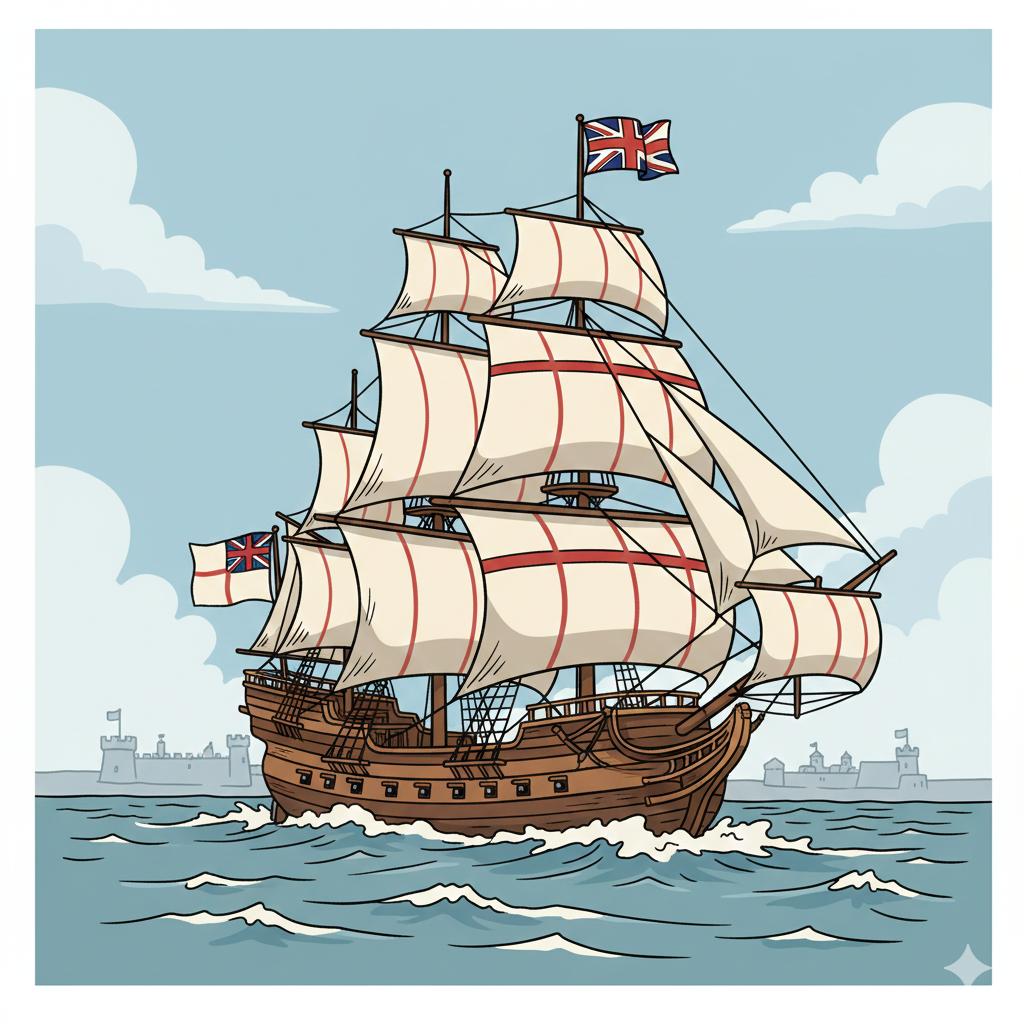
- English: The English East India Company became very powerful and eventually controlled much of India.
- French: The French also tried to establish trading posts, but the English were more successful.
The East India Companies
These were like super-powerful businesses that had their own armies and made deals with Indian rulers.
- East India Company (EIC): A British company that controlled trade and eventually ruled much of India.
- Trading Posts: The companies set up trading posts in cities like Surat, Madras (Chennai), and Calcutta (Kolkata).
 Important Terms
- Explorer: Someone who travels to new places to discover them.
- Trade: Buying and selling goods.
- Company: A business organization.
- Colony: A country or area under the full or partial political control of another country, typically a distant one, and occupied by settlers from that country.
Keep learning, free
Create a free Syllabax account to unlock practice questions and games for this topic.
Visual Learning Enhanced! 🚀
To help you master this topic, we use Advanced Syllabax AI to generate detailed diagrams and visual models.
Note on Visuals: The AI sometimes makes spelling errors in image labels. Please refer to the lesson text for the correct terminology.