Learning Journey
Watch this topic in 60 seconds
Free preview · Lesson 1
Understanding Increasing/reducing friction[PHYSICS]
Understanding Friction: The Force That Slows Us Down (and Sometimes Helps Us!)
Imagine trying to push a heavy box across the floor. It’s hard work, right? You push, and push, but the box only moves if you push hard enough. What's stopping it from zipping across the room with just a tiny nudge? The answer is friction!
What is Friction?
Friction is a force that opposes motion between two surfaces that are in contact. Think of it as a kind of stickiness or resistance that happens when things rub against each other. It’s the reason why:
- A hockey puck eventually slows down on the ice.
- Your shoes grip the ground when you walk or run.
- A car’s brakes can stop the vehicle.
Friction is always present when surfaces are trying to slide or move past each other. It acts in the opposite direction of the motion (or intended motion).
Why Does Friction Happen? The Tiny Bumps!
Even surfaces that look smooth, like a tabletop or a polished floor, are actually rough on a microscopic level. Imagine looking at them through a super-powerful microscope. You’d see tiny hills and valleys. When two surfaces touch, these bumps and valleys interlock and snag against each other. It takes force to break these little connections and allow the surfaces to slide.
Think of it like two pieces of sandpaper rubbing together. Even if they are very fine, they have rough surfaces that catch on each other.
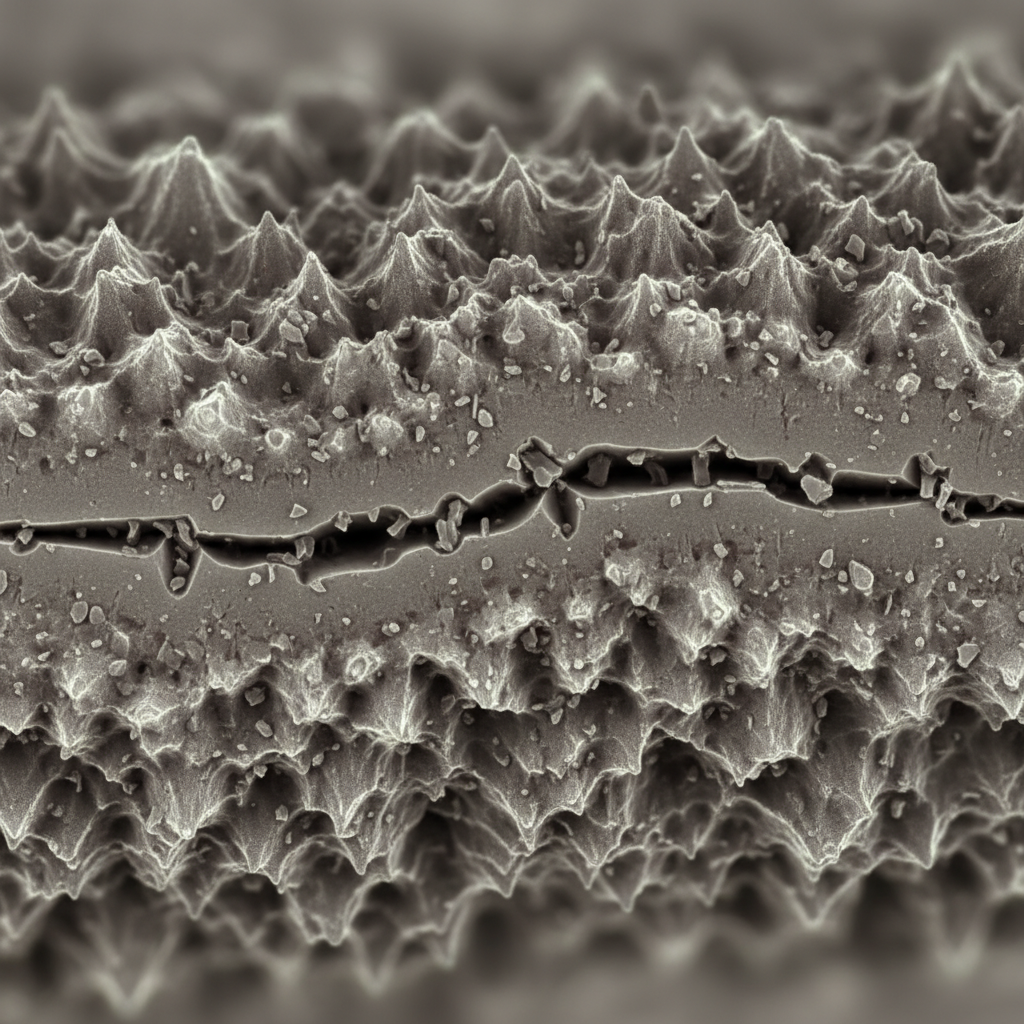 ⚠️ This picture may have spelling mistakes. Trust the words in the lesson.
Types of Friction
There are a few main types of friction we encounter:
- Static Friction: This is the friction that prevents an object from starting to move. It's the 'stickiness' you feel when you try to push something heavy that's not moving yet. It’s like trying to push a stubborn mule – it takes a good shove to get it moving. Static friction is usually the strongest type of friction.
- Analogy: Imagine trying to slide a heavy rug across the floor. You push a little, and it doesn't budge. That resistance is static friction. You have to push harder to overcome it and get the rug to move.
- Sliding Friction: This is the friction that happens when one object is already sliding over another. It's the force that slows down a sled going down a hill or the resistance you feel when you slide a book across your desk. Sliding friction is weaker than static friction.
- Analogy: Think about pushing that same rug across the floor after you've managed to get it moving. It's still hard to push, but it's easier than when it was completely still. That’s sliding friction.
- Rolling Friction: This occurs when an object rolls over a surface. Wheels on a car, a ball rolling, or even a rolling suitcase experience rolling friction. This is generally the weakest type of friction, which is why we use wheels so much!
- Analogy: Imagine trying to drag that heavy box across the floor (sliding friction). Now imagine putting that box on a rolling cart. It’s much, much easier to move! The cart's wheels are fighting much less friction than the box directly on the floor.
- Fluid Friction (or Drag): This is friction that happens when an object moves through a fluid (like water or air). Air resistance on a moving car or a falling skydiver, or the drag on a boat moving through water, are examples of fluid friction.
- Analogy: Think about running through water versus running on land. Running through water is much harder because the water pushes back against you. That push-back is fluid friction or drag. Similarly, a swimmer’s suit is designed to be smooth to reduce drag.
Factors Affecting Friction
What makes friction stronger or weaker? Two main things:
- The surfaces in contact: Rougher surfaces create more friction than smoother surfaces. Think about walking on a sandy beach versus walking on a polished marble floor. The sand offers much more grip (friction). You wouldn't want to walk on marble in socks!
- Analogy: Imagine shaking hands with someone who has very dry, rough hands versus someone with smooth, moisturized hands. The rougher hands would feel 'stickier' or create more resistance.
- The force pressing the surfaces together (Normal Force): The harder you press two surfaces together, the more friction there will be. If you push down harder on that heavy box, it becomes even harder to slide.
- Analogy: Imagine trying to slide a single playing card across a table. Easy. Now imagine stacking a whole deck of cards and trying to slide the top card. Much harder! The extra weight (force) of the cards on top increases the friction.
Increasing Friction: Making Things Stickier!
Sometimes, we want *more* friction. Think about:
- Tires on a road: We want tires to grip the road so cars can accelerate, brake, and turn safely. The tread patterns on tires are designed to increase friction with the road surface.
- Shoes: The soles of shoes have grips and textures to prevent slipping.
- Brakes: Brake pads in a car or bicycle press against the wheel to create friction and slow it down.
- Putting powder on a slide: This is a trick to *reduce* friction! So, to increase friction, you might add something rough or sticky.
How to increase friction:
- Make the surfaces rougher (e.g., adding tread to tires, using grip tape).
- Increase the force pressing the surfaces together (e.g., by adding weight).
- Use materials that are naturally sticky or have high friction coefficients (like rubber on asphalt).
Reducing Friction: Making Things Smoother!
Other times, we want *less* friction. This makes things move more easily.
- Lubricants: Oil, grease, and water are often used to reduce friction between moving parts, like in an engine or on a bicycle chain. They create a slippery layer between surfaces.
- Ball Bearings: These are small balls placed between rotating parts. Instead of sliding friction, you get much weaker rolling friction. This is why skateboards and roller skates have bearings.
- Aerodynamic Shapes: For things moving through air or water (like airplanes or submarines), shapes that are smooth and streamlined help reduce fluid friction (drag).
How to reduce friction:
- Make the surfaces smoother.
- Use lubricants (oils, greases, water).
- Replace sliding friction with rolling friction (using wheels or bearings).
- Design objects to be streamlined to reduce air or water resistance.
Friction: Good or Bad?
Friction isn't inherently good or bad; it's just a force of nature. It’s essential for many everyday activities like walking and driving. However, it can also cause wear and tear on moving parts and waste energy as heat. Understanding friction helps us design better machines, improve safety, and even make sports more exciting!
Keep learning, free
Create a free Syllabax account to unlock practice questions and games for this topic.
Visual Learning Enhanced! 🚀
To help you master this topic, we use Advanced Syllabax AI to generate detailed diagrams and visual models.
Note on Visuals: The AI sometimes makes spelling errors in image labels. Please refer to the lesson text for the correct terminology.