Wild animals (very simple) (Animals Around Us)
Watch this topic in 60 seconds
Free preview · Lesson 1
Understanding Wild animals (very simple) (Animals Around Us)
Welcome to the World of Wild Animals!
Hello, young explorers! Today, we're going on an exciting adventure to learn about some very special creatures called **wild animals**. Have you ever wondered about animals that live far away from our homes, in big, natural places?
What Makes an Animal "Wild"?
Think about your pet cat or dog. You give them food, a warm bed, and lots of cuddles, right? Wild animals are a bit different! They are super independent and amazing at taking care of themselves.
- No Human Homes! Wild animals live in places like big forests, hot deserts, or deep oceans. These are their natural homes, not houses built by people. It's like their whole world is a giant, natural park!
- Find Their Own Food! Imagine if you had to find all your own snacks and meals from nature every day! Wild animals are expert hunters and gatherers. Some eat yummy plants and fruits, some are like super speedy catchers of other smaller animals, and some eat both. They are their own amazing chefs!
- Super Independent! Wild animals learn everything they need from their animal parents and from living in nature. No one trains them or tells them what to do. They are not pets, and they love their freedom!
Where Do Wild Animals Live? (Their Amazing Homes!)
Just like you have a house or an apartment, wild animals have special places they call home, known as **habitats**. These habitats are like big, natural neighborhoods, each with its own unique feel and a special family of animals living there.
- Forests: Imagine walking through a place with lots of tall trees, green bushes, and maybe a gentle stream flowing by. This is a forest! Animals like bears, deer, squirrels, and many types of birds love living here. It's like a giant, leafy playground for them!
- Deserts: Think of a very sandy, very hot place with not much water. It's like a big, sunny sandbox that stretches for miles! Animals like camels, some types of lizards, and clever desert foxes are experts at living here because they can go a long time without much water.
- Oceans: The biggest home of all! It's full of water and stretches farther than you can see. Fish of all colors, speedy sharks, playful dolphins, and giant whales live here. It's like a giant, deep blue swimming pool for thousands of different creatures!
- Jungles: These are like super thick, very warm forests, often with lots of rain. Monkeys love swinging through the trees here, and colorful birds sing sweet songs.
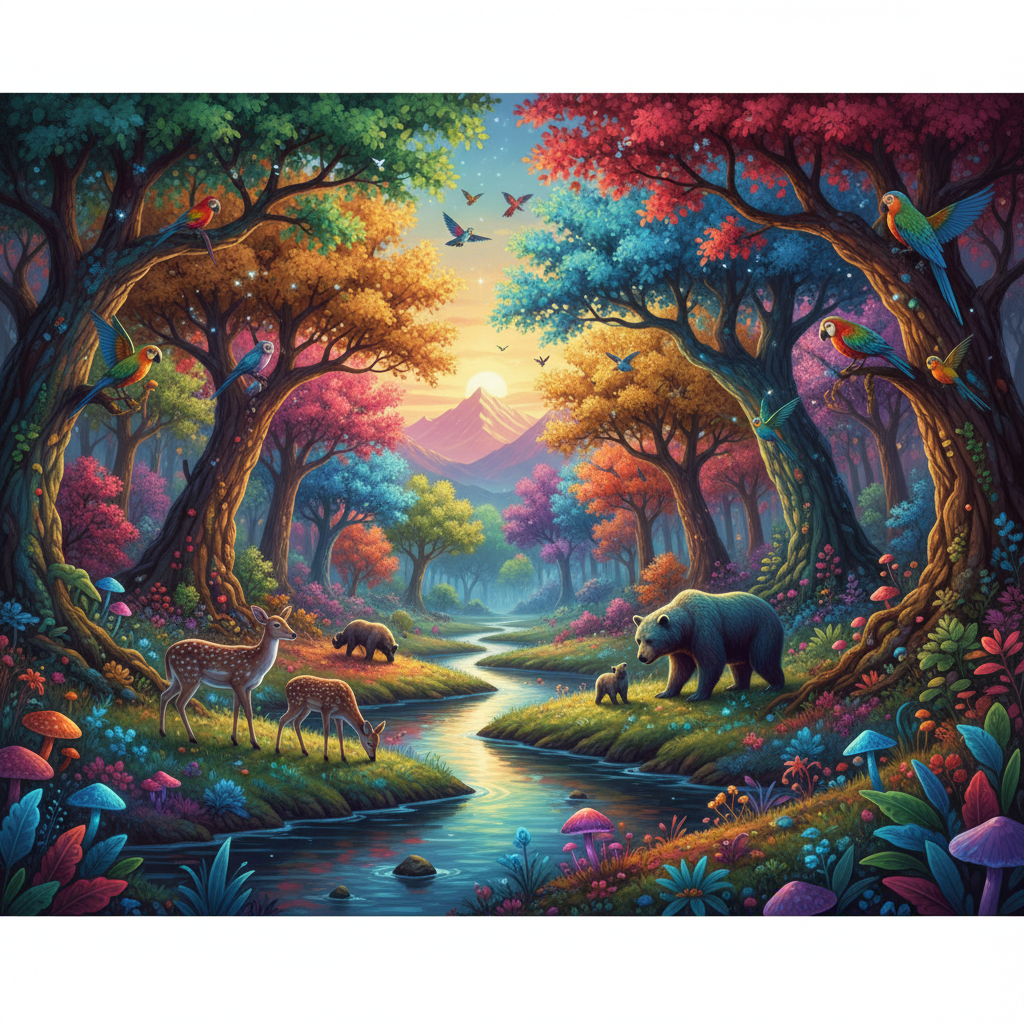 ⚠️ This picture may have spelling mistakes. Trust the words in the lesson.
Meet Some Wild Animal Friends!
Let's meet some of the most famous and fascinating wild animals. Each one is unique and wonderful!
- Lion: Roar! This is often called the "King of the Jungle," even though many lions live in grassy plains called savannas! A lion is like a super-sized, very strong kitty cat, but with a magnificent fluffy mane (that's the hair around its neck) if it's a male. They live in hot places and are very powerful hunters.
- Elephant: Wow, look at those ears! An elephant is the biggest animal that lives on land. It has a very long nose called a **trunk**, which it uses like a super flexible hand! It can pick up tiny leaves, spray water for a bath, or even give a gentle hug. It's like a living, walking, giant vacuum cleaner that can also spray water!
- Monkey: Up, up, up in the trees they go! Monkeys are very playful and love to swing from branch to branch with amazing speed. They are like busy little acrobats of the forest. They love to eat fruits, especially bananas!
- Zebra: Is it a horse in pajamas? Zebras look a lot like horses, but they have amazing black and white stripes all over their bodies! Each zebra's stripes are unique, just like your fingerprint is unique to you. They often live in big groups to stay safe.
- Giraffe: Whoa, how tall are you? Giraffes have super-long necks, which are like living, walking towers! This helps them eat tasty leaves from the very tops of tall trees that no other animal can reach. They also have long, bluish tongues!
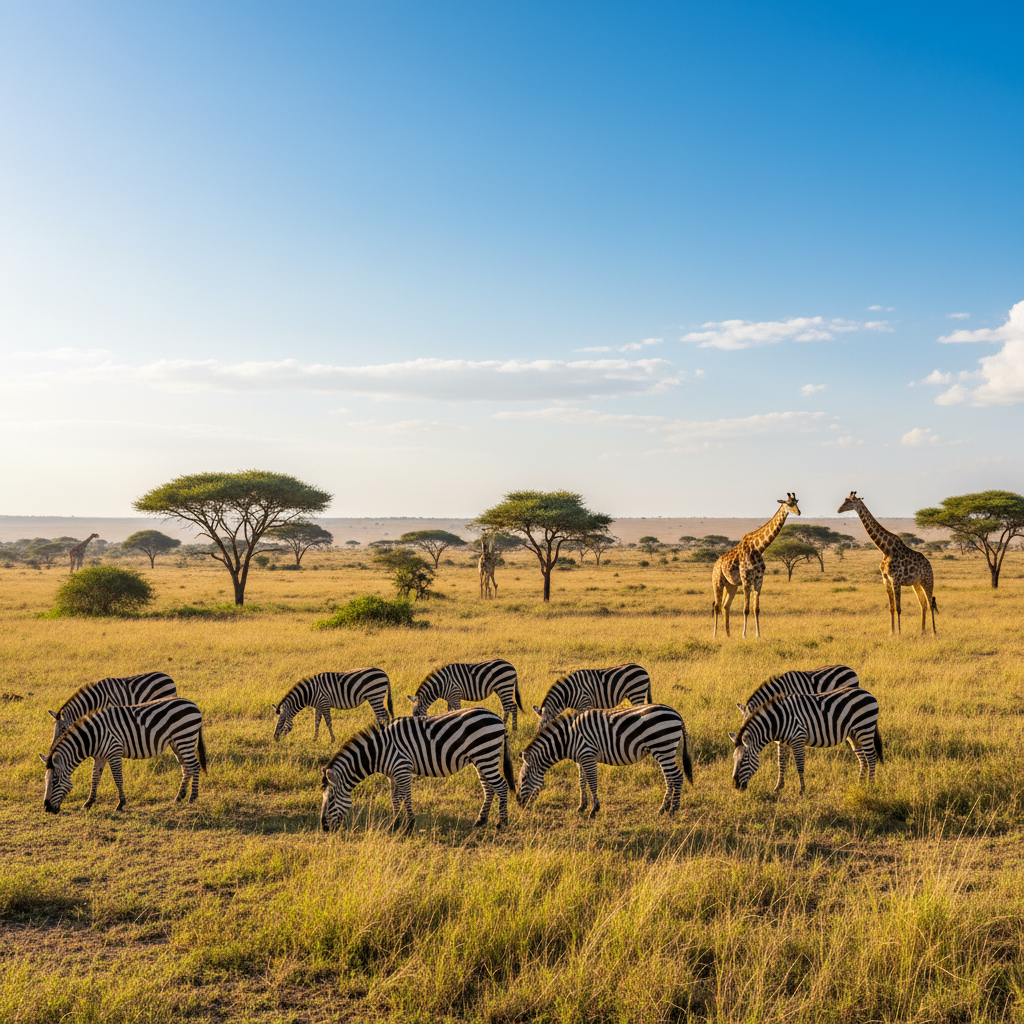 ⚠️ This picture may have spelling mistakes. Trust the words in the lesson.
- Tiger: Another big cat, but with amazing orange and black stripes! Tigers are very fast and strong. They are like a very big, speedy, striped hunter that loves to live in thick forests and can even swim very well.
- Bear: Big and furry! Bears love to eat berries, fish, and sometimes even honey (just like Winnie the Pooh!). Some bears are known for sleeping a lot during the cold winter months, a long sleep called hibernation. It's like they have a super long nap party every year!
- Fox: Look at that bushy tail! Foxes are clever animals, a bit like small, reddish-brown dogs. They are very good at finding food, like small mice or berries, and making their homes in hidden spots. They are known for being very smart and watchful.
Why Are Wild Animals Important?
Wild animals are super, super important for our planet, Earth! They are not just pretty to look at; they have special jobs to do:
- They help keep nature healthy and balanced. For example, some animals eat plants, and when they move around, they can help spread seeds to grow new plants. Others help keep the number of other animals from growing too big.
- They are part of Earth's big, beautiful **nature family**. Every animal, big or small, has a special place and a special job to do, helping our world stay healthy and amazing.
How Can We Help Wild Animals?
Even though wild animals live far away, we can still help them from right where we are!
- Don't litter! When we throw trash on the ground, it can accidentally hurt animals if they try to eat it or get tangled in it. Always put your trash in a bin!
- Be respectful! If you ever see a wild animal, remember to keep your distance. Never try to touch or feed it. Let them be wild and free in their own homes!
- Learn about them! The more we learn about these amazing creatures, the more we can understand how special they are and how to protect their homes and lives.
Wild animals are truly wonders of the world! By understanding them, we can help ensure they continue to thrive in their natural habitats for many, many years to come.
Keep learning, free
Create a free Syllabax account to unlock practice questions and games for this topic.
Visual Learning Enhanced! 🚀
To help you master this topic, we use Advanced Syllabax AI to generate detailed diagrams and visual models.
Note on Visuals: The AI sometimes makes spelling errors in image labels. Please refer to the lesson text for the correct terminology.