Uses of soil (Soil)
Watch this topic in 60 seconds
Free preview · Lesson 1
Understanding Uses of soil (Soil)
Unearthing the Wonders: The Many Uses of Soil!
Hello, young explorers! Today, we're going on an adventure to learn all about something that's right under our feet, everywhere we go: soil! You might think it's just plain old dirt, but soil is actually super special and incredibly important. Think of it like a superhero that has many different powers and jobs to do for our planet.
What is Soil? A Quick Peek!
Before we jump into what soil does, let's quickly understand what it is. Soil isn't just one thing; it's a mix of many things! It has tiny bits of rocks, sand, and clay (which are all broken-down pieces of bigger rocks). It also has something called humus, which is like the yummy food left behind by dead plants and animals. And guess what? There's water and air hiding in all those tiny spaces too! Imagine soil as a delicious fruit salad with many different ingredients all mixed together.
Use #1: The Plant's Best Friend – Helping Things Grow!
This is probably the most famous job of soil, and for good reason! Almost all the plants we see – from tiny blades of grass to giant trees – need soil to grow. Why? Let's break it down:
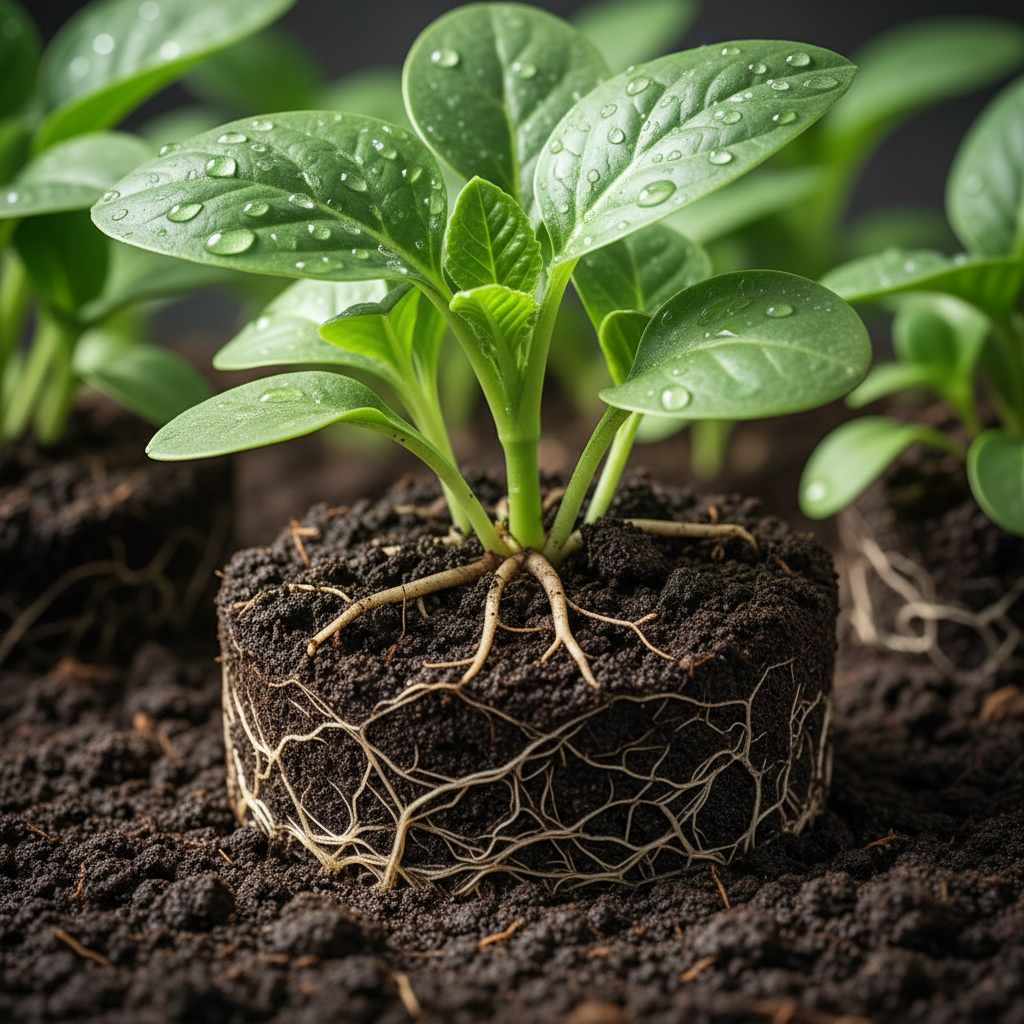
- A Sturdy Home: Imagine trying to stand up straight without your feet on the ground! Plants use their roots to hold onto the soil, which acts like a strong anchor. It keeps them from falling over, even on windy days. Think of soil as the solid floor of a plant's house, keeping it upright.
- A Delicious Meal: Just like you need food to grow big and strong, plants need food too! Soil is full of nutrients, especially from the humus we talked about. These nutrients are like vitamins and minerals for plants. Their roots soak up these nutrients from the soil, helping them grow healthy leaves, beautiful flowers, and tasty fruits. It's like soil is a giant pantry full of plant food!
- A Refreshing Drink: Plants also need water, and soil is brilliant at holding onto it. When it rains, the soil soaks up water like a giant sponge. Then, the plant's roots can drink this water whenever they need it. Without soil to hold the water, it would just wash away quickly, and plants would get very thirsty!
 ⚠️ This picture may have spelling mistakes. Trust the words in the lesson.
Use #2: A Cozy Home for Animals!
Soil isn't just for plants; it's also a bustling city for many amazing creatures, both big and small!
- Underground Architects: Think about earthworms. They spend their whole lives tunneling through the soil! These tunnels help to mix the soil and let air and water move through it better, which is good for plants. Moles, ants, and even some types of snakes and bugs also dig homes in the soil to stay safe from predators and bad weather. Imagine soil as a huge apartment building with thousands of rooms for different animals to live in.
- Tiny Helpers: Many creatures that are too small to see without a microscope, like bacteria and fungi, also live in the soil. These tiny helpers are super important because they break down dead leaves and animals, turning them back into those healthy nutrients that plants love. They are like the clean-up crew of the soil!
Use #3: Building Blocks for Humans!
Humans have been using soil for building things for thousands of years! It's one of our oldest building materials.
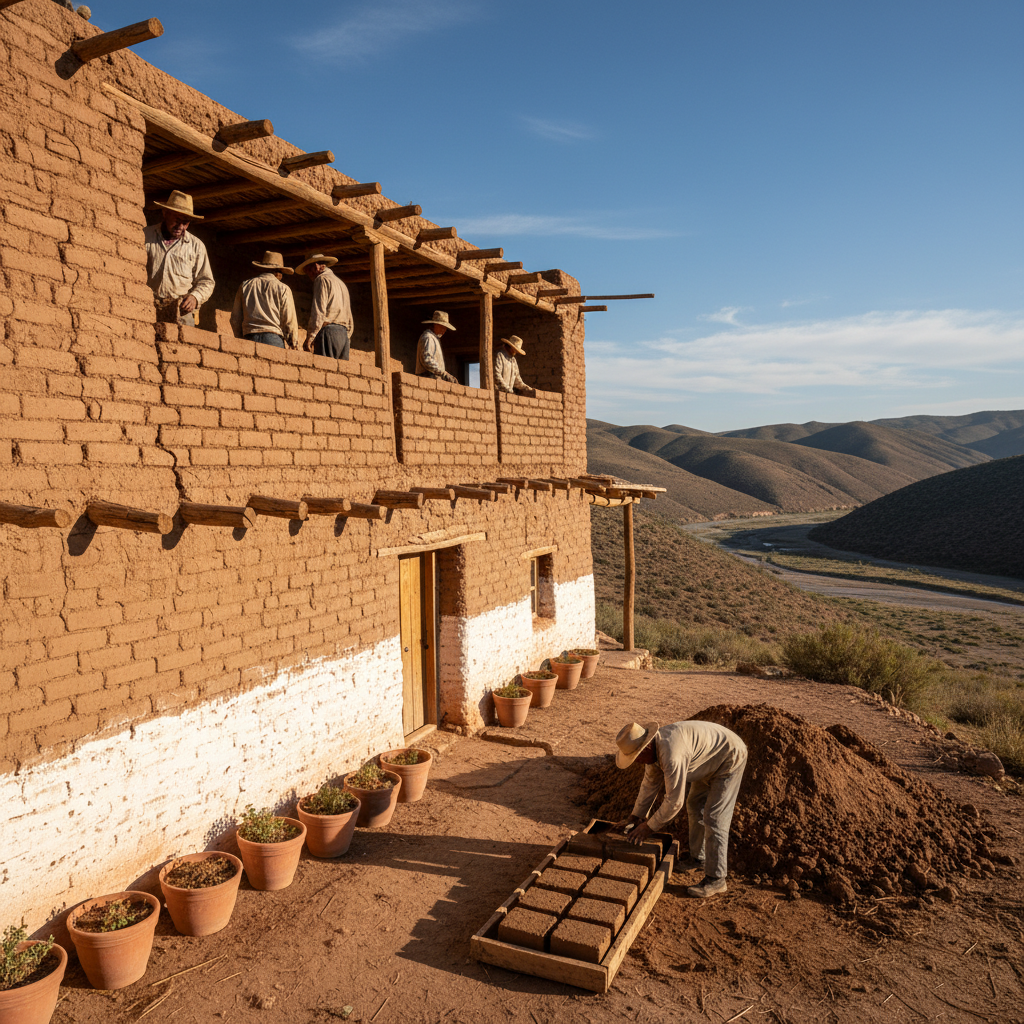
- Homes and Structures: In many parts of the world, people use soil mixed with water and straw to make bricks called adobe. These bricks are dried in the sun and used to build strong, cool houses. Even ancient pyramids were made using soil and other natural materials! Think of soil as nature's own giant box of LEGOs, ready to be shaped into amazing structures.
- Roads and Paths: The ground we walk and drive on is often covered with soil or materials like gravel that come from soil. Soil helps to create a stable base for roads, buildings, and even dams that hold back water.
Use #4: Nature's Water Filter!
Have you ever seen water trickle through a coffee filter? Soil does something similar, but even better!
- Cleaning Our Water: When rainwater falls and seeps into the ground, the soil acts like a giant, natural filter. As water moves through the different layers of soil, dirt, tiny bits of pollution, and germs get trapped. This helps to clean the water before it reaches underground rivers (called groundwater) or flows into lakes and streams. It's like soil is a giant Brita filter for the Earth!
Use #5: Storing Water Like a Sponge!
We already learned that soil holds water for plants, but it does more than that!
- Underground Reservoir: Soil can store huge amounts of water underground. This stored water is super important during dry seasons when there isn't much rain. Many people get their drinking water from wells that tap into this underground water stored in the soil and rocks beneath it. Think of the soil as a huge, underground water tank, keeping water safe for later.
Use #6: The Earth's Recycling Center!
Soil is amazing at recycling. It takes old, dead things and helps turn them into new, useful things.
- Breaking Down and Reusing: When leaves fall from trees, or an animal dies, the tiny creatures and fungi in the soil get to work. They break down these dead materials into simple nutrients. These nutrients then mix back into the soil, becoming food for new plants to grow. It’s like the soil is a magical recycling plant, turning garbage into gold (for plants!).
Why is All This Important?
As you can see, soil is much more than just dirt! It helps us grow our food, gives homes to animals, provides materials for building, cleans our water, and even recycles nature's waste. It's a vital part of our planet, and we need to take good care of it. So next time you see a patch of soil, remember all the incredible work it's doing!
Keep learning, free
Create a free Syllabax account to unlock practice questions and games for this topic.
Visual Learning Enhanced! 🚀
To help you master this topic, we use Advanced Syllabax AI to generate detailed diagrams and visual models.
Note on Visuals: The AI sometimes makes spelling errors in image labels. Please refer to the lesson text for the correct terminology.