Full/empty (Capacity)
Watch this topic in 60 seconds
Free preview · Lesson 1
Understanding Full/empty (Capacity)
Understanding Full and Empty: How Much Can Things Hold?
Welcome, young learners, to a fun adventure all about things that can be full or empty! Have you ever noticed how some things can hold a lot, and others can only hold a little? Today, we're going to explore this amazing idea called capacity. Capacity is like a container's superpower – it tells us how much of something (like water, juice, or even your toys!) it can hold inside.
What Does "Full" Mean?
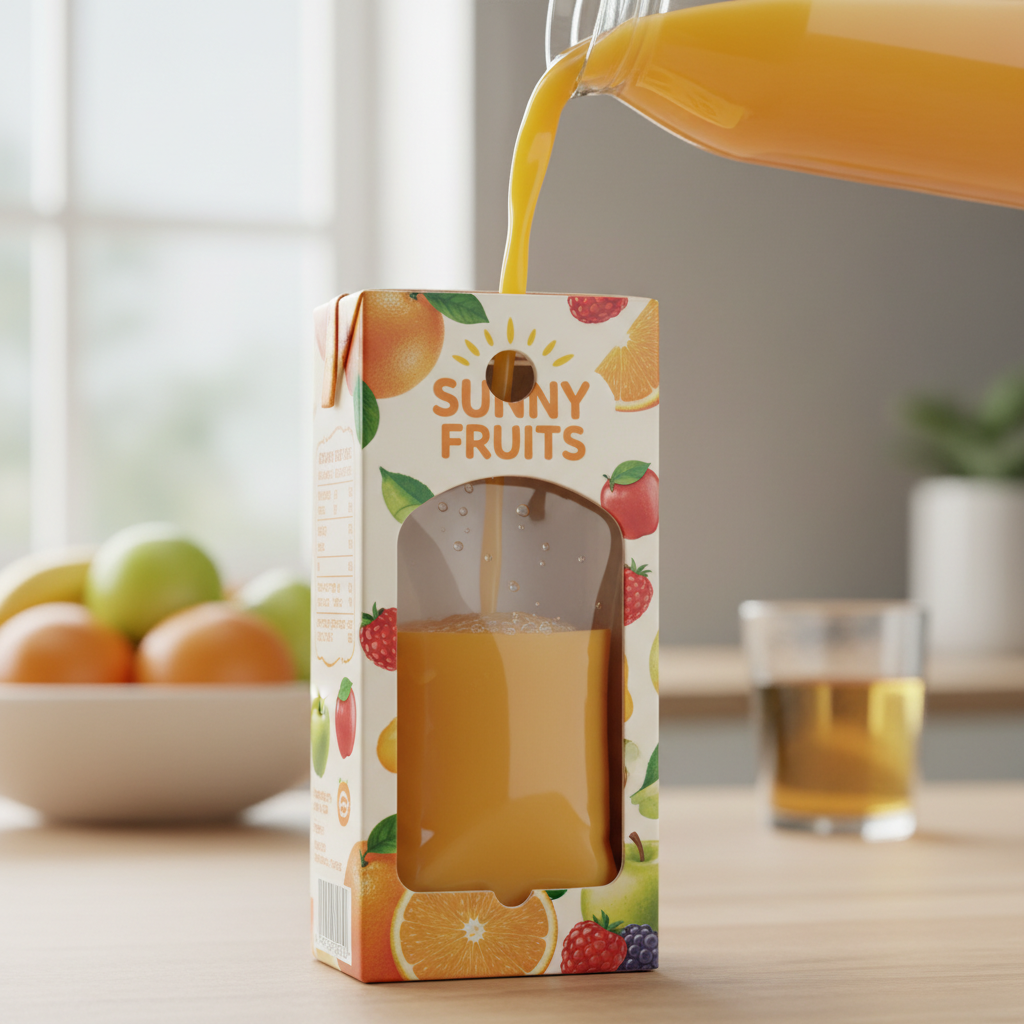
Imagine your favorite juice box. When you've poured almost all the juice out, but there's just a tiny bit left at the bottom, it's almost empty. But what happens when you fill it up all the way to the top with yummy juice? That's right, it's full!
Full means that a container has as much as it can hold. It's completely filled up! Think about your toy box. When you put all your teddy bears, cars, and building blocks inside until there's no more space, your toy box is full.
Here are some more examples of things that are full:
- A glass of milk at breakfast time.
- A bathtub filled with water for a bubble bath.
- A backpack stuffed with your books and lunch for school.
- A bucket at the beach filled with sand.
When something is full, it means it cannot hold any more. If you tried to pour more juice into that already full juice box, what would happen? It would spill over! That's a sign it's completely full.
What Does "Empty" Mean?
Now, let's think about the opposite of full: empty! What happens to your juice box after you drink all the juice? It's empty! There's nothing inside.
Empty means that a container has nothing in it. It's like a blank slate, ready to be filled with something new. Imagine your empty lunchbox before you put your yummy sandwich and apple inside. It's empty.
Here are some more examples of things that are empty:
- An empty water bottle after you've finished your drink.
- An empty cookie jar after all the cookies have been eaten (sad, but true!).
- An empty swing on the playground.
- An empty crayon box with no crayons inside.
When something is empty, it's ready for us to put something inside! It's like a waiting game. An empty cup is waiting for some delicious water or juice.
Introducing "Capacity": How Much Can It Hold?
Sometimes, things can hold a lot, and sometimes they can only hold a little. This idea of how much something can hold is called capacity. Capacity is like the maximum amount a container can hold when it's full.
Let's use an analogy! Imagine you have a tiny spoon and a big bucket. The tiny spoon has a very small capacity – it can only hold a little bit of water at a time. The big bucket has a much larger capacity – it can hold a lot more water!
Think about different cups. You might have a small cup for your medicine, a medium-sized cup for your milk, and a big mug for hot chocolate. Each of these cups has a different capacity. The tiny medicine cup has a small capacity, the milk cup has a medium capacity, and the hot chocolate mug has the largest capacity.
Capacity helps us understand how much we need to fill something up. If you want to fill a swimming pool, you'll need a lot more water than if you just want to fill a small kiddie pool. The swimming pool has a much bigger capacity!
 ⚠️ This picture may have spelling mistakes. Trust the words in the lesson.
Comparing Capacities: Big and Small
We can compare the capacity of different containers. Which one can hold more?
Imagine you have a small toy car and a big toy truck. Which one can hold more toy cars? The big toy truck can hold more, so it has a bigger capacity for toy cars.
Or think about watering plants. You might use a small watering can for a tiny flower in a pot. But if you have a whole garden, you might need a much bigger watering can, or even a hose, because the garden has a much larger capacity for water.
Almost Full and Almost Empty
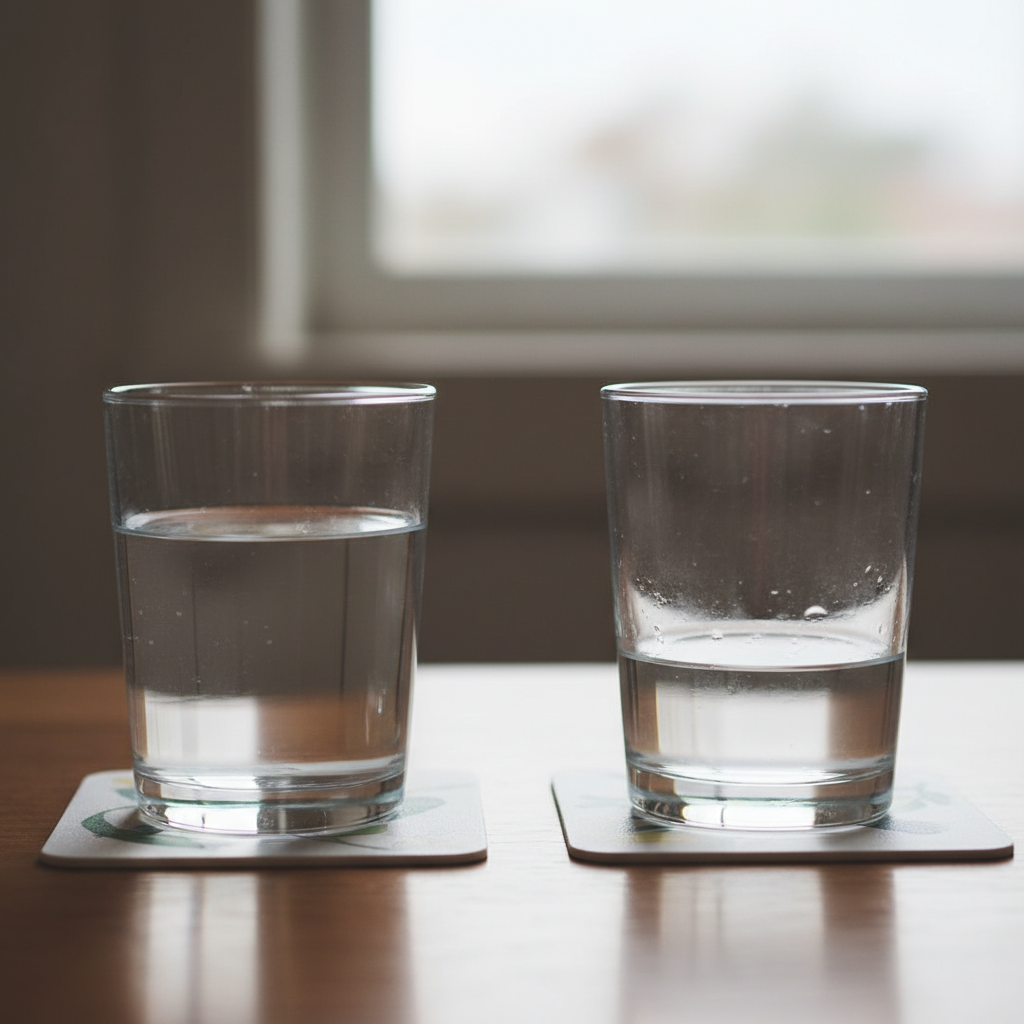
Sometimes, things are not completely full or completely empty. They can be almost full or almost empty.
If you have a glass of water and you've only taken one sip, it's almost empty. There's still a lot of water, but it's mostly gone.
If you have a bucket of sand and you've only taken a little bit out, it's almost full. There's still a lot of sand in it.
Think about your backpack. If you've packed most of your books and supplies, it's almost full. If you've just put in your pencil and eraser, it's almost empty.
Let's Practice!
Understanding full, empty, and capacity helps us in so many ways. When you're helping to set the table, you know to fill the glasses with water. When you're packing for a trip, you know how much your suitcase can hold (its capacity!). Keep looking around you, and you'll see examples of full, empty, and capacity everywhere!
Keep learning, free
Create a free Syllabax account to unlock practice questions and games for this topic.
Visual Learning Enhanced! 🚀
To help you master this topic, we use Advanced Syllabax AI to generate detailed diagrams and visual models.
Note on Visuals: The AI sometimes makes spelling errors in image labels. Please refer to the lesson text for the correct terminology.