Reading clocks (Time)
Watch this topic in 60 seconds
Free preview · Lesson 1
Understanding Reading clocks (Time)
Learning to Read Clocks: Your Amazing Time Adventure!
Hello, young adventurers! Today, we're going on an exciting journey to learn how to read clocks. Clocks are like magical tools that help us understand when things happen. They tell us when it's time to wake up, time to eat our yummy breakfast, time to play, and even time to go to bed. Imagine a day without knowing when to do things – it would be a big, jumbled mess! Clocks help us organize our day, just like organizing your toys makes your room tidy.
What is a Clock?
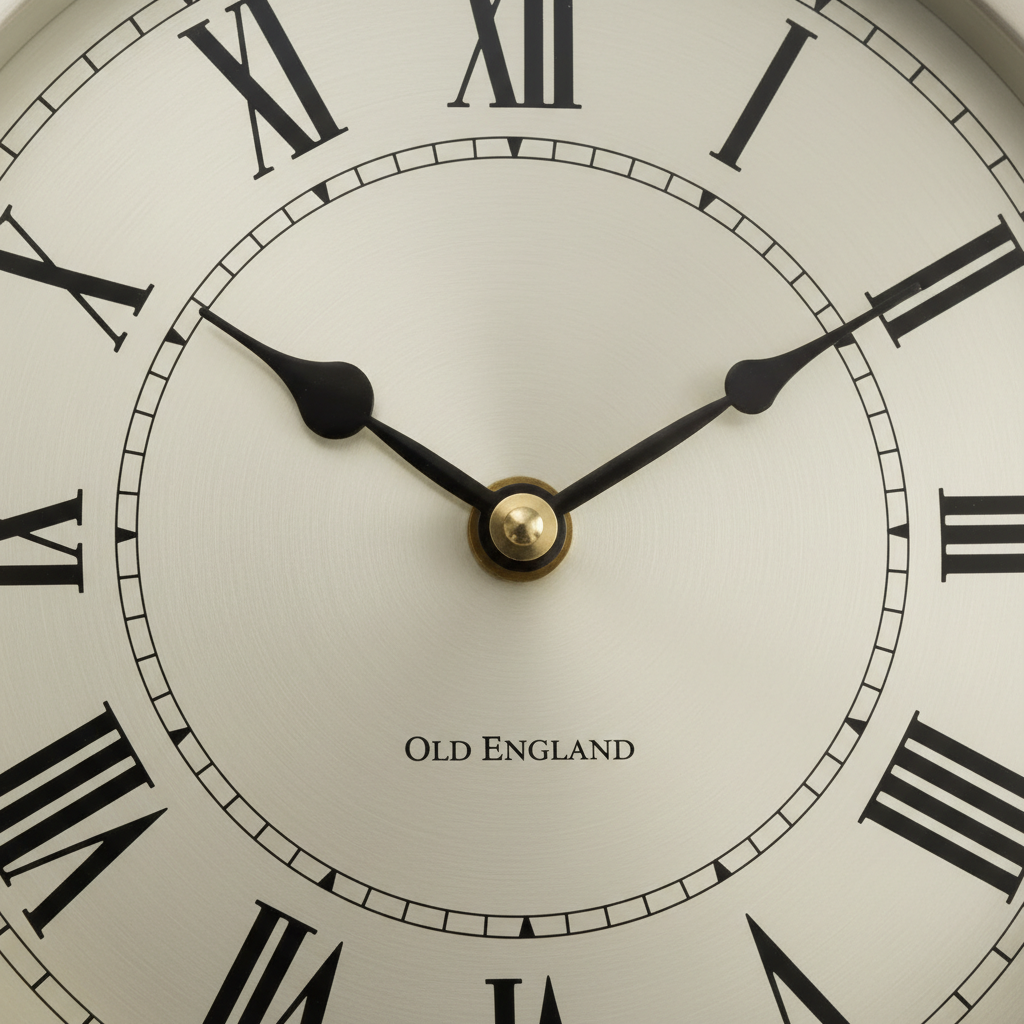
A clock is a special instrument that measures and shows time. Think of it like a circular map of our day. The most common type of clock we'll learn about today is an analog clock. An analog clock has a face, and on that face, there are numbers and hands that move.
The Clock Face: A Circle of Time
Look at the face of a clock. What do you see? You'll see numbers from 1 to 12. These numbers represent the hours of the day. Imagine the clock face is a pizza cut into 12 big slices. Each slice represents one hour. When the day is done, the numbers go around twice, making a whole 24-hour day. So, 7 o'clock in the morning is different from 7 o'clock in the evening!
The Hands of the Clock: Our Time Travelers
Analog clocks have hands that point to the numbers to tell us the time. There are usually two or three hands. The most important ones for us to learn about today are:
- The Hour Hand: This is the shorter, fatter hand. It moves the slowest. It tells us which hour it is. Think of it as the leader, slowly guiding us through the hours of the day. When the hour hand points directly at a number, it's that hour.
- The Minute Hand: This is the longer, skinnier hand. It moves faster than the hour hand. It tells us the minutes past the hour. Think of this hand as the speedy runner, counting every minute as it races around the clock face.
Sometimes, there's a third hand, which is very thin and moves the fastest. This is the second hand, and it counts the seconds. For now, we'll focus on the hour and minute hands to keep our time adventure simple!
Understanding Minutes: The Little Steps
The clock face has numbers from 1 to 12. But there are also little marks between each number. These little marks represent minutes. How many minutes are there? Between each number, there are 5 small marks. Since there are 12 numbers, and each space between them is 5 minutes, we can count by fives to figure out the minutes!
Here's how it works:
- When the minute hand points to the 1, it means 5 minutes past the hour (1 x 5 = 5).
- When it points to the 2, it means 10 minutes past the hour (2 x 5 = 10).
- When it points to the 3, it means 15 minutes past the hour (3 x 5 = 15).
- ...and so on!
When the minute hand points to the 12, it means 60 minutes have passed, and it's a new hour! We usually say it's "o'clock" when the minute hand is on the 12. So, if the hour hand is on the 3 and the minute hand is on the 12, it's 3 o'clock.
Putting It All Together: Reading the Time
Now, let's put our knowledge to work! To read the time on an analog clock, follow these steps:
- Look at the Hour Hand First: Find the shorter, fatter hand. See which number it is pointing to or has just passed. This tells you the hour. If it's between two numbers, it's still the earlier hour. For example, if it's between the 4 and the 5, it's still 4 o'clock something.
- Look at the Minute Hand Next: Find the longer, skinnier hand. See where it is pointing. Remember to count by fives for each number (1=5, 2=10, 3=15, etc.). If it's pointing to a number, multiply the number by 5. If it's pointing to one of the little marks between the numbers, count each little mark as 1 minute.
- Say the Time: Put the hour and the minutes together. For example, if the hour hand is near the 7 and the minute hand is pointing at the 3, the time is 7:15 (7 hours and 15 minutes). We often say "quarter past 7" when it's 15 minutes past the hour.
Special Times: Half Past and Quarter To
There are some special ways we talk about time:
- O'Clock: When the minute hand is on the 12, it's exactly that hour. (e.g., 8:00 is 8 o'clock).
- Half Past: When the minute hand is on the 6, it means 30 minutes have passed (6 x 5 = 30). We say "half past" the hour. So, if the hour hand is halfway between the 9 and the 10, and the minute hand is on the 6, it's half past 9, or 9:30.
- Quarter Past: When the minute hand is on the 3, it means 15 minutes have passed (3 x 5 = 15). We say "quarter past" the hour.
- Quarter To: When the minute hand is on the 9, it means 15 minutes are left until the next hour (9 x 5 = 45 minutes past, which is 15 minutes before the next hour). We say "quarter to" the next hour. So, if the hour hand is almost at the 10 and the minute hand is on the 9, it's quarter to 10, or 9:45.
Practice Makes Perfect!
Learning to read clocks is like learning to ride a bike. At first, it might seem a little tricky, but with practice, you'll become a time-telling pro! Keep looking at clocks around you – on the wall, on your watch, or even on a grown-up's phone. Try to tell the time throughout the day. You're doing great!
Keep learning, free
Create a free Syllabax account to unlock practice questions and games for this topic.
Visual Learning Enhanced! 🚀
To help you master this topic, we use Advanced Syllabax AI to generate detailed diagrams and visual models.
Note on Visuals: The AI sometimes makes spelling errors in image labels. Please refer to the lesson text for the correct terminology.