Sanitation[BIOLOGY]
Watch this topic in 60 seconds
Free preview · Lesson 1
Understanding Sanitation[BIOLOGY]
Sanitation: Keeping Our World Clean and Healthy
Welcome to our lesson on sanitation! Sanitation might sound like a big word, but it's all about something super important that we do every single day: keeping things clean to stay healthy. Think of it like being a superhero for cleanliness!
What is Sanitation?
Sanitation is the practice of preventing diseases by keeping our environment clean. It's like building a shield against tiny, invisible enemies called germs (like bacteria and viruses) that can make us sick.
Imagine your body is a castle. Germs are like little invaders trying to get in and cause trouble. Sanitation is like building strong walls, moats, and gates around your castle to keep those invaders out! These "walls" and "gates" are things like washing your hands, having clean water, and taking care of our waste.
Why is Sanitation So Important?
When we don't practice good sanitation, germs can spread easily. This can lead to many different illnesses, from a simple cold to more serious diseases. Good sanitation helps us:
- Prevent Sickness: By keeping germs away, we are less likely to get sick.
- Protect Our Communities: When everyone practices good sanitation, it helps protect everyone around us, especially those who might be more vulnerable, like babies or older people.
- Keep Our Environment Healthy: Proper sanitation also means dealing with our waste (like garbage and sewage) in a way that doesn't harm nature, like rivers and soil.
Key Components of Good Sanitation
Sanitation isn't just one thing; it's a whole system! Let's break down the main parts:
1. Personal Hygiene: Cleaning Ourselves
This is the most basic and personal part of sanitation. It's about keeping our own bodies clean. The most important tool we have here is our hands!
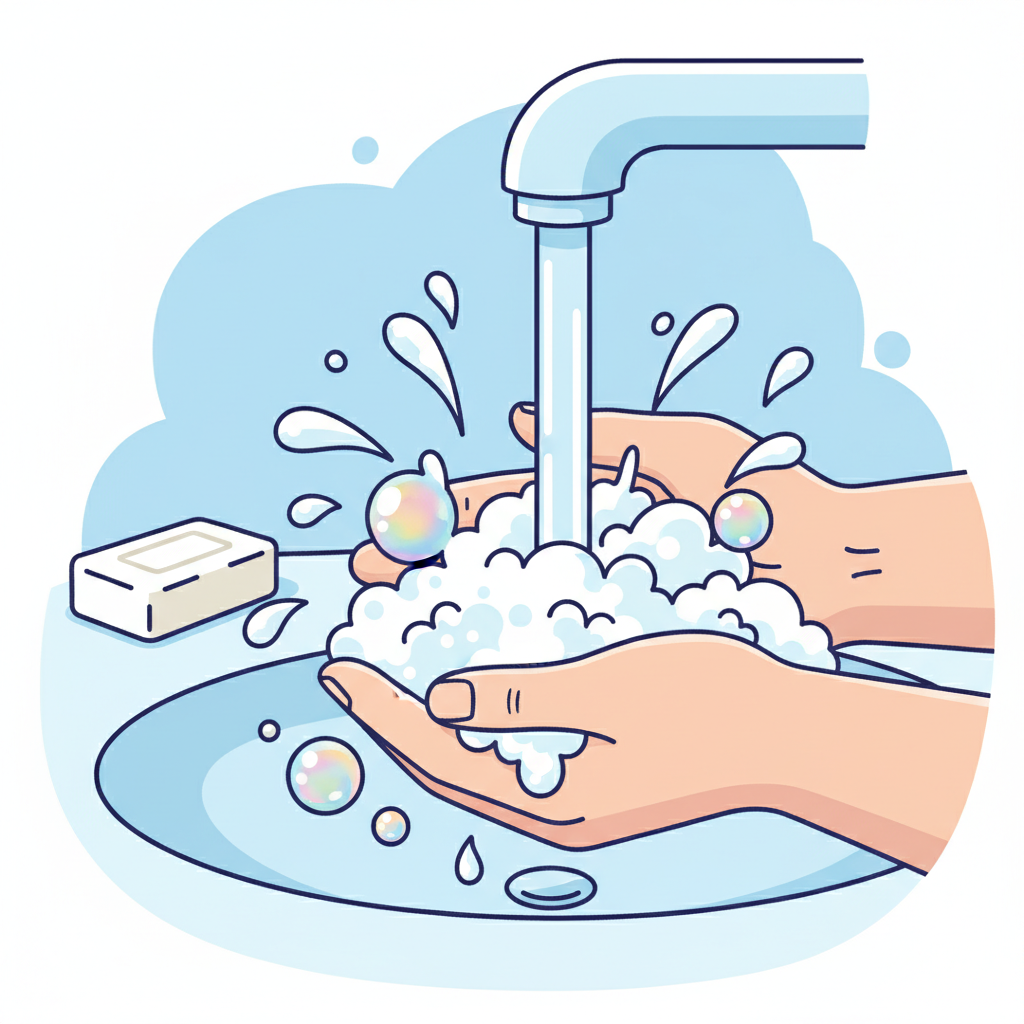
Handwashing: Think of your hands like little sponges that pick up germs from everything you touch – doorknobs, toys, pets, food. Washing your hands with soap and water is like washing away all those tiny invaders before they can get into your body through your mouth, nose, or eyes. It's the superhero move of the everyday!
Analogy: Imagine your hands are like a garden shovel. After digging in the dirt, you wouldn't want to then eat an apple with that same shovel, right? You'd wash it first! Our hands are similar; we need to clean them before eating or touching our faces.
Other Personal Hygiene Practices:
- Bathing regularly to wash away dirt and germs from our skin.
- Brushing our teeth to keep our mouths clean and prevent cavities.
- Keeping our nails clean and trimmed.
2. Safe Water: The Elixir of Life
Water is essential for life, but dirty water can be a big source of germs. Safe drinking water means water that is free from harmful contaminants. We need clean water for:
- Drinking
- Cooking
- Bathing and washing
Analogy: Imagine you have a special drink you love, but someone accidentally dropped a bit of mud into it. You wouldn't want to drink that muddy water, would you? Safe water is like that special drink, pure and clean, without any yucky stuff mixed in.
How we get safe water: Water treatment plants clean and purify water before it comes to our homes through pipes. In some places, people boil water or use special filters to make it safe.
3. Waste Disposal: Getting Rid of the Leftovers
Everything we use eventually becomes waste – think of leftover food, paper we've used, or even our body's waste (poop and pee). If we don't get rid of this waste properly, it can attract pests like flies and rats, which can carry germs and spread diseases. It can also pollute our environment.
Sewage Systems: In many towns and cities, we have underground pipes called sewage systems that carry our used water and waste away from our homes to special places where it can be treated and made safe before being released back into the environment. Think of it like a secret underground highway for waste!
Garbage Collection: We also have systems for collecting our trash (garbage). This garbage is then taken to landfills or recycling centers. Recycling is great because it means we can reuse some materials instead of just throwing them away.
Analogy: Imagine your room. If you leave your toys and clothes scattered everywhere, it becomes messy and hard to find things. Taking care of waste is like tidying up your room. You put things where they belong (trash cans, recycling bins) so your environment stays clean and safe.
4. Environmental Cleanliness: Keeping Our Surroundings Tidy
This part of sanitation is about keeping public places clean, like parks, streets, and schools. When public spaces are clean, it makes them more pleasant and healthier for everyone to use.
Analogy: Think of a playground. If the playground is full of trash and dirt, it's not much fun to play there, and it might even be dangerous. A clean playground is a happy and safe place! This applies to our whole community.
Examples: This includes things like:
- Putting litter in trash cans.
- Keeping public restrooms clean.
- Ensuring that drains are not blocked with garbage.
Sanitation and Our Health: The Connection
It's crucial to understand how sanitation directly impacts our health. When sanitation is poor, diseases like cholera, typhoid, and diarrhea can spread rapidly. These diseases are often caused by drinking contaminated water or eating food prepared with dirty hands or utensils.
Good sanitation acts as a barrier, stopping these diseases before they can even start. It's like having a bodyguard for your health!
What Can YOU Do to Help?
You are a vital part of the sanitation team! Here’s how you can be a sanitation superhero:
- Wash your hands often, especially before eating and after using the toilet.
- Use soap and water – it's the most effective way to get rid of germs.
- Don't litter! Always put your trash in the bin.
- Help keep your home and school clean by putting things away and cleaning up spills.
- Conserve water – using water wisely also helps our water systems work better.
By practicing good sanitation habits every day, you are not only protecting yourself but also helping to create a healthier and happier world for everyone!
Keep learning, free
Create a free Syllabax account to unlock practice questions and games for this topic.
Visual Learning Enhanced! 🚀
To help you master this topic, we use Advanced Syllabax AI to generate detailed diagrams and visual models.
Note on Visuals: The AI sometimes makes spelling errors in image labels. Please refer to the lesson text for the correct terminology.