Agriculture – Types, Cropping Patterns, Irrigation -Indian Geography
Watch this topic in 60 seconds
Free preview · Lesson 1
Agriculture – Types, Cropping Patterns, Irrigation -Indian Geography (Foundational)
Agriculture in India: A Foundation
Agriculture is the backbone of the Indian economy. It provides food for the nation and employment for a significant portion of the population. This lesson introduces the basic types of agriculture, cropping patterns, and irrigation methods prevalent in India.
Types of Agriculture
Agriculture in India can be broadly classified into several types, based on various factors like climate, irrigation, and purpose.
1. Subsistence Farming
This type of farming is practiced to meet the needs of the farmer's family. The landholding is usually small, and traditional methods are used. There are two subtypes:
- Intensive Subsistence Farming: Practiced in densely populated areas. Farmers cultivate small plots using simple tools and more labor. Rice is a common crop.
- Primitive Subsistence Farming: This includes shifting cultivation (also known as 'slash and burn' agriculture) and nomadic herding.
2. Commercial Farming
In this type of farming, crops are grown for sale in the market. Large landholdings, high doses of inputs like fertilizers, pesticides, and irrigation are used. Examples include:
- Commercial Grain Farming: Crops like wheat and maize are grown for commercial purposes.
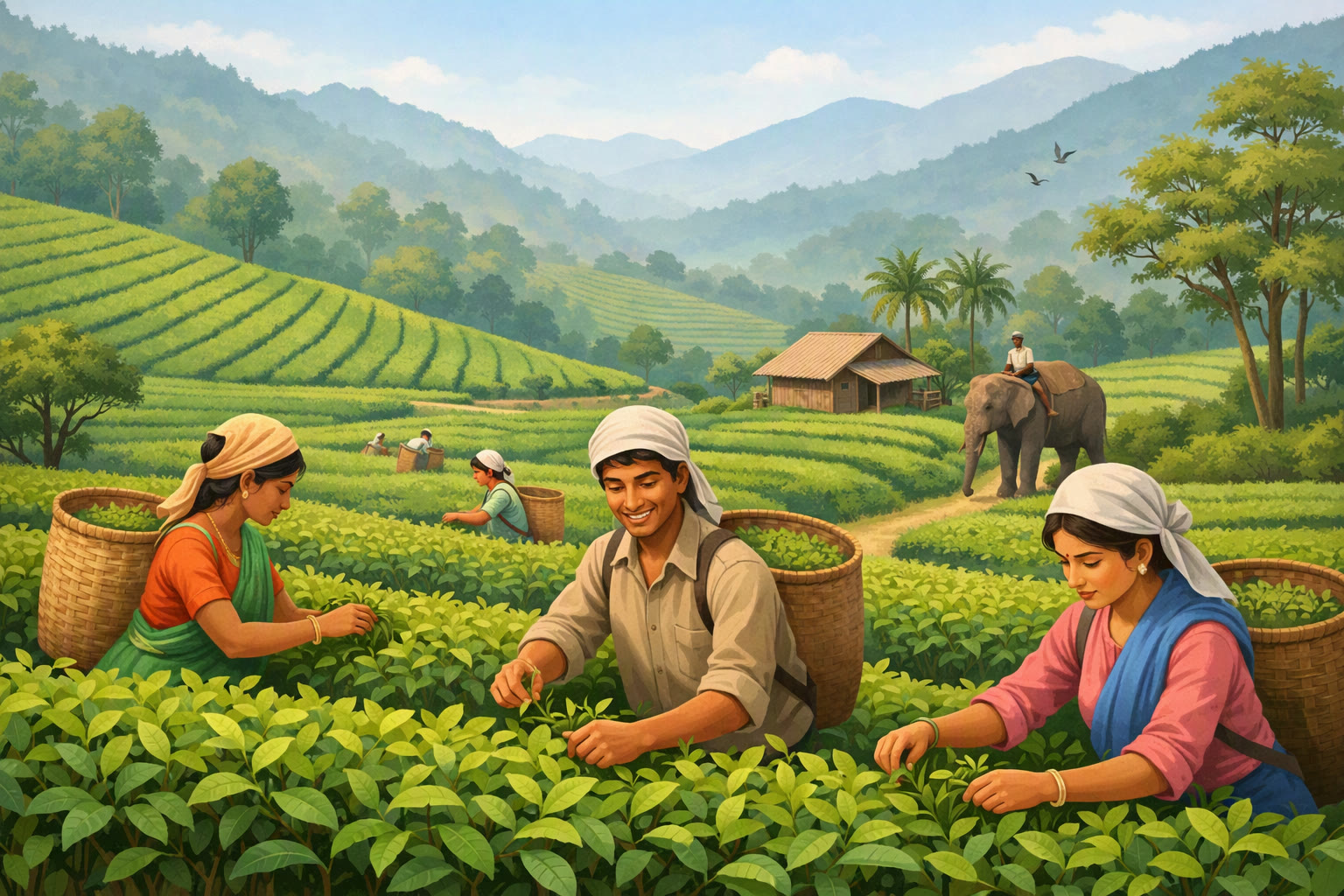
- Plantation Agriculture: A single crop is grown on a large area. Examples include tea, coffee, rubber, and spices.
Cropping Patterns
Cropping pattern refers to the proportion of area under various crops at a point of time. Some common cropping patterns in India are:
1. Kharif Crops
These crops are sown with the onset of the monsoon and harvested in September-October. Examples include rice, maize, jowar, bajra, tur (arhar), moong, urad, cotton, jute, groundnut, and soybean.
2. Rabi Crops
These crops are sown in winter from October to December and harvested in summer from April to June. Examples include wheat, barley, peas, gram, and mustard.
3. Zaid Crops
These crops are grown in the short season between the kharif and rabi seasons, during the summer months. Examples include watermelon, muskmelon, cucumber, vegetables, and fodder crops.
Irrigation
Irrigation is the artificial application of water to the soil for assisting in the production of crops. It is particularly important in areas with low rainfall or uneven distribution of rainfall.
Common Irrigation Methods in India
- Canals: Channels that carry water from rivers or reservoirs.
- Wells and Tubewells: Water is drawn from the ground using wells or tubewells.
- Tanks: Small reservoirs used to collect water for irrigation.
- Drip Irrigation: Water is delivered directly to the plant roots, minimizing water loss.
- Sprinkler Irrigation: Water is sprayed onto the field, similar to rainfall.
Keep learning, free
Create a free Syllabax account to unlock practice questions and games for this topic.
Visual Learning Enhanced! 🚀
To help you master this topic, we use Advanced Syllabax AI to generate detailed diagrams and visual models.
Note on Visuals: The AI sometimes makes spelling errors in image labels. Please refer to the lesson text for the correct terminology.