Rupees & paise (Money)
Watch this topic in 60 seconds
Free preview · Lesson 1
Understanding Rupees & paise (Money)
Understanding Rupees and Paise: Our Money!
Welcome, young learners, to the exciting world of money! Have you ever seen your parents buy groceries or a toy? They use money! In India, our money is called Rupees. And just like we have big and small pieces of a cake, we have big and small parts of our Rupee. The smaller part is called a Paisa. So, Rupees and Paise are like the two friends of our Indian money system!
What is a Rupee?
Imagine a big, shiny coin or a colorful paper note. That's a Rupee! It's the main unit of our money. When you go to buy something that costs a little more, like a storybook or a packet of biscuits, you usually pay with Rupees.
Analogy Time: The Rupee is like a whole pizza!
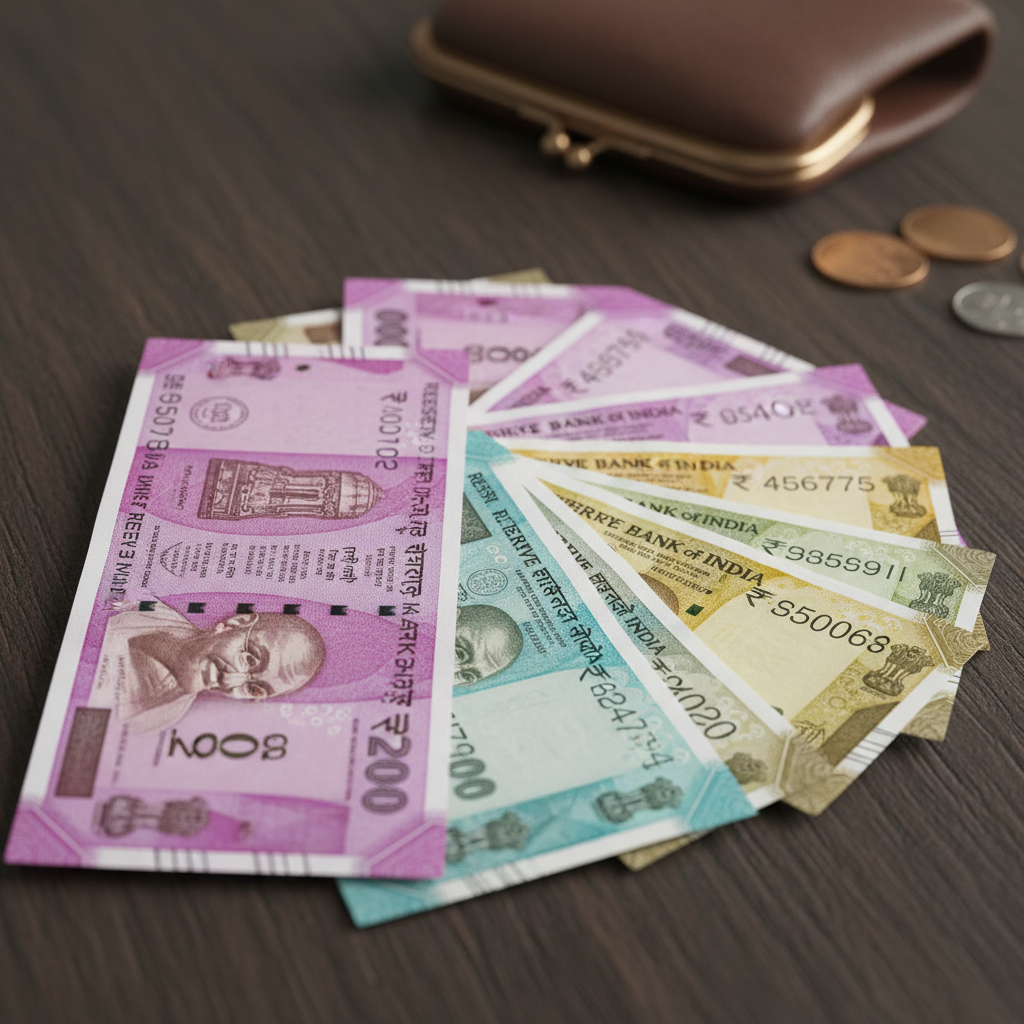
Think of a whole pizza. That's like one whole Rupee. You can eat the whole pizza, or you can share it in slices. Rupees are like that whole pizza – they represent a whole amount of money. We have different Rupee notes: ₹1, ₹2, ₹5, ₹10, ₹20, ₹50, ₹100, ₹200, ₹500, and ₹2000 (though ₹1000 and ₹2000 notes are less common now). We also have Rupee coins: ₹1, ₹2, ₹5, and ₹10.
What is a Paisa?
Now, what about Paise? Paise are much smaller than Rupees. Think of them as tiny little bits of money. A long time ago, we used Paise a lot for very small things, like buying a single candy or a small toy. But nowadays, you'll rarely see or use Paise. Most prices are now in Rupees.
Analogy Time: Paise are like pizza slices!
Remember our pizza? If a whole pizza is a Rupee, then a slice of that pizza is like a Paisa. You can cut a pizza into many, many slices. Similarly, a Rupee can be divided into smaller parts called Paise.
How Many Paise Make a Rupee?
This is a very important thing to remember! It's like a secret code for our money:
1 Rupee = 100 Paise
That's right! If you have 100 Paise, it's the same as having 1 Rupee. It's like having 100 tiny pizza slices that can be put together to make one whole pizza!
Another Analogy: Building Blocks!
Imagine you have small building blocks. Let's say each block is 1 Paisa. To build a tower that is 1 Rupee high, you would need to stack 100 of these small blocks! So, 100 small blocks (Paise) make one tall tower (Rupee).
Coins We See Today
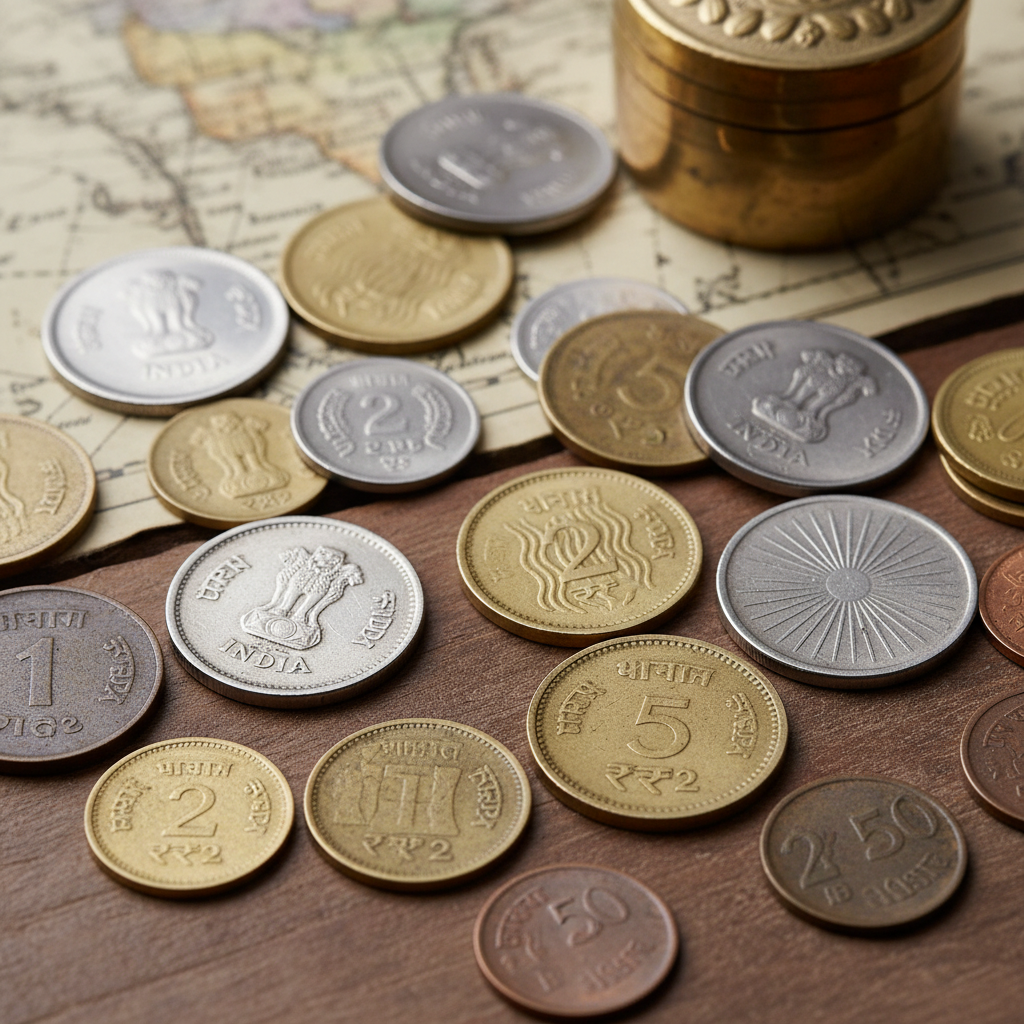
While Paise coins are not commonly used anymore, we still see many Rupee coins. You might have seen:
- ₹1 coin
- ₹2 coin
- ₹5 coin
- ₹10 coin
These coins are used for buying things that cost these exact amounts or to make change when buying something.
Notes We See Today
Rupee notes are the paper money. They come in different values, and they are very useful for buying things that cost more. Some common notes you might see are:
- ₹10 note
- ₹20 note
- ₹50 note
- ₹100 note
- ₹200 note
When you combine different notes and coins, you can make up larger amounts of money to buy many different things!
Why Do We Need Money?
Money is super important! We use it to:
- Buy things we need: Like food, clothes, and school supplies.
- Buy things we want: Like toys, books, and treats.
- Save for the future: You can keep some money aside to buy something bigger later!
Understanding Rupees and Paise helps us manage our money wisely. It helps us know how much things cost and how much money we have.
Let's Recap!
Remember these key ideas:
- Our Indian money is called Rupees.
- The smaller part of a Rupee is called Paise.
- 100 Paise = 1 Rupee.
- We use Rupee coins and notes for buying things.
- Money helps us get what we need and want!
Keep practicing and you'll become a money expert in no time!
Keep learning, free
Create a free Syllabax account to unlock practice questions and games for this topic.
Visual Learning Enhanced! 🚀
To help you master this topic, we use Advanced Syllabax AI to generate detailed diagrams and visual models.
Note on Visuals: The AI sometimes makes spelling errors in image labels. Please refer to the lesson text for the correct terminology.