Digital Citizenship & Ethics
Watch this topic in 60 seconds
Free preview · Lesson 1
Understanding Digital Citizenship & Ethics
Becoming a Super Digital Citizen: Navigating the Online World Responsibly (Grade 9, Foundational)
Imagine you live in a bustling, exciting new city called the 'Internet.' Just like in your real-world town or city, there are rules, expectations, and ways to be a good neighbor. This is what Digital Citizenship is all about! It's how we act, interact, and behave when we're online. It means understanding our rights and responsibilities, staying safe, and being respectful to others in the vast digital space.
Think of it like learning to drive a car. You need to know the traffic laws, how to operate the vehicle safely, and how to be considerate of other drivers on the road. Being a digital citizen is very similar – it’s about learning the ‘rules of the road’ for the internet so you can have a positive and safe journey.
Why is Digital Citizenship So Important?
- Safety First: Just like you wouldn't walk alone down a dark alley in real life, you need to know how to protect yourself from dangers online.
- Respect for Others: The internet connects billions of people. Learning to communicate kindly and respectfully prevents conflict and creates a better environment for everyone.
- Making Good Choices: Everything you do online leaves a 'digital footprint.' Understanding this helps you make smart decisions that protect your future reputation.
- Using Technology for Good: Digital citizens use their online skills to learn, create, connect, and even make the world a better place.
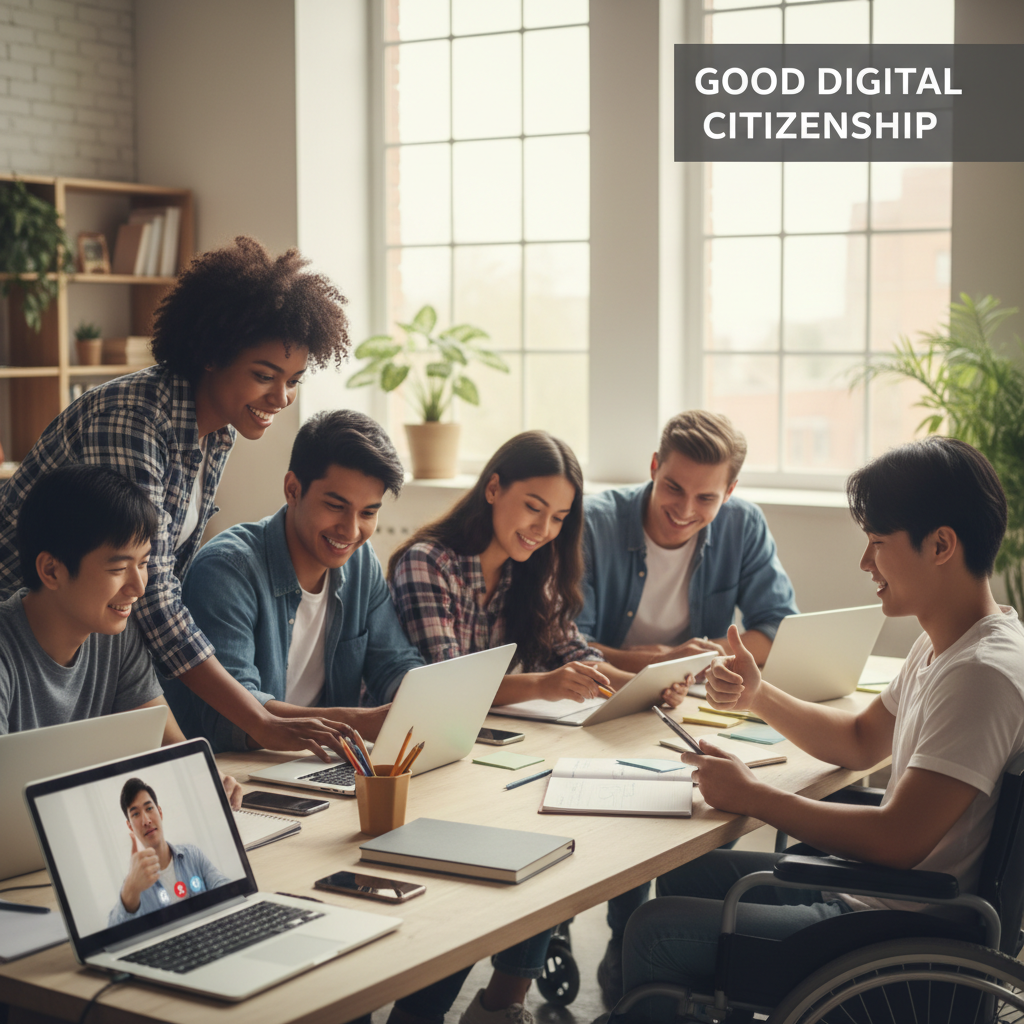
The Nine Pillars of Digital Citizenship: Your Online Rulebook
Digital citizenship is often broken down into nine key areas. Let's explore each one in simple terms with lots of analogies!
1. Digital Access: Everyone Gets a Ticket!
Definition: Digital access means that everyone should have equal opportunities to use technology and the internet. It's about making sure no one is left behind because they can't afford a computer or internet connection, or don't know how to use them.
Analogy: Imagine a public park. Digital access is like making sure everyone, regardless of their background or income, has a way to get to the park and enjoy its facilities. If some people can't get there because there are no roads, or they don't have a car, that's like a 'digital divide' – a gap between those who have access and those who don't.
Why it Matters: Access to technology is essential for school, jobs, and staying connected in today's world. Good digital citizens advocate for everyone to have this access.
2. Digital Commerce: Smart Shopping in the Online Mall
Definition: Digital commerce refers to buying and selling goods and services online. This includes online shopping, banking, and even donating to charities.
Analogy: Think of the internet as a gigantic shopping mall with millions of stores. Digital commerce is knowing how to shop safely in this mall. You wouldn't buy something from a sketchy vendor in a dark alley in real life, right? Online, this means checking for secure websites (look for 'https://' and a padlock symbol), reading reviews, and being aware of scams like fake websites or phishing emails that try to steal your credit card info.
Why it Matters: Protecting your money and personal information when transacting online is crucial to avoid fraud and identity theft.
3. Digital Communication: Talking Smartly in the Global Chatroom
Definition: Digital communication is the electronic exchange of information, ideas, and messages. This includes texting, emailing, social media, video calls, and online gaming chats.
Analogy: Imagine a huge, global party where everyone is talking at once! Digital communication is about knowing how to join the conversation politely and effectively. Just like you wouldn't shout in someone's face or interrupt them constantly in person, you need to be mindful of your tone, language, and audience online. Emojis and abbreviations are useful, but clarity and respect are key.
Why it Matters: Clear, respectful communication prevents misunderstandings and helps you build positive relationships online.
4. Digital Literacy: Being a Savvy Online Detective
Definition: Digital literacy is the ability to find, evaluate, create, and communicate information using technology. It's about knowing how to effectively use digital tools and critically assess what you find online.
Analogy: Think of it like being a detective. When you find information online, you don't just believe everything you see, right? Digital literacy means you have the skills to investigate: 'Is this source reliable?', 'Who wrote this?', 'Is this fact or opinion?', 'When was this published?'. It's also knowing how to use different apps, software, and platforms effectively for your needs.
Why it Matters: In a world filled with misinformation, being digitally literate helps you distinguish truth from fiction and become an informed decision-maker.
5. Digital Etiquette (Netiquette): Online Manners Matter!
Definition: Digital etiquette, often called 'netiquette,' refers to the conventional rules of polite behavior when using the internet. It's about being courteous and respectful in all your online interactions.
Analogy: Just like you have table manners for eating dinner or playground rules for playing games, netiquette provides 'good manners' for the online world. This means not typing in all caps (which looks like shouting), thinking before you post (would you say it to someone's face?), avoiding rude comments, and not 'trolling' (deliberately trying to upset people). Respecting others' privacy and opinions is also a big part of it.
Why it Matters: Good netiquette creates a positive and inclusive online environment for everyone and helps avoid unnecessary conflicts.
6. Digital Law: The Online Rulebook
Definition: Digital law covers the legal rights and restrictions governing technology use. This includes laws against cybercrime, copyright infringement, plagiarism, and illegal downloading.
Analogy: The internet might feel like a free-for-all, but it's not! Digital law is like the traffic laws and property laws in your real city. You can't just steal a car, nor can you steal someone else's music, movies, or written work online without permission. You can't hack into someone's account, spread harmful lies (defamation), or harass others online without facing legal consequences.
Why it Matters: Understanding digital law protects you from breaking the law and ensures you respect the intellectual property and privacy of others.
7. Digital Rights & Responsibilities: Your Online Freedom & Duties
Definition: Digital rights are the freedoms extended to everyone in the digital world (like freedom of speech). Digital responsibilities are the duties that come with those rights (like not using your freedom of speech to spread hate).
Analogy: Imagine you have the right to free speech in your real-world town, but you also have the responsibility not to shout 'fire!' in a crowded theater just for fun. Online, you have the right to express yourself, but you have the responsibility not to cyberbully, spread misinformation, or share others' private information without consent. You have a right to privacy, but also a responsibility to protect your own information and not invade others'.
Why it Matters: Balancing your rights with your responsibilities creates a fair and safe online space for everyone.
8. Digital Health & Wellness: Keeping Your Online Life Balanced
Definition: Digital health and wellness focuses on the physical and psychological well-being of individuals in the digital world. This includes managing screen time, avoiding addiction, and protecting your mental health.
Analogy: Just like eating healthy food and exercising keeps your body well, digital health and wellness is about making sure your online habits keep your mind and body healthy. Spending too much time glued to a screen can lead to eye strain, poor posture, sleep problems, and even feelings of anxiety or loneliness. It's like a balanced diet for your digital life – enjoying technology in moderation and taking breaks.
Why it Matters: Prioritizing your well-being helps you enjoy technology without it negatively impacting your physical or mental health.
9. Digital Security: Locking Your Digital Doors
Definition: Digital security refers to the electronic precautions to guarantee safety. This includes protecting your personal information, accounts, and devices from threats like viruses, hackers, and identity theft.
Analogy: Think of your computer, phone, and online accounts as your house. Digital security is like locking your doors, installing an alarm system, and not giving your keys to strangers. This means using strong, unique passwords, being wary of suspicious links (phishing), using antivirus software, and backing up your important files. You wouldn't leave your real front door wide open, so don't leave your digital doors unprotected!
Why it Matters: Strong digital security protects your privacy, your data, and your financial information from malicious attacks.
Conclusion: Your Role as a Good Digital Citizen
Being a good digital citizen isn't just about following rules; it's about being a thoughtful, responsible, and ethical member of the global online community. It means using technology wisely, contributing positively, and protecting yourself and others. As you continue to explore the vast and exciting world of the internet, remember these pillars, and strive to be a role model for safe, smart, and respectful digital behavior. Happy surfing, super digital citizen!
Keep learning, free
Create a free Syllabax account to unlock practice questions and games for this topic.
Visual Learning Enhanced! 🚀
To help you master this topic, we use Advanced Syllabax AI to generate detailed diagrams and visual models.
Note on Visuals: The AI sometimes makes spelling errors in image labels. Please refer to the lesson text for the correct terminology.