Bills & simple transactions [Money]
Watch this topic in 60 seconds
Free preview · Lesson 1
Understanding Bills & simple transactions [Money]
Understanding Bills and Simple Transactions: Your Money Adventure!
Welcome, young money experts, to a super exciting journey into the world of money! We're going to learn about something called "bills" and how we make "transactions." Don't worry, it's not as complicated as it sounds. Think of it like playing your favorite game – you need to know the rules to win, and knowing about money helps you manage it wisely!
What is a Bill? Your Money's To-Do List!
Imagine you borrowed a cool toy from a friend. Your friend might say, "Okay, you can play with it, but you need to give me back one of your yummy cookies tomorrow." That "one cookie" is like a bill. It’s a reminder that you OWE something.
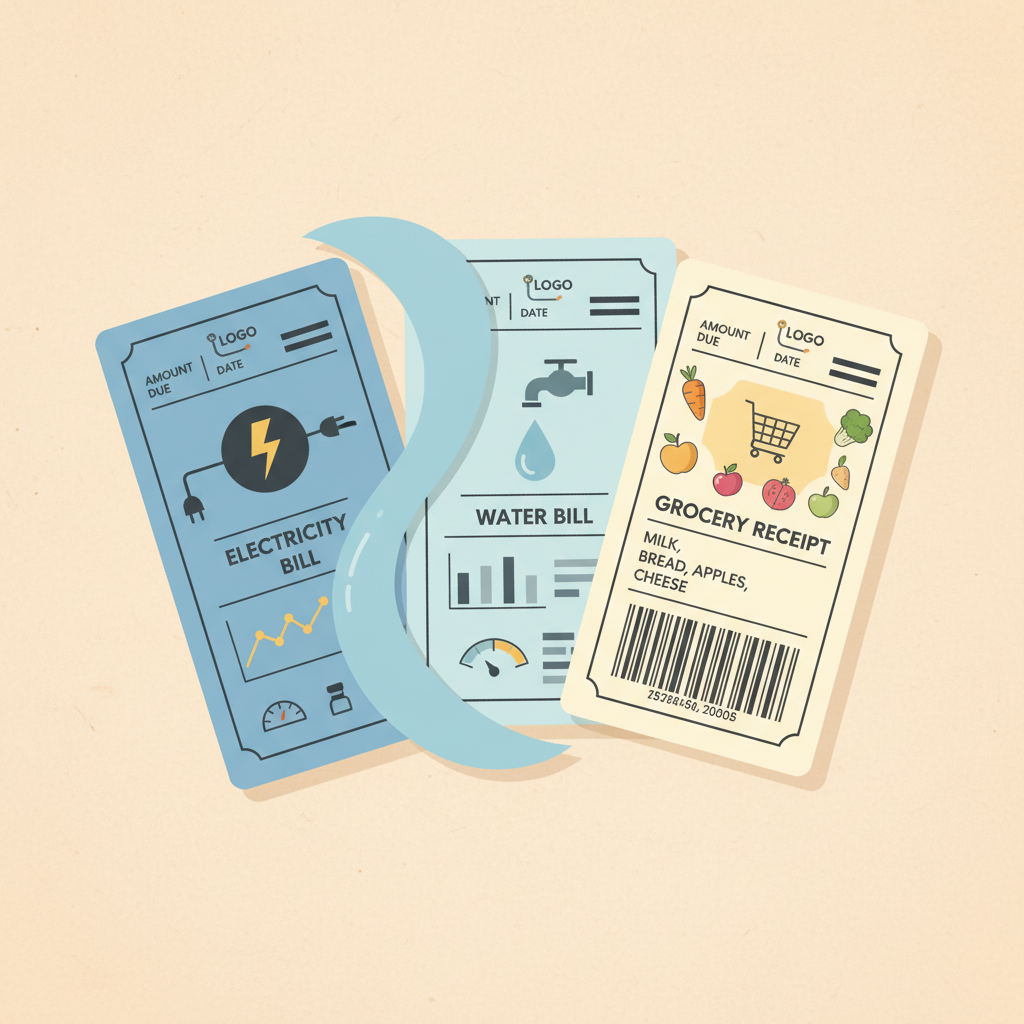
In the grown-up world, a bill is a piece of paper (or an electronic message) that tells you how much money you need to pay for something you've already used or received. It's like a receipt that says, "You used our electricity, now pay us!" or "You ate that delicious pizza, time to pay!"
Common Bills We See:
- Electricity Bill: This is for the power that lights up your house, runs your TV, and charges your gadgets. It's like paying for the sunbeams that come into your room, but for your house's lights!
- Water Bill: This is for the water you use to brush your teeth, take a bath, and drink. It’s like paying for all the water you splash around with!
- Phone Bill: If your family has a phone or internet, this is for using it to talk to people far away or to play games online. It’s like paying for the invisible magic that carries your voice and pictures.
- Grocery Bill: When your parents go to the store and buy food like milk, bread, and your favorite snacks, they get a grocery bill. It's the list of all the yummy things they bought.
- Rent/Mortgage Bill: This is for the place where you live, your house or apartment. It’s like paying the owner of the house so you can have a cozy place to sleep and play.
Bills are important because they help us keep track of what we owe. It's like having a scorecard in a game – you know how many points you need to get to win.
What is a Transaction? The Money Swap!
Now, let's talk about "transactions." A transaction is simply an exchange. It's when money moves from one person or place to another.
Think about buying an ice cream. You give the ice cream seller some money, and they give you an ice cream cone. That's a transaction! It’s a two-way street: money goes one way, and the item or service goes the other way.
Types of Transactions:
- Buying Something: This is the most common one! When you buy a toy, a book, or candy, you're doing a transaction. Your money goes to the store, and the item comes to you.
- Paying a Bill: When you pay your electricity bill, that's a transaction. Your money goes to the electricity company.
- Getting Paid: If you do chores and your parents give you allowance, that's a transaction too! Money comes to you.
- Depositing Money: When your family puts money into the bank, that's a transaction. Money moves into your bank account.
- Withdrawing Money: Taking money out of the bank is also a transaction. Money moves out of your bank account.
Every time money changes hands, it's a transaction. It’s like passing a ball in a game – the ball (money) is moving!
How Bills and Transactions Work Together
Bills and transactions are best friends! Here's how they team up:
- You use a service or get an item: Like using electricity for your lights or buying a new video game.
- You receive a bill: The company sends you a bill saying how much you owe.
- You make a transaction to pay the bill: You give them money (using cash, a card, or online) to pay what you owe.
So, the bill is the "what" and "how much," and the transaction is the "how" you pay it.
Simple Ways to Pay Bills (Transactions!)
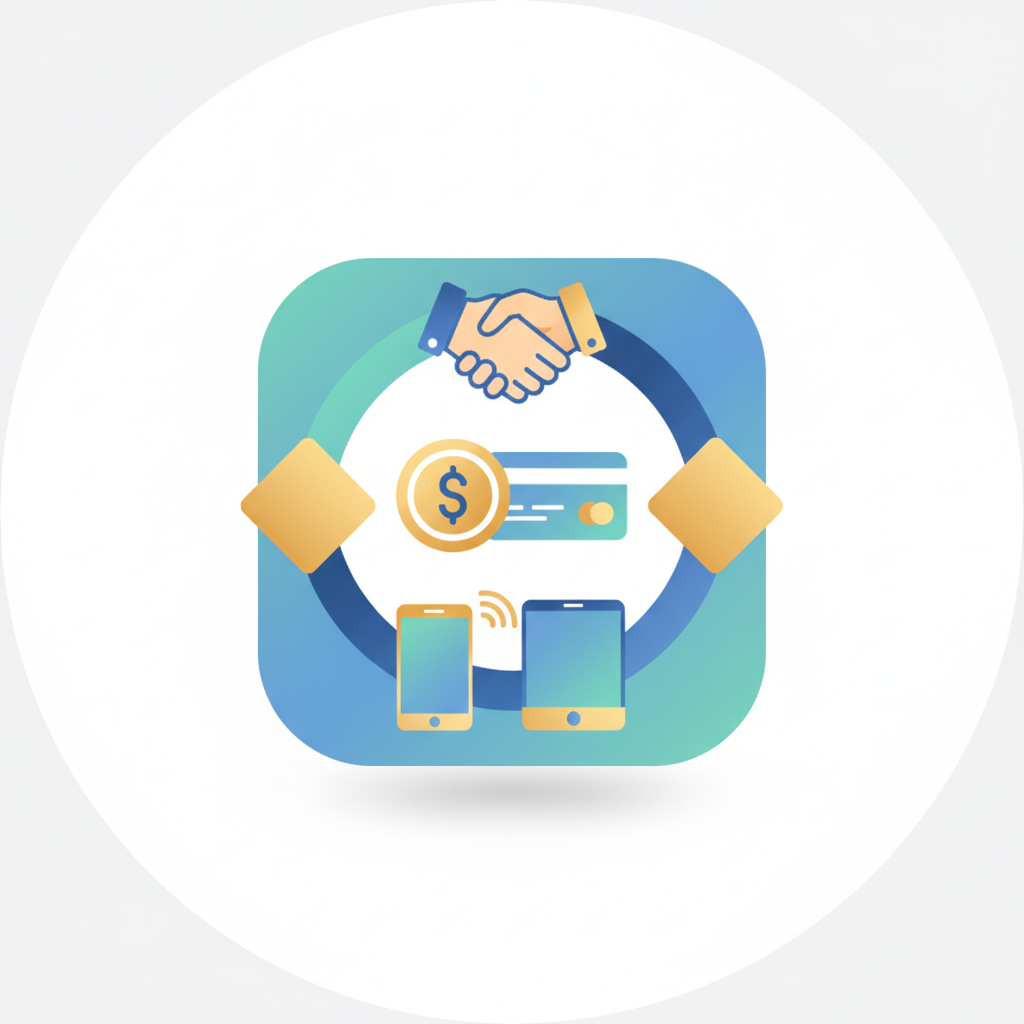
Grown-ups have different ways to make these money swaps happen:
- Cash: Using the actual physical money – coins and bills. It's like trading your cookies directly for the toy. Simple and you can see the money move!
- Checks: A piece of paper that tells the bank to give a certain amount of money from your account to someone else. It's like writing a promise note to the ice cream seller that your bank will give them the money.
- Debit Cards: When you use a debit card, the money comes straight out of your bank account. It's like using a magic card that instantly takes the money from your piggy bank (account) to pay for things.
- Credit Cards: This is a bit different. It's like borrowing money from the bank to pay for something now, and you promise to pay the bank back later. It's like your friend saying, "I'll pay for your ice cream now, and you pay me back next week." Be careful with this one!
- Online Payments: Using apps or websites to send money. It’s like sending a super-fast message to the company saying, "Here's my money!"
Why is This Important? Be a Money Whiz!
Understanding bills and transactions helps you become a money whiz! It means you can:
- Track your spending: Know where your money is going.
- Avoid late fees: Paying bills on time means you don't have to pay extra money. It’s like getting a bonus for being on time for your game!
- Save money: By managing your money well, you can save up for fun things you really want.
- Be responsible: It’s a key part of being a grown-up and taking care of yourself and your family.
So, remember, bills tell you what you owe, and transactions are how you pay! Keep practicing, and you'll be a money expert in no time!
Keep learning, free
Create a free Syllabax account to unlock practice questions and games for this topic.
Visual Learning Enhanced! 🚀
To help you master this topic, we use Advanced Syllabax AI to generate detailed diagrams and visual models.
Note on Visuals: The AI sometimes makes spelling errors in image labels. Please refer to the lesson text for the correct terminology.