Learning Journey
Watch this topic in 60 seconds
Free preview · Lesson 1
Understanding Expansion & contraction (basic)[CHEMISTRY]
Understanding Expansion and Contraction: A Journey into How Things Grow and Shrink!
Have you ever noticed how a bridge seems a little different on a hot summer day compared to a cold winter morning? Or how a balloon gets bigger when you blow it up and smaller when the air cools down? These are all examples of a fundamental concept in science called expansion and contraction. It's like things have a secret life where they grow and shrink!
What is Expansion?
Imagine you have a sleepy teddy bear. When it's cold, it might curl up tightly. But when it gets warm, it might stretch out its arms and legs, wanting to take up more space. Expansion is kind of like that, but for all sorts of materials, not just teddy bears!
Expansion is the process where a substance (like a solid, liquid, or gas) increases in size or volume when its temperature increases. Think of it as the particles (the tiny building blocks that make up everything) inside the substance getting more energy and starting to wiggle and jiggle more.
The Secret Life of Particles: Wiggling and Jiggling!
Everything around us is made of tiny, tiny pieces called particles. These particles are always moving, even if we can't see them! They might be vibrating in place, sliding past each other, or zooming around.
When you heat something up, you're giving these particles more energy. It's like giving them a super-charged espresso! With all this extra energy, they start to move faster and spread out more. Imagine a dance floor. When the music starts, everyone starts dancing and moving around, taking up more space. That's similar to how particles behave when they gain energy from heat.
Because the particles are moving more and taking up more space, the whole substance gets bigger. This is expansion!
Expansion in Solids: A Little Stretch
Solids, like a metal spoon or a wooden table, are made of particles that are packed quite closely together. Even though they are close, they still vibrate. When heated, these vibrations become more energetic, and the particles push away from each other slightly. This causes the solid to expand, usually by a very small amount.
Analogy: A Line of Soldiers Standing at Attention. Imagine a line of soldiers standing very close together, perfectly still. When they get an order to 'at ease,' they might take a small step back from each other and relax their shoulders. This makes the line of soldiers a tiny bit longer. That's like how a solid expands – the particles 'relax' and take up a little more room.
This is why bridges have small gaps at the ends. On hot days, the metal of the bridge expands, and these gaps give it room to grow without buckling!
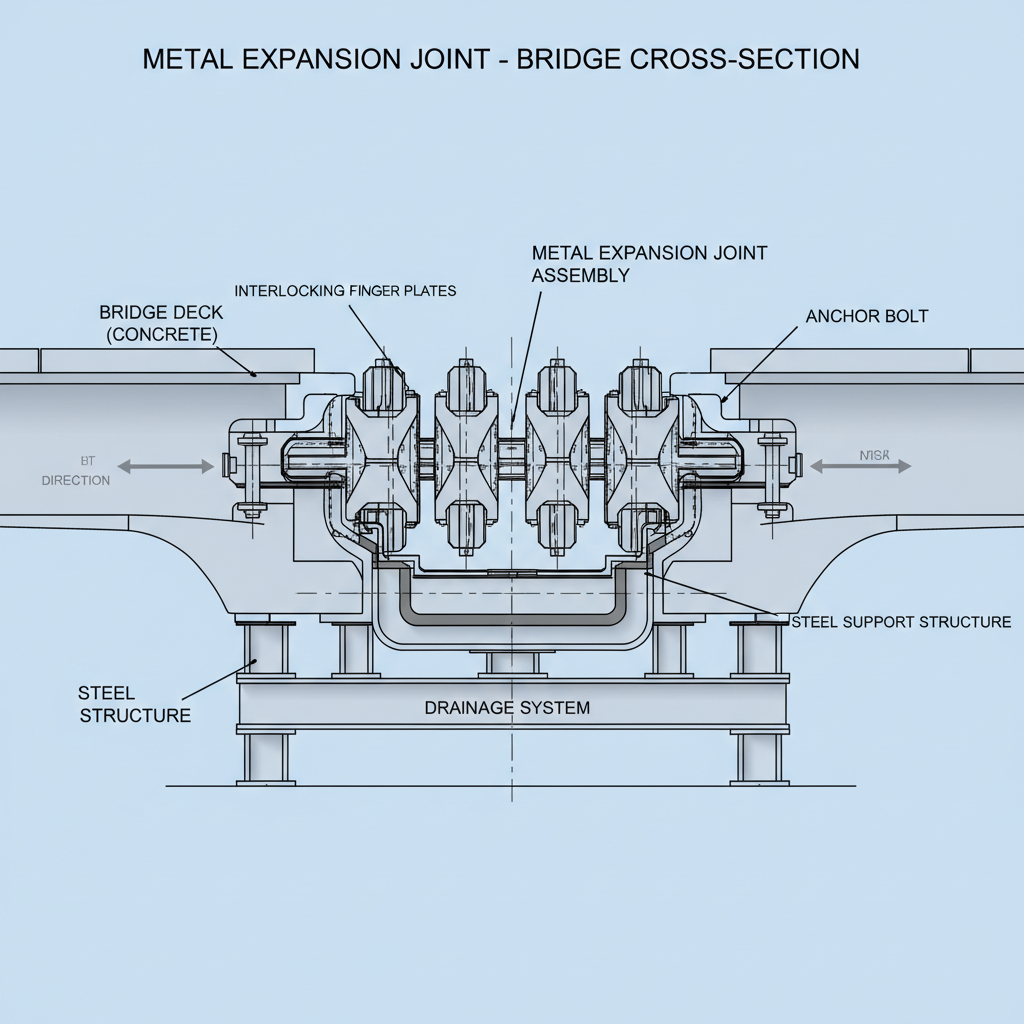 ⚠️ This picture may have spelling mistakes. Trust the words in the lesson.
Expansion in Liquids: More Flowy
Liquids, like water or juice, have particles that are not packed as tightly as solids. They can slide past each other, which is why liquids can flow. When you heat a liquid, its particles get even more energy, move faster, and spread out more than in solids. This causes the liquid to expand more noticeably than most solids.
Analogy: A Crowd at a Concert. Think about a crowd of people at a concert. When the music is slow, people might stand close together. But when the band plays a fast, exciting song, everyone starts jumping, dancing, and moving around, and the crowd spreads out to fill more of the space. Liquids behave similarly when heated – the particles get excited and spread out.
This is why a thermometer works! The liquid inside (usually mercury or alcohol) expands when it gets warmer, and the level rises up the narrow tube, showing you the temperature.
Expansion in Gases: The Big Jump!
Gases, like the air we breathe or the helium in a balloon, have particles that are already very far apart and moving extremely fast. When you heat a gas, its particles gain a lot of energy and zoom around even faster, spreading out dramatically. Gases expand the most when heated compared to the same amount of solid or liquid.
Analogy: Bouncy Balls in a Room. Imagine a room full of bouncy balls. If they are cold, they might just gently bounce around. But if you start warming them up, they get super bouncy and energetic, bouncing off the walls and each other, filling the entire room with their chaotic movement. Gases are like that – super energetic and spreading out everywhere!
This is why a hot air balloon rises. The air inside the balloon is heated, causing it to expand and become less dense than the cooler air outside. The lighter, expanded air makes the balloon float upwards.
What is Contraction?
Now, let's talk about the opposite of expansion: contraction. If expansion is about growing bigger, contraction is about shrinking smaller.
Contraction is the process where a substance decreases in size or volume when its temperature decreases. When things get cold, the particles inside them lose energy. They slow down, get closer together, and take up less space.
The Slowing Down of Particles
When you cool something down, you're taking energy away from its particles. It's like turning down the music at the dance. The dancers start to slow down and move closer together.
Because the particles are moving less and are closer together, the whole substance gets smaller. This is contraction!
Contraction in Solids: A Little Squeeze
Just like solids expand, they also contract when cooled. The particles slow down their vibrations, move closer, and the solid shrinks.
Analogy: Soldiers Marching in Formation. Remember the soldiers? When they get the order to 'close ranks,' they move closer together, making the line shorter. Solids contract in a similar way when cooled.
Contraction in Liquids: Less Flowy
Liquids also contract when cooled. The particles slow down, slide past each other less easily, and move closer together, causing the liquid to take up less space.
Analogy: People Huddling Together in the Cold. Imagine people outside on a cold day. They might stand closer together to share warmth and conserve energy. Liquids contract when cooled, with their particles getting closer.
Contraction in Gases: Calmer and Closer
Gases contract significantly when cooled. The particles lose energy, move slower, and come much closer together, making the gas take up less volume.
Analogy: Bouncy Balls at Rest. If the bouncy balls in the room get cold, they stop bouncing so much and might settle down closer together on the floor. Gases contract when cooled, with their particles becoming less energetic and more clustered.
Why is This Important?
Understanding expansion and contraction is crucial in many areas:
- Engineering: Bridges, buildings, and railway tracks are designed with expansion and contraction in mind to prevent damage.
- Thermometers: They rely on the expansion and contraction of liquids to measure temperature.
- Cooking: Sometimes recipes require ingredients to expand or contract.
- Everyday Life: It helps explain why jar lids can be hard to open (they've contracted onto the jar) or why sidewalks have gaps.
So, the next time you see a bridge or a balloon, remember the amazing science of expansion and contraction happening right before your eyes!
Keep learning, free
Create a free Syllabax account to unlock practice questions and games for this topic.
Visual Learning Enhanced! 🚀
To help you master this topic, we use Advanced Syllabax AI to generate detailed diagrams and visual models.
Note on Visuals: The AI sometimes makes spelling errors in image labels. Please refer to the lesson text for the correct terminology.