Learning Journey
Watch this topic in 60 seconds
Free preview · Lesson 1
Understanding Sources of light (Light)
Let There Be Light! Understanding Sources of Light
Hello, young explorers! Today, we're going on an exciting journey to discover where all the light around us comes from. Imagine a world without light. It would be super dark, right? We wouldn't be able to see our toys, our friends, or even the yummy food on our plates! Light is super important because it helps us see everything around us.
What is a Source of Light?
Think of it like this: a "source" is where something comes from. So, a "source of light" is anything that makes its own light. It's like a magical machine that glows! Some things just reflect light, like a mirror or the moon, but they don't *make* their own light. We're talking about things that are naturally bright all by themselves.
Two Big Families of Light Sources
Just like how your family might have different members, sources of light also come from two main families:
- Natural Sources: These are light sources that Earth and nature give us. They are not made by people.
- Artificial (Man-made) Sources: These are light sources that people have invented and built to help us see better, especially when it's dark.
Family 1: Natural Sources of Light (Nature's Own Flashlights!)
These are the light sources that are found in nature, without any help from humans. They've been around for millions of years!
1. The Sun: Our Giant Sky Lamp!
The biggest and most important natural source of light for us on Earth is the Sun! It's like a giant, super-powerful light bulb in the sky. The Sun gives us light every day, helping plants grow and keeping us warm. It's so bright that we should never look directly at it, just like you wouldn't stare directly into a bright flashlight!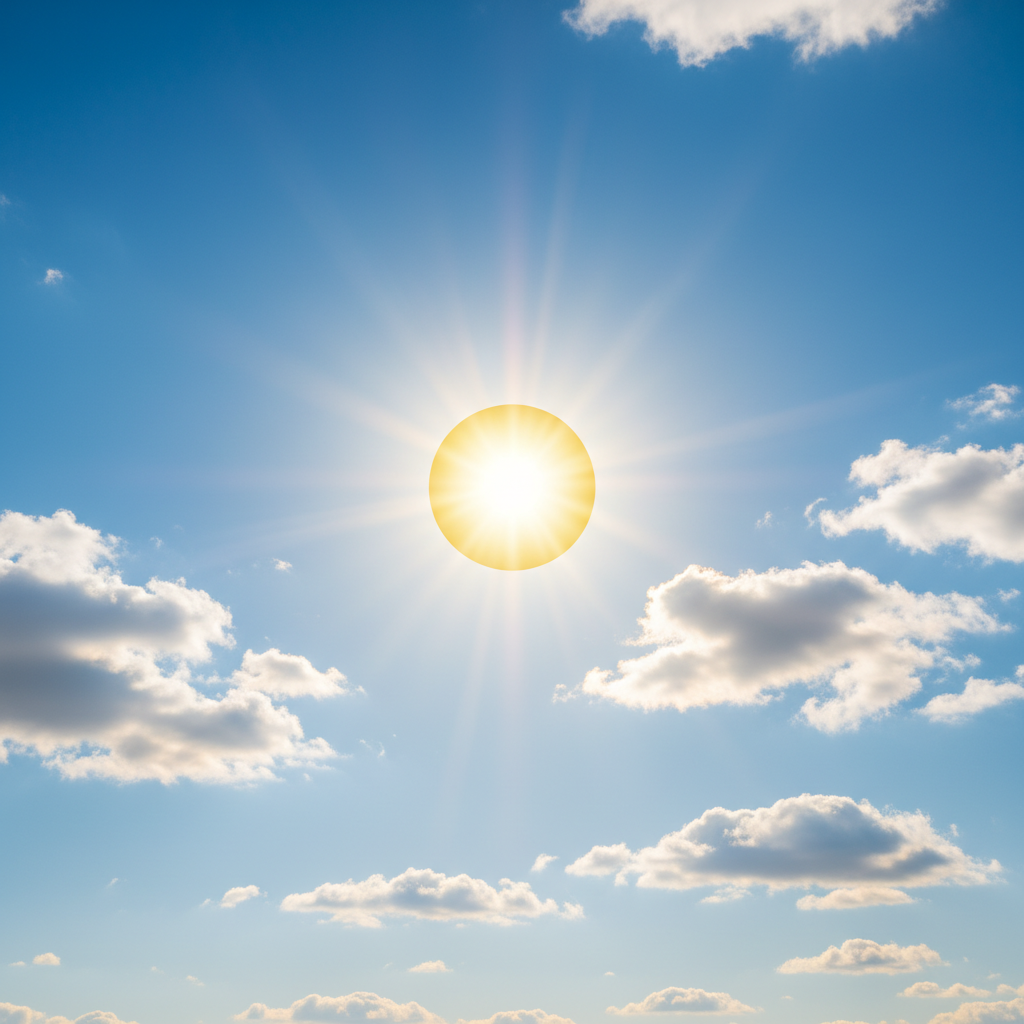 ⚠️ This picture may have spelling mistakes. Trust the words in the lesson.
2. Stars: Twinkling Diamonds in the Night!
Have you ever looked up at the night sky and seen thousands of tiny, twinkling lights? Those are stars! Each star is like a very, very far-away sun, making its own light. They look tiny to us because they are so incredibly far away, but they are actually huge, just like our Sun!
3. Lightning: Nature's Quick Flash!
During a big thunderstorm, sometimes you see a sudden, very bright flash of light across the sky. That's lightning! It's a natural burst of electricity that makes light for just a moment. It's amazing to watch from a safe distance, but it's also very powerful.
4. Fireflies: Little Living Lamps!
In some places, especially on warm summer nights, you might see tiny bugs that glow! These are fireflies, and they make their own light in their bodies. It's like they have tiny, built-in flashlights! They use their light to talk to other fireflies.
5. Volcanoes: Fiery Earth Glow!
When a volcano erupts, molten rock called lava flows out. This lava is super-hot and glows with its own bright, orange-red light. It's a powerful and dangerous natural light source.
Family 2: Artificial Sources of Light (Our Human Helpers!)
These are the light sources that people have created. We use them to light up our homes, schools, and streets, especially when the natural light from the Sun goes away.
1. Light Bulbs: Little Suns in Our Homes!
When you flip a switch in your room, a light bulb turns on! Light bulbs use electricity to make light. They are like mini-suns that we can turn on and off whenever we need them. There are many kinds, like the old round ones or the newer, swirly ones.
2. Flashlights: Your Portable Spotlight!
A flashlight is a tool that uses batteries to make light. It's super handy when you're looking for something under your bed or when the power goes out. You can carry its light wherever you go!
3. Candles: Warm, Flickering Friends!
A candle has a wick (a string) that burns to create a small, warm flame that gives off light. Candles are often used for birthdays, special dinners, or when there's no electricity. Remember, candles need to be used carefully because fire can be dangerous!
4. Traffic Lights and Street Lights: Guiding Our Way!
When you're riding in a car, you see big lights that tell cars when to stop and go – those are traffic lights! And on the streets at night, tall street lights make sure everything is bright and safe. These are all artificial light sources.
5. Screens: Light from Your TV and Phone!
The screen of your television, computer, or tablet also makes its own light! That's why you can see pictures and videos on them, even in a dark room.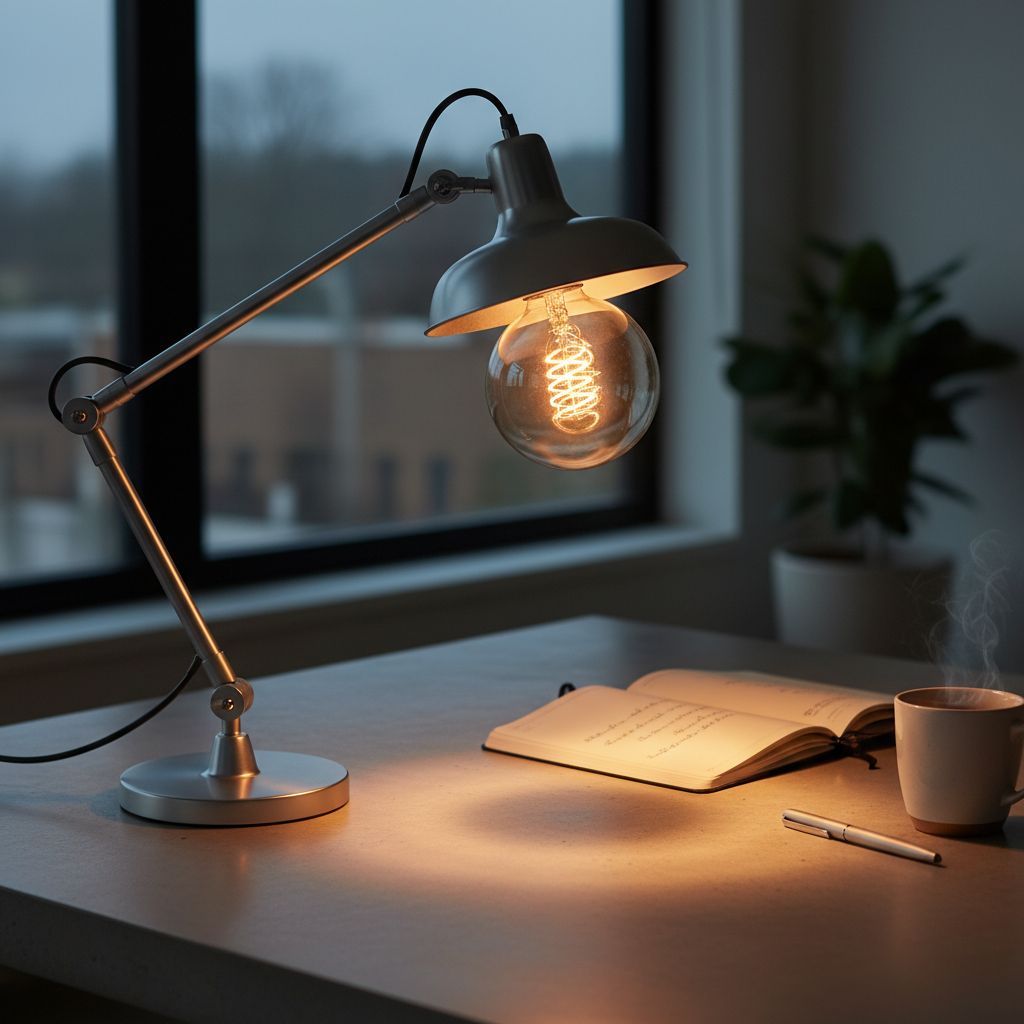 ⚠️ This picture may have spelling mistakes. Trust the words in the lesson.
Why Do We Need Both?
Imagine if we only had natural light. When the Sun sets, everything would be completely dark! We wouldn't be able to read, play inside, or even see our way to bed. That's why artificial light sources are so important – they help us continue our activities even when it's dark outside. And natural light, especially the Sun, is vital for life on Earth, helping plants grow and giving us warmth.
Safety First with Light!
- Never look directly at the Sun, it can hurt your eyes!
- Be careful around candles and hot light bulbs, they can burn you or start fires.
- Always ask an adult for help with anything that creates heat or fire.
So, now you know that light comes from many amazing places, both from nature and from things people have made! Keep your eyes open and see how many light sources you can spot today!
Keep learning, free
Create a free Syllabax account to unlock practice questions and games for this topic.
Visual Learning Enhanced! 🚀
To help you master this topic, we use Advanced Syllabax AI to generate detailed diagrams and visual models.
Note on Visuals: The AI sometimes makes spelling errors in image labels. Please refer to the lesson text for the correct terminology.