Methods of Data Collection
Watch this topic in 60 seconds
Free preview · Lesson 1
Understanding Methods of Data Collection
Uncovering Secrets: Your Guide to Data Collection (Grade 7)
Hey 7th Graders! Have you ever wondered how scientists, businesses, or even your favorite video game designers know what you like or what's popular? They use something called data collection! Think of data as tiny pieces of information, like clues in a mystery. Collecting data is simply the way we gather these clues to understand something better.
Imagine you're baking a cake. You can't just throw ingredients together and hope for the best, right? You need a recipe! That recipe is like your plan for collecting information. The ingredients themselves (flour, sugar, eggs) are the data. And how you get those ingredients (buying from a store, getting eggs from a chicken) are your methods of data collection.
Why Do We Even Collect Data?
We collect data for tons of reasons! We might want to:
- Answer a question: "What's the most popular sport among 7th graders?"
- Solve a problem: "Why are so many students forgetting their lunch at home?"
- Make a decision: "Should our school have more after-school clubs?"
- Learn something new: "How do different types of soil affect plant growth?"
Just like a detective gathers evidence to solve a case, we gather data to understand the world around us.
The Big Five: Main Methods of Data Collection
There are many ways to collect data, but for our 7th-grade adventure, we're going to focus on five main methods. Each one is like a different tool in your data-detective toolkit!
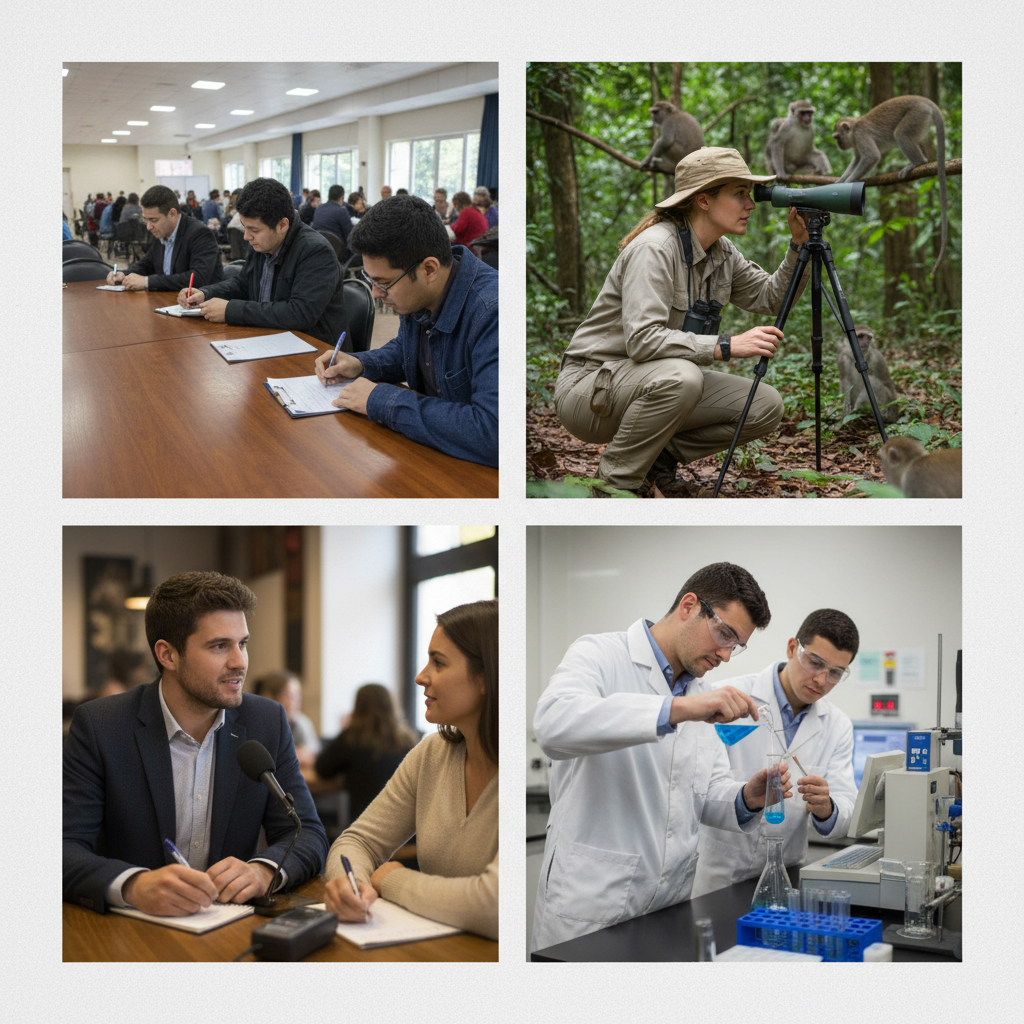
1. Surveys and Questionnaires: Asking Around!
This is probably the most common method you've seen. A survey or questionnaire is simply asking a set of questions to a group of people to gather their opinions, experiences, or facts about themselves.
- Analogy: Imagine you want to know what kind of pizza your friends like best for a party. You might ask each friend, "Do you prefer pepperoni, cheese, or veggie pizza?" That's a mini-survey!
How it works: You write down questions and then give them to people to answer. This can be done on paper, online (like a Google Form), or even verbally.
Pros (Good things):
- You can collect data from many people relatively quickly.
- It's good for getting opinions and preferences.
Cons (Challenging things):
- People might not always be honest or might not remember things accurately.
- The way you ask a question can sometimes influence the answer.
2. Observations: Watching and Learning!
Observation is exactly what it sounds like: watching and recording what you see or hear without directly interacting with the people or things you're studying.
- Analogy: Think about watching a bird feeder in your backyard. You're not asking the birds what they like; you're just watching which birds visit, what seeds they eat, and how long they stay. You're collecting data by observing their natural behavior!
How it works: You set up a way to watch and record specific behaviors or events. This could be counting how many cars stop at a stop sign, or watching how students interact during group work.
Pros:
- You see what people (or animals or things) *actually* do, not just what they *say* they do.
- It's good for studying behavior in a natural setting.
Cons:
- It can take a lot of time and patience.
- The presence of an observer might sometimes change what people do (they might act differently if they know they're being watched!).
- You can't ask "why" they did something.
3. Experiments: Testing and Discovering!
An experiment is a special way of collecting data where you intentionally change one thing (we call this a variable) to see what effect it has on something else. It's all about cause and effect!
- Analogy: Remember planting a seed in science class? If you plant two identical seeds, but give one a lot of water and the other very little, you're doing an experiment! You're changing the amount of water (your variable) to see how it affects plant growth.
How it works: You set up a controlled situation where you can change one factor and measure the results. You usually have a 'control group' (nothing changed) and an 'experimental group' (the change is applied).
Pros:
- Great for finding out if one thing *causes* another thing to happen.
- Can be repeated by others to check your results.
Cons:
- Can be complicated to design and carry out properly.
- Sometimes, experiments can't be done on people for ethical reasons (you can't make someone do something harmful!).
4. Interviews: Talking One-on-One!
An interview is like a survey, but it's usually done in a more personal, conversational way, often one-on-one (or with a small group). You ask questions and the person (the interviewee) answers you directly.
- Analogy: Imagine you're a school reporter, and you're interviewing the principal about a new school policy. You're having a conversation, asking questions, and getting detailed answers directly from them. You can even ask follow-up questions if something isn't clear!
How it works: You prepare a list of questions, but you're flexible. You can ask follow-up questions to dig deeper into interesting answers. This can be done face-to-face, over the phone, or through video calls.
Pros:
- You can get very detailed, rich information.
- You can ask "why" and get explanations.
- You can build a good relationship with the person you're interviewing.
Cons:
- Takes a lot of time per person, so you can't interview as many people as you can survey.
- The interviewer's questions or body language can sometimes influence the answers.
5. Using Existing Data (Secondary Data): Learning from What's Already There!
Sometimes, the data you need has already been collected by someone else! This is called using secondary data. You're not collecting it yourself; you're using data that already exists.
- Analogy: Think about using a recipe from a cookbook instead of creating your own recipe from scratch. The cookbook's author already did the work of figuring out the ingredients and steps. Similarly, if you want to know the average temperature in your town last year, you wouldn't go out and measure it every day yourself; you'd look up the weather records!
How it works: You find and analyze data that has been published or collected by others. This could be from government websites, books, scientific journals, historical records, or reputable online sources.
Pros:
- Saves a lot of time and effort because someone else already did the hard work.
- Can give you access to very large amounts of data that would be impossible for one person to collect.
- Often very reliable if it comes from official sources.
Cons:
- The data might not be exactly what you need for your specific question.
- You need to be careful to check if the source of the data is trustworthy and accurate.
- You don't know exactly how the data was collected, which might affect its quality.
Choosing the Right Tool for the Job
Just like you wouldn't use a hammer to cut paper, you wouldn't use a survey to test how well different glues hold together. The best method of data collection depends on your question and what you want to find out.
By understanding these different methods, you're well on your way to becoming a data-savvy detective!
Keep learning, free
Create a free Syllabax account to unlock practice questions and games for this topic.
Visual Learning Enhanced! 🚀
To help you master this topic, we use Advanced Syllabax AI to generate detailed diagrams and visual models.
Note on Visuals: The AI sometimes makes spelling errors in image labels. Please refer to the lesson text for the correct terminology.