Comparing lengths (Length)
Watch this topic in 60 seconds
Free preview · Lesson 1
Understanding Comparing lengths (Length)
Comparing Lengths: How Tall is That?
Welcome, super learners! Today, we're going to talk about something we see all around us: length! Length is just a way to describe how long or how tall something is.
What is Length?
Imagine you have a yummy candy cane. The length of the candy cane is how far it is from one end to the other. Or think about your favorite toy car. Its length is how long it is from the front bumper to the back bumper.
We use length to compare things. Is your jump rope longer than your arm? Is a giraffe's neck longer than a ladybug's leg? Let's find out!
Comparing Objects: Longer and Shorter
When we compare lengths, we often use words like longer and shorter.
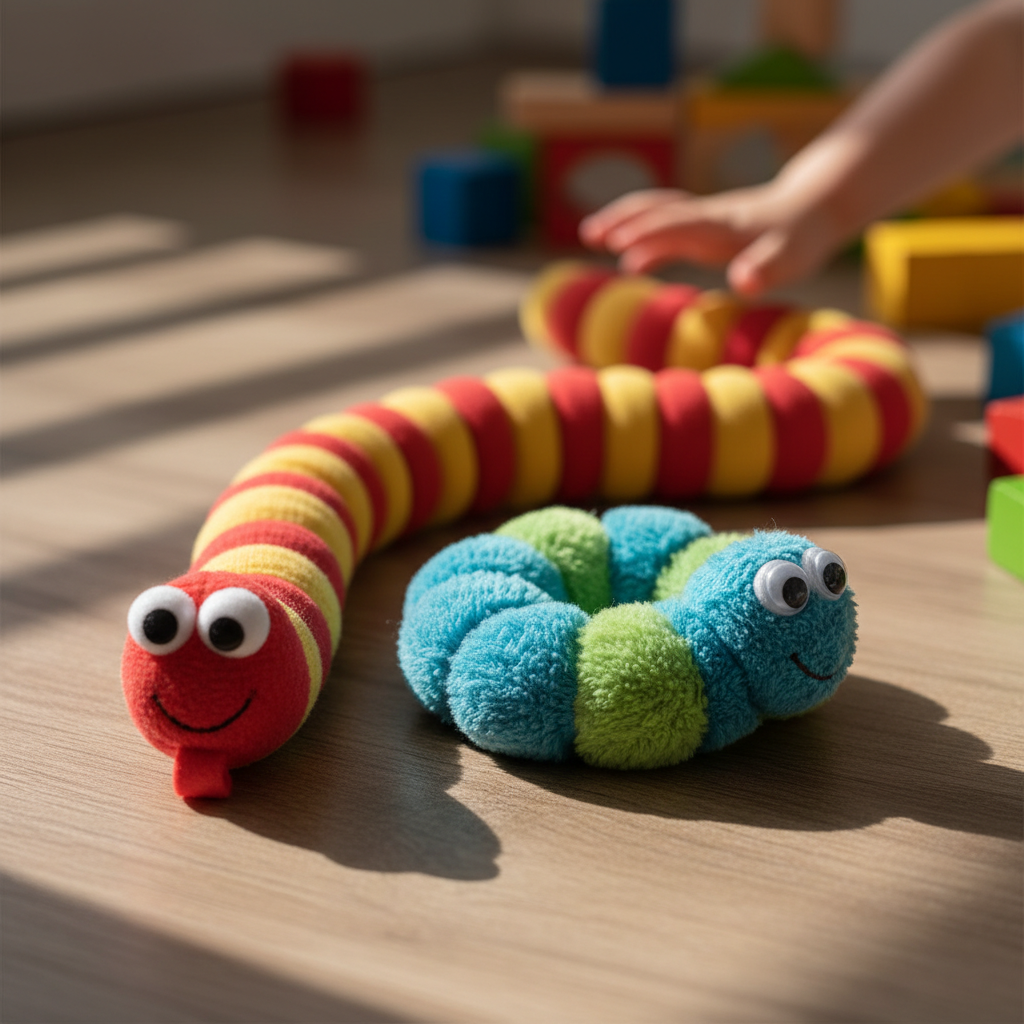
Imagine you have two toy worms. One worm is very wiggly and long, and the other is a little stubby. The wiggly worm is longer than the stubby worm. The stubby worm is shorter than the wiggly worm.
Think about your pencils! If you have a brand new pencil, it's probably longer than a pencil that you've used a lot and sharpened many times. The well-used pencil is shorter.
Analogy: Rivers! Think of two rivers. The Amazon River is very, very long. The little stream in your backyard is very, very short. The Amazon River is much longer than the backyard stream.
Comparing Objects: Taller and Shorter
We also use taller and shorter when we talk about how high something is, especially for things that stand up, like people or buildings!
Imagine you and your best friend are standing side-by-side. If your head reaches higher up than your friend's head, you are taller than your friend. Your friend is shorter than you.
Think about trees! A giant redwood tree is super taller than a small bush in a garden. The small bush is shorter than the redwood tree.
Analogy: Towers! Think of a tall skyscraper in a city. It is very taller than a small playhouse for kids. The playhouse is shorter.
It's important to remember that 'shorter' can mean less in length (like a worm) or less in height (like a person).
Comparing Objects: Comparing Lengths Directly
Sometimes, to know for sure which is longer or shorter, we can place the objects next to each other. This is like putting them side-by-side to see.
Imagine you have a red crayon and a blue crayon. If you place them right next to each other, with the bottoms lined up, you can easily see which one goes further. The one that goes further is longer!
Analogy: Roads! Imagine two roads starting at the same point. One road goes on for many miles, while the other road stops after just a few blocks. The road that goes for many miles is longer. The road that stops quickly is shorter.
We can use tools to help us compare lengths, like a ruler or a measuring tape, but for now, we can just use our eyes and compare them side-by-side!
Comparing Lengths: What If They Are The Same?
What happens if two things are the same length? We say they are the same length or equal.
Imagine you have two pieces of string. If you stretch them out and they reach exactly the same spot, they are the same length.
Analogy: Shoes! If you have two identical shoes, they are the same length.
We can also say they have equal lengths.
Let's Look at Some Examples!
Look at the picture below. We have a snake and a caterpillar.
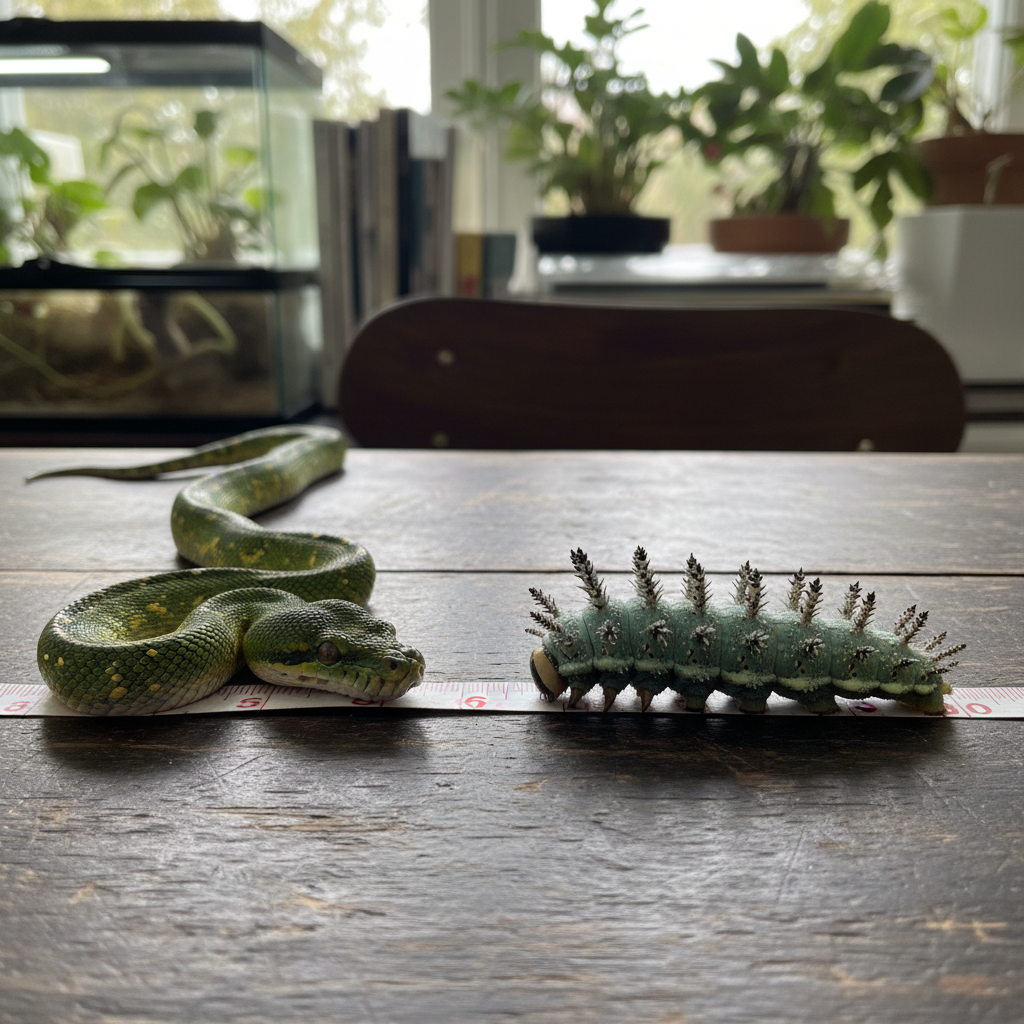
Which one is longer? The snake is longer than the caterpillar. Which one is shorter? The caterpillar is shorter than the snake.
Let's think about books. Imagine a big storybook and a small picture book. The big storybook is usually longer (or taller, depending on how you hold it!) than the small picture book. The small picture book is shorter.
We can also compare things that are far away! If you see a big ship on the ocean and a little toy boat in a pond, the ship is much, much longer than the toy boat, even though it looks smaller because it's far away.
Why is Comparing Lengths Important?
Comparing lengths helps us understand the world around us! When builders build houses, they need to know the length of wood to use. When tailors make clothes, they need to know how long the fabric should be. When you want to know if you can fit your new toy under your bed, you need to compare the toy's length to the space under the bed!
So, remember: length is about how long, tall, or far something goes. We use words like longer, shorter, taller, and the same length to compare them. Keep practicing and looking around you – you'll see length everywhere!
Keep learning, free
Create a free Syllabax account to unlock practice questions and games for this topic.
Visual Learning Enhanced! 🚀
To help you master this topic, we use Advanced Syllabax AI to generate detailed diagrams and visual models.
Note on Visuals: The AI sometimes makes spelling errors in image labels. Please refer to the lesson text for the correct terminology.