Syllogism (basic) – Logical Deduction
Watch this topic in 60 seconds
Free preview · Lesson 1
Syllogism (basic) – Logical Deduction (Foundational)
Syllogism (Basic) – Logical Deduction: Foundational Level
Hello, young scientists! Today, we're going to explore the exciting world of logical deduction using something called a syllogism. Don't worry, it's not as scary as it sounds!
What is a Syllogism?
A syllogism is simply a way of putting together two true statements to reach a new, true conclusion. Think of it like solving a mini-mystery using clues!

It has three parts:
- Premise 1 (Major Premise): A general statement that is usually considered true.
- Premise 2 (Minor Premise): A specific statement related to the first premise.
- Conclusion: The logical result if both premises are true.
Example Time!
Let's look at an easy example:
- Premise 1: All cats meow.
- Premise 2: Whiskers is a cat.
- Conclusion: Therefore, Whiskers meows.
See how we combined the two statements to figure out something new? That's deduction in action!
Another Example
- Premise 1: All birds have feathers.
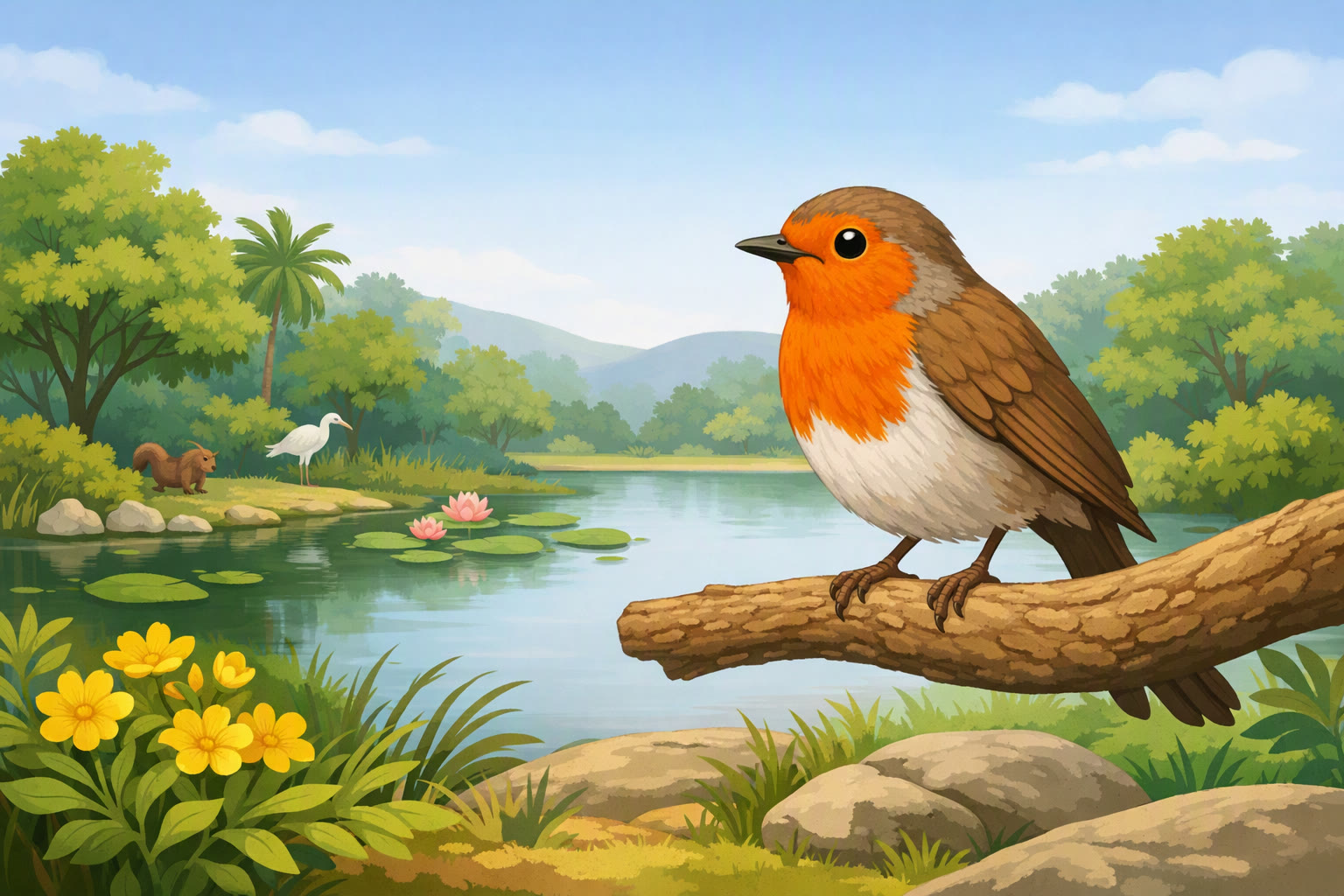
- Premise 2: A robin is a bird.
- Conclusion: Therefore, a robin has feathers.
Important Points
- Both premises MUST be true for the conclusion to be definitely true. If one or both premises are false, the conclusion might be wrong, even if it sounds right!
- Syllogisms help us think critically and make logical connections.
Let's practice some more!
Keep learning, free
Create a free Syllabax account to unlock practice questions and games for this topic.
Visual Learning Enhanced! 🚀
To help you master this topic, we use Advanced Syllabax AI to generate detailed diagrams and visual models.
Note on Visuals: The AI sometimes makes spelling errors in image labels. Please refer to the lesson text for the correct terminology.