Greater than, smaller than (>, <, =) (Number Sense )
Watch this topic in 60 seconds
Free preview · Lesson 1
Understanding Greater than, smaller than (>, <, =) (Number Sense )
Greater Than, Smaller Than, and Equal To (>, <, =)
Welcome, young mathematicians! Today, we're going to learn about a super important idea in math called **comparing numbers**. We use special symbols to show if one number is bigger, smaller, or the same as another number. Think of it like playing a game where we compare how many toys you have versus how many your friend has!
What does "Greater Than" Mean?
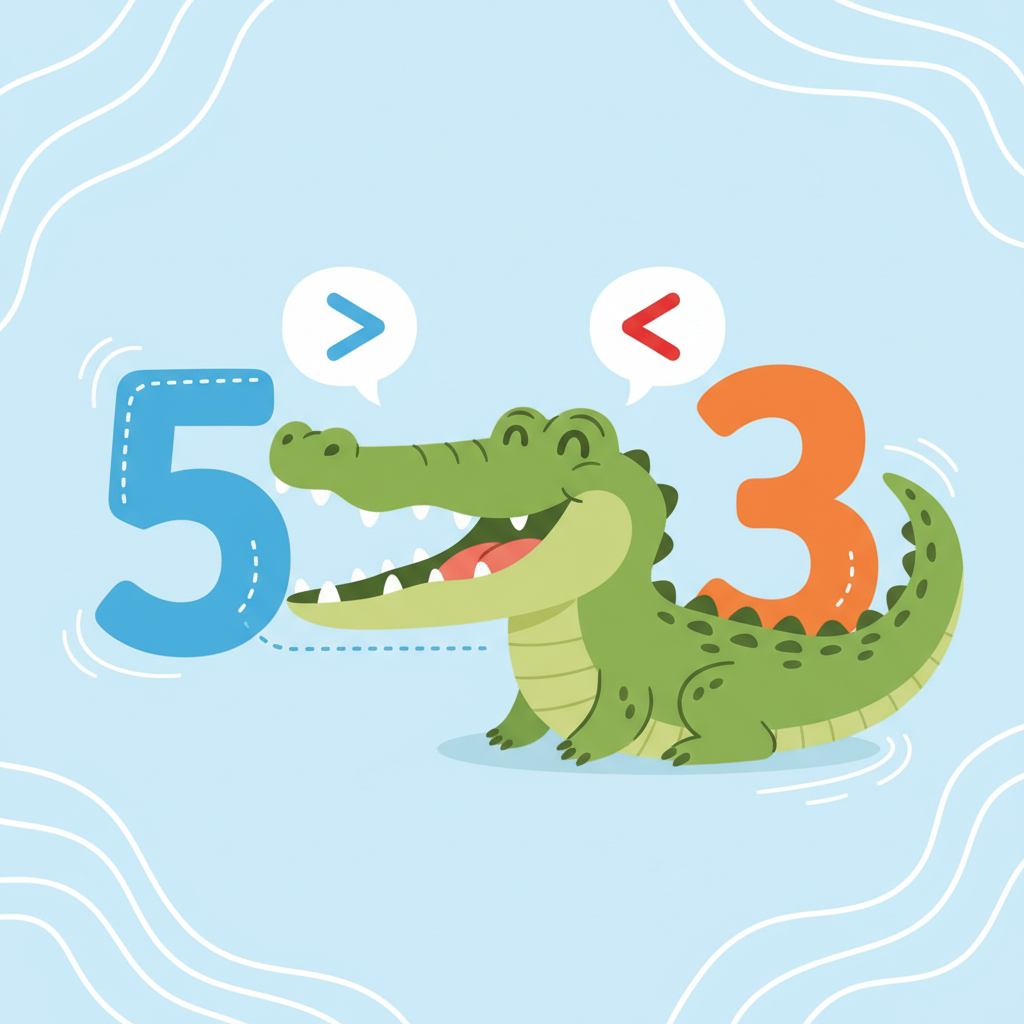
The symbol '>' means "greater than". It looks like a little alligator mouth that is always hungry for the bigger number! Imagine you have 5 yummy cookies, and your friend has 3 cookies. Which is more? That's right, 5 is more than 3! So, we say 5 is greater than 3. We write it like this: 5 > 3.
Think about a seesaw. If one side has more friends sitting on it, it goes down! The side with more friends is like the bigger number. The alligator mouth '>' always points to the side that is heavier or has more.
Let's try another one. If you have 10 colorful crayons and your sister has 7 crayons, which number is bigger? 10! So, 10 is greater than 7. We write: 10 > 7.
What does "Smaller Than" Mean?
The symbol '<' means "smaller than". This is like the alligator mouth facing the other way! It's still hungry, but now it wants to eat the smaller number. If your friend has 3 cookies and you have 5 cookies, your friend has fewer cookies. So, we say 3 is smaller than 5. We write it like this: 3 < 5.
Imagine you are walking home from school. If you have to walk a shorter path, that path is smaller. If you have to walk a longer path, that path is bigger. The '<' symbol points to the shorter or smaller path.
Let's compare 2 and 8. Which number is smaller? 2! So, 2 is smaller than 8. We write: 2 < 8.
What does "Equal To" Mean?
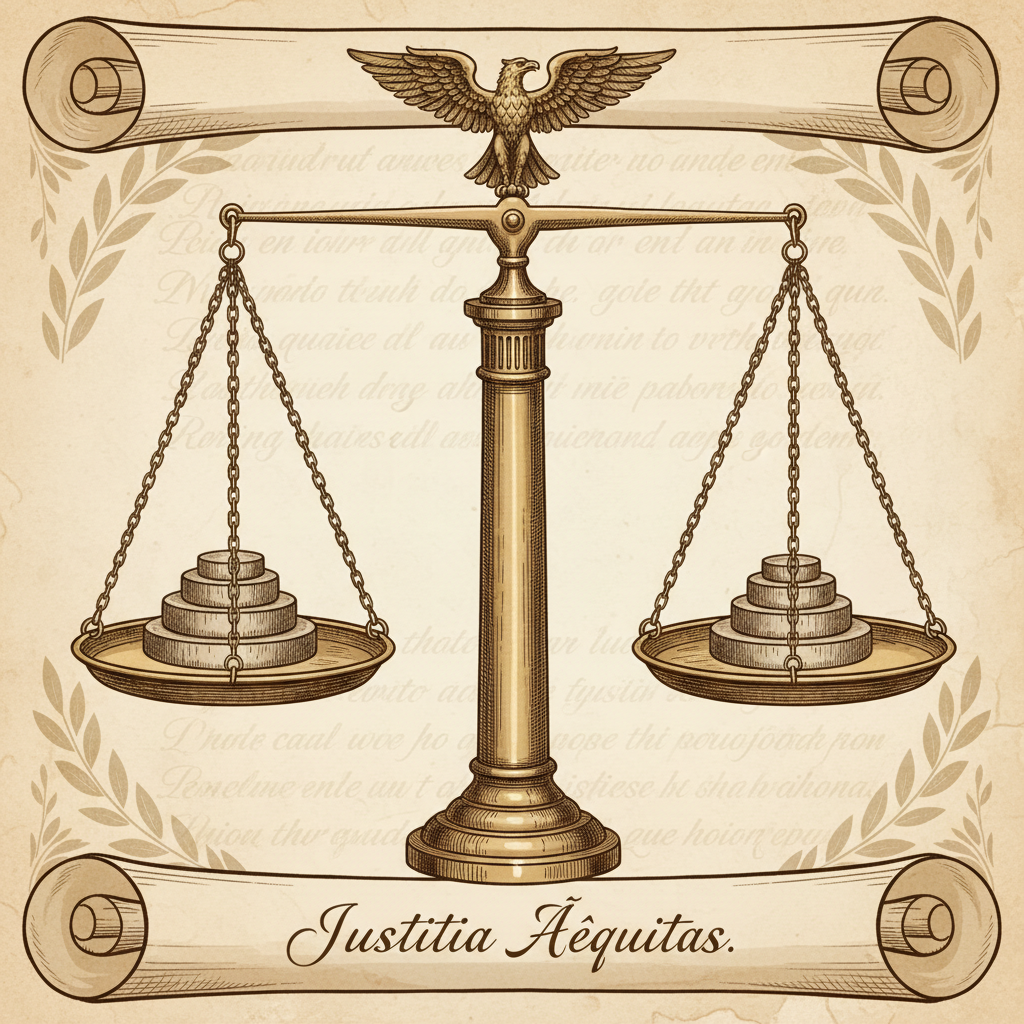
The symbol '=' means "equal to". This symbol means that both numbers are exactly the same! They are twins! If you and your best friend both have 4 shiny marbles, you have the same amount. We say 4 is equal to 4. We write it like this: 4 = 4.
Think about a perfectly balanced scale. If both sides have the same weight, the scale stays straight. That's what '=' does for numbers – it shows they are balanced and the same.
What if you have 6 blue balloons and your brother also has 6 red balloons? Even though the colors are different, the number of balloons is the same! So, 6 is equal to 6. We write: 6 = 6.
 ⚠️ This picture may have spelling mistakes. Trust the words in the lesson.
Putting It All Together!
Now, let's practice using these symbols!
How do we compare 7 and 9?
Is 7 greater than 9? No.
Is 7 smaller than 9? Yes!
So, we write: 7 < 9. The alligator mouth points to the bigger number, 9!
How do we compare 12 and 10?
Is 12 greater than 10? Yes!
So, we write: 12 > 10. The alligator mouth points to the bigger number, 12!
How do we compare 5 and 5?
Are they greater? No.
Are they smaller? No.
Are they the same? Yes!
So, we write: 5 = 5. They are equal!
Remember these symbols:
- > : Greater than (The hungry alligator mouth opens to the bigger number!)
- < : Smaller than (The hungry alligator mouth opens to the bigger number, so the other side is smaller!)
- = : Equal to (Both sides are the same!)
Keep practicing, and you'll become a number comparison expert in no time!
Keep learning, free
Create a free Syllabax account to unlock practice questions and games for this topic.
Visual Learning Enhanced! 🚀
To help you master this topic, we use Advanced Syllabax AI to generate detailed diagrams and visual models.
Note on Visuals: The AI sometimes makes spelling errors in image labels. Please refer to the lesson text for the correct terminology.