Water safety and cleanliness (Water)
Watch this topic in 60 seconds
Free preview · Lesson 1
Understanding Water safety and cleanliness (Water)
Splish, Splash! Learning About Water Safety and Cleanliness
Hello, young explorers! Today, we're going on an exciting adventure to learn all about water – the amazing liquid that helps us live, play, and grow! Water is everywhere, from the giant oceans to the tiny drops in your drinking glass. But just like a friendly pet, water can be wonderful, but we also need to know how to be safe around it and keep it clean.
Part 1: Being Safe Around Water (Water Safety!)
Imagine water is like a big, playful friend. It’s super fun to swim and splash, but just like with any friend, we need to follow some rules to stay safe and happy. This is what we call "Water Safety."
Rule #1: Always Have a Grown-Up Nearby! (Like a Superhero Lifeguard)
Think of water like a giant playground. Would you go to a playground all by yourself? Probably not! The same goes for water. Whether it's a swimming pool, a lake, a river, or even a bathtub, you should always have a responsible adult with you. They are like your personal superheroes, watching out for you and ready to help if you need it. They can see things you might miss and know how to keep you safe.
Analogy: Going near water without an adult is like trying to cross a busy street without holding a grown-up's hand. It's too risky!
Rule #2: Learn to Swim! (Your Water Superpower!)
Learning how to swim is like gaining a superpower in the water! It helps you feel more comfortable and confident. Even if you know how to swim, remember Rule #1: always have an adult watch you. Swimming lessons are a great way to learn new skills and practice staying safe.
Rule #3: Life Jackets are Your Water Hugs!
If you're going to be on a boat, or near deep water like a lake or ocean, wearing a life jacket is super important. A life jacket is like a big, comfy hug that helps you float if you accidentally fall in. It keeps your head above water so you can breathe easily. Always make sure your life jacket fits you just right – not too big and not too small.
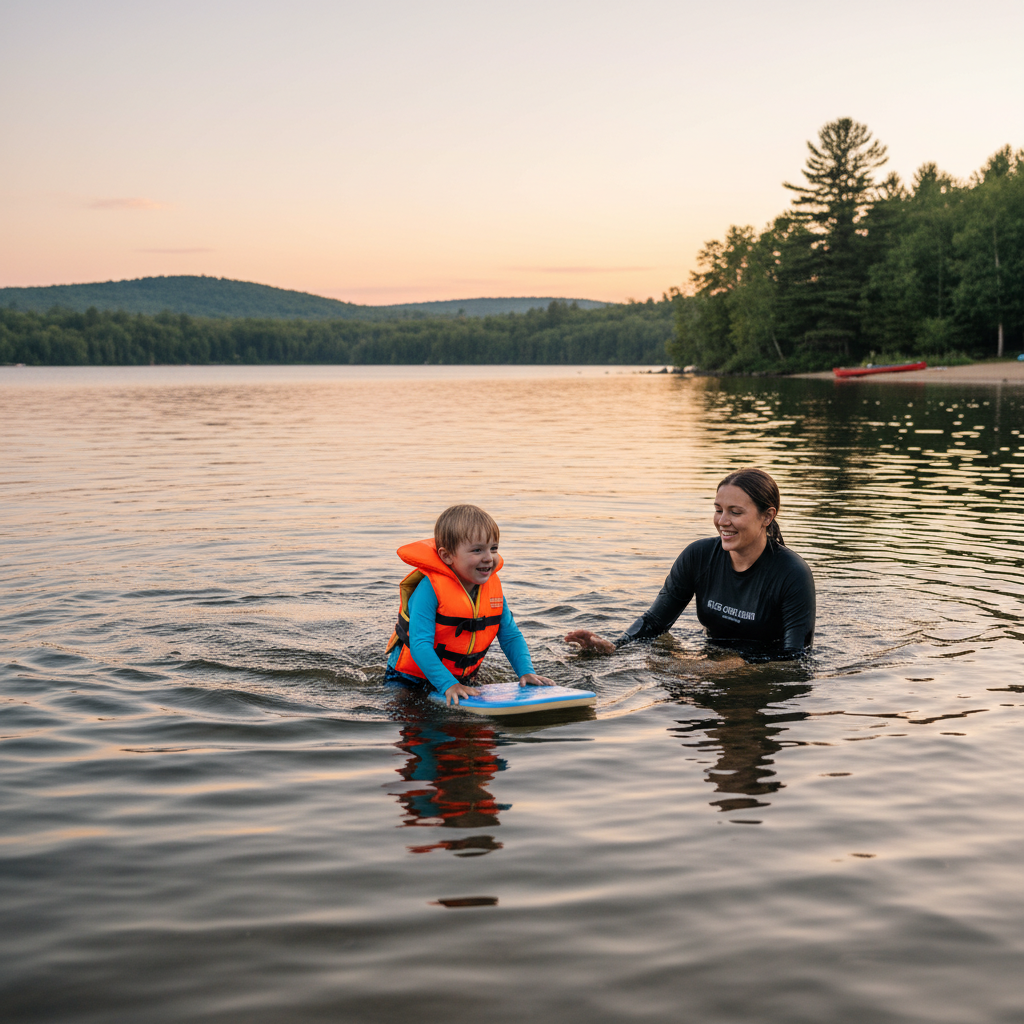
Rule #4: Follow the Rules of the Pool and Beach! (Play Fair!)
- No Running: Pool decks can be slippery, like ice! Running can make you slip and fall, which can hurt. Always walk slowly.
- Don't Push or Dunk Others: Playing rough in the water can be dangerous. Be kind and gentle with your friends.
- Know the Deep End: Some parts of the pool are very deep, like a tall building! Only go into the deep end if an adult says it's okay and you are a strong swimmer.
- Enter Feet First: When you get into a pool, always go in feet first unless an adult tells you it's safe to dive. You never know what might be under the water!
Analogy: Water rules are like the rules of a game. If everyone follows them, everyone has fun and stays safe!
Part 2: Keeping Our Water Squeaky Clean (Water Cleanliness!)
Now that we know how to be safe around water, let's talk about keeping water clean. Why is clean water so important? Well, just like you need clean clothes and a clean room, you also need clean water to stay healthy!
Why is Clean Water Important? (Bye-Bye Germs!)
Imagine tiny, invisible little creatures called "germs" that love to live in dirty water. These germs are like mischievous little monsters that can make you feel sick – give you a tummy ache, or make you tired. We don't want those germs hanging around, do we?
When water is clean, it means those yucky germs are gone, or there are very few of them. We need clean water for many things:
- Drinking: Our bodies need water to work properly, and it must be clean water!
- Washing: We use water to wash our hands, bathe, and clean our food.
- Cooking: Clean water helps us make yummy meals.
- Playing: We want to swim and play in water that won't make us sick.
What Makes Water Dirty? (Oops! Messy Water!)
Water can get dirty in many ways:
- Trash and Litter: When people throw their garbage (like plastic bottles or candy wrappers) into rivers, lakes, or oceans, it makes the water dirty and harms the animals that live there.
- Chemicals: Sometimes harmful liquids, like oil or cleaning products, can get into water and make it unsafe.
- Invisible Germs: As we talked about, sometimes germs from things like animal waste or sewage can get into water and make it unclean, even if it looks clear!
How Can We Keep Water Clean? (Be a Water Protector!)
You can be a superhero for water cleanliness! Here's how:
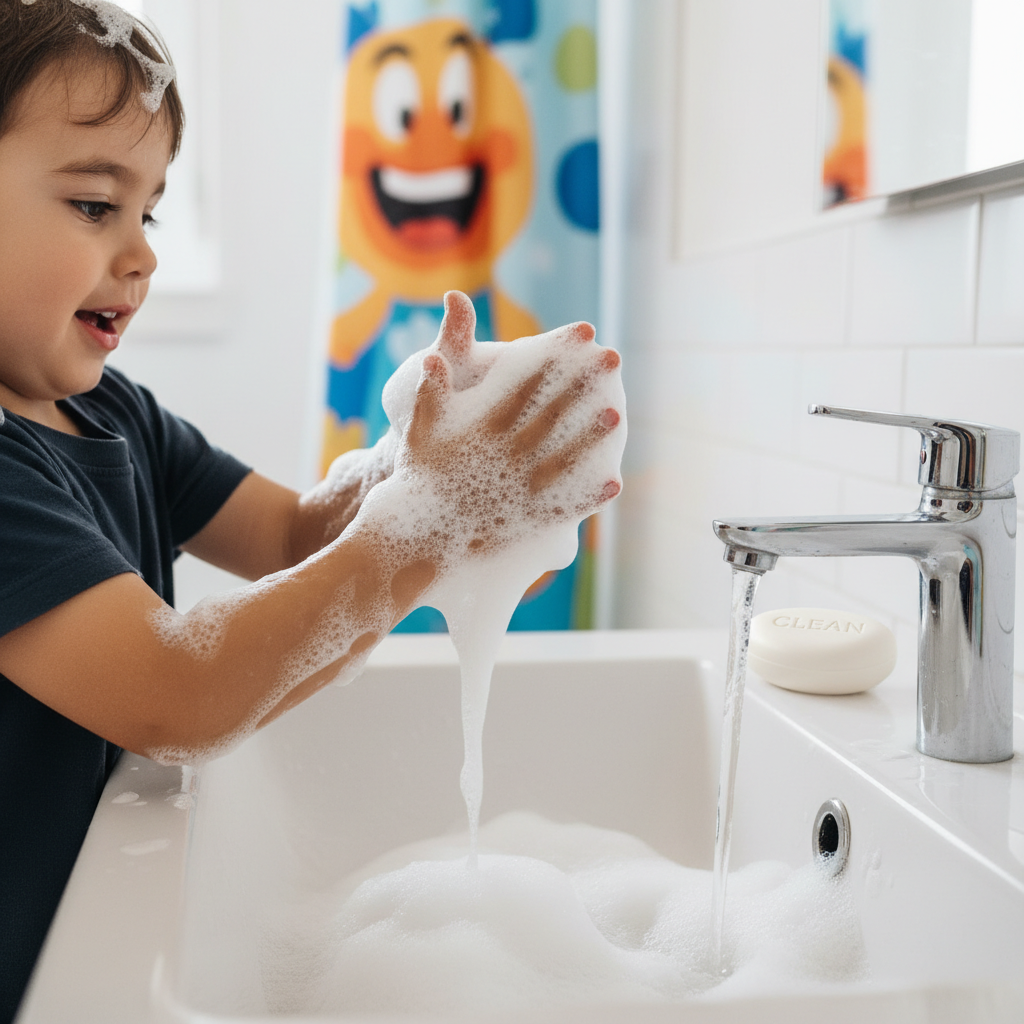
- Wash Your Hands Properly: This is one of the easiest and most important ways to stop germs from spreading! Always wash your hands with soap and water before eating, after using the bathroom, and after playing outside.
- Don't Litter: Never throw trash into any body of water or on the ground where it can wash into drains and then into rivers. Always put your trash in a trash can!
- Conserve Water: Use only the water you need. Turn off the tap when you're brushing your teeth, and take shorter showers. Why? Because it takes a lot of energy and resources to clean and deliver water to our homes. The less we waste, the more clean water there is for everyone!
- Tell a Grown-Up: If you see someone throwing trash into water, or if you see something that looks like pollution, tell an adult right away.
- Drink Safe Water: Always drink water that you know is clean and safe, like tap water from your home or bottled water. If you are ever unsure, ask an adult. Sometimes, water from streams or rivers might look clean, but it can still have invisible germs.
Analogy: Keeping water clean is like keeping your room tidy. If everyone helps, it stays nice and fresh for everyone to enjoy!
Being a Water Wise Kid!
Remember, water is a precious gift. By learning about water safety and cleanliness, you're becoming a responsible and wise water user. You're helping yourself, your friends, and even the animals and plants that depend on clean water to survive.
So next time you see a sparkling pool, a calm lake, or even just turn on the faucet, remember these important lessons. Be safe, be clean, and be a water hero!
Keep learning, free
Create a free Syllabax account to unlock practice questions and games for this topic.
Visual Learning Enhanced! 🚀
To help you master this topic, we use Advanced Syllabax AI to generate detailed diagrams and visual models.
Note on Visuals: The AI sometimes makes spelling errors in image labels. Please refer to the lesson text for the correct terminology.