Sources of light (PHYSICS)
Watch this topic in 60 seconds
Free preview · Lesson 1
Understanding Sources of light (PHYSICS)
Understanding Sources of Light
Hello young scientists! Today, we're going on an exciting journey to explore the world of light. Have you ever wondered where all the light we see comes from? Light is super important. It helps us see everything around us, from your favorite toys to the big, bright sun in the sky! Without light, our world would be very dark.
What is Light?
Think of light as tiny, invisible waves or little packets of energy that travel really, really fast. These waves or packets are what allow our eyes to see. When light hits an object and bounces off it, it travels to our eyes, and our brain tells us what we're seeing. It's like a super-fast messenger service!
What is a Source of Light?
A source of light is anything that produces or gives off its own light. Imagine a light bulb in your room. It makes its own light, right? That's why it's a source of light. Now, think about a book. Does a book make its own light? No, it doesn't. We can see the book because light from another source, like a lamp or the sun, shines on it and bounces off. So, the book isn't a source of light, but it can be seen because of a source of light.
Natural Sources of Light
Nature is full of amazing light sources! These are sources that exist without humans having to create them.
The Sun: Our Giant Star
The most important natural source of light for us on Earth is the Sun. The Sun is a giant star, and it's like a massive, natural furnace. It's so hot inside that it creates an incredible amount of light and heat. This light travels all the way across space to reach us, giving us daylight. Without the Sun's light, Earth would be a cold, dark, and lifeless planet. It's like the ultimate flashlight for our planet!
Stars: Distant Suns
When you look up at the night sky, all those twinkling lights are stars! Stars are just like our Sun, but they are incredibly far away. They are giant balls of hot gas that produce their own light, just like the Sun. We see them as tiny dots of light because they are so distant. Think of them as tiny LEDs on a huge, dark ceiling!
Lightning: A Flash of Energy
Have you ever seen a thunderstorm? Lightning is a very powerful, natural source of light. It's a giant spark of electricity that flashes through the sky during a storm. This spark is so bright and hot that it creates a brilliant flash of light. It's like a super-powerful, natural camera flash!
Bioluminescence: Living Light
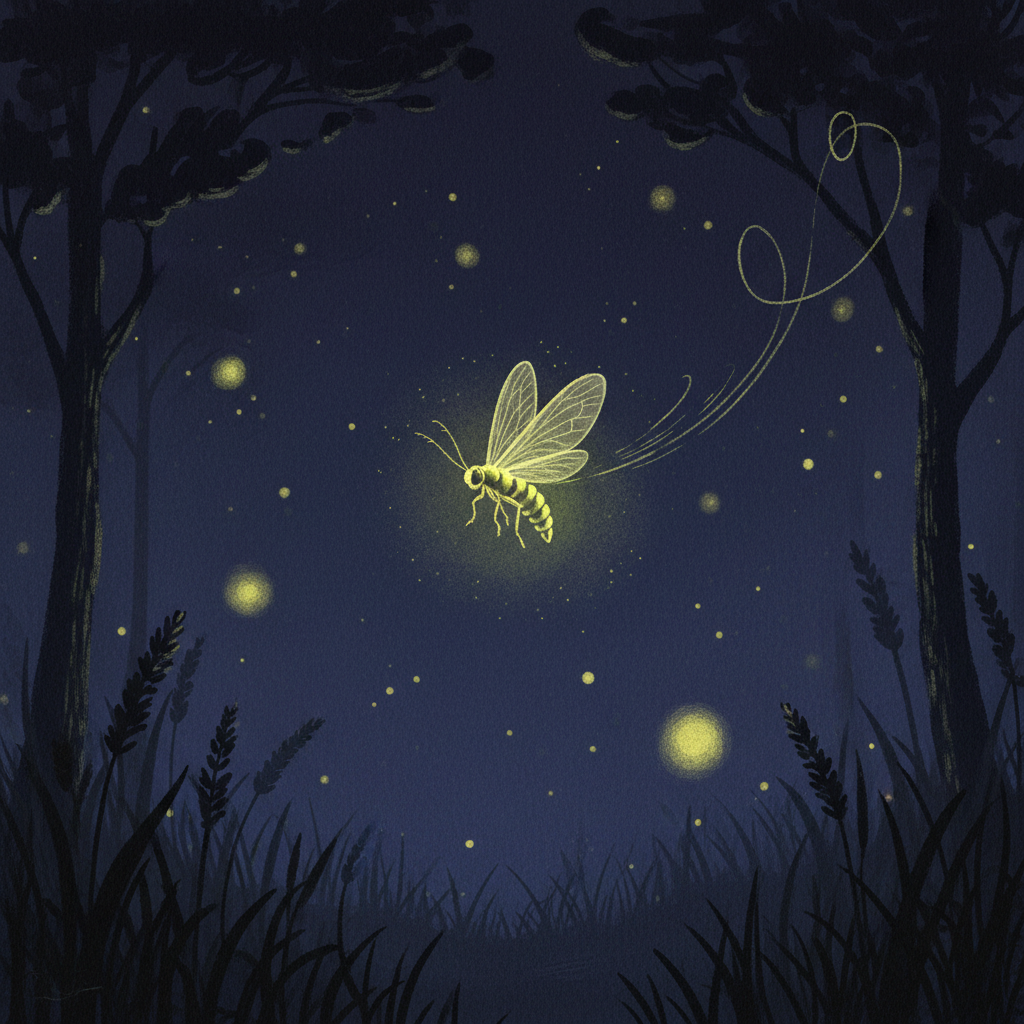
Some living things can create their own light! This amazing ability is called bioluminescence. Think about fireflies or glowworms. They have special parts in their bodies that produce a gentle, glowing light. This is often used to communicate, attract mates, or find food. It's like the animal has its own built-in night light!
Another example is found deep in the ocean, where sunlight cannot reach. Many deep-sea creatures, like certain jellyfish and fish, can produce their own light to see in the darkness or to attract prey. It’s like they have tiny, living lanterns!
Artificial Sources of Light
Besides natural sources, humans have also invented many ways to create light. These are called artificial sources of light.
Light Bulbs: Lighting Up Our Homes
This is probably the most common artificial light source you see every day. Inside a light bulb, electricity flows through a thin wire called a filament. This filament gets very hot and starts to glow, producing light. It’s like a tiny, controlled fire inside a glass bubble!
Candles: Old but Bright
Candles have been used for thousands of years to provide light. A candle works by burning a wick, which is a string soaked in wax. When the wick burns, it produces a flame that gives off light and heat. It’s like a miniature, portable campfire!
Lamps and Torches (Flashlights)
Lamps, whether they are table lamps or floor lamps, use light bulbs to produce light. Torches, also known as flashlights, are portable lamps that often use batteries to power a light bulb or an LED (Light Emitting Diode). These are great for when you need light on the go, like when you're camping or looking for something in a dark closet. They are like personal, portable suns!
Fire: A Primal Source
While often considered natural in its raw form, humans have learned to control and use fire for light and warmth. A campfire or a fireplace produces light from the burning fuel, like wood. It's one of the oldest ways humans have created light.
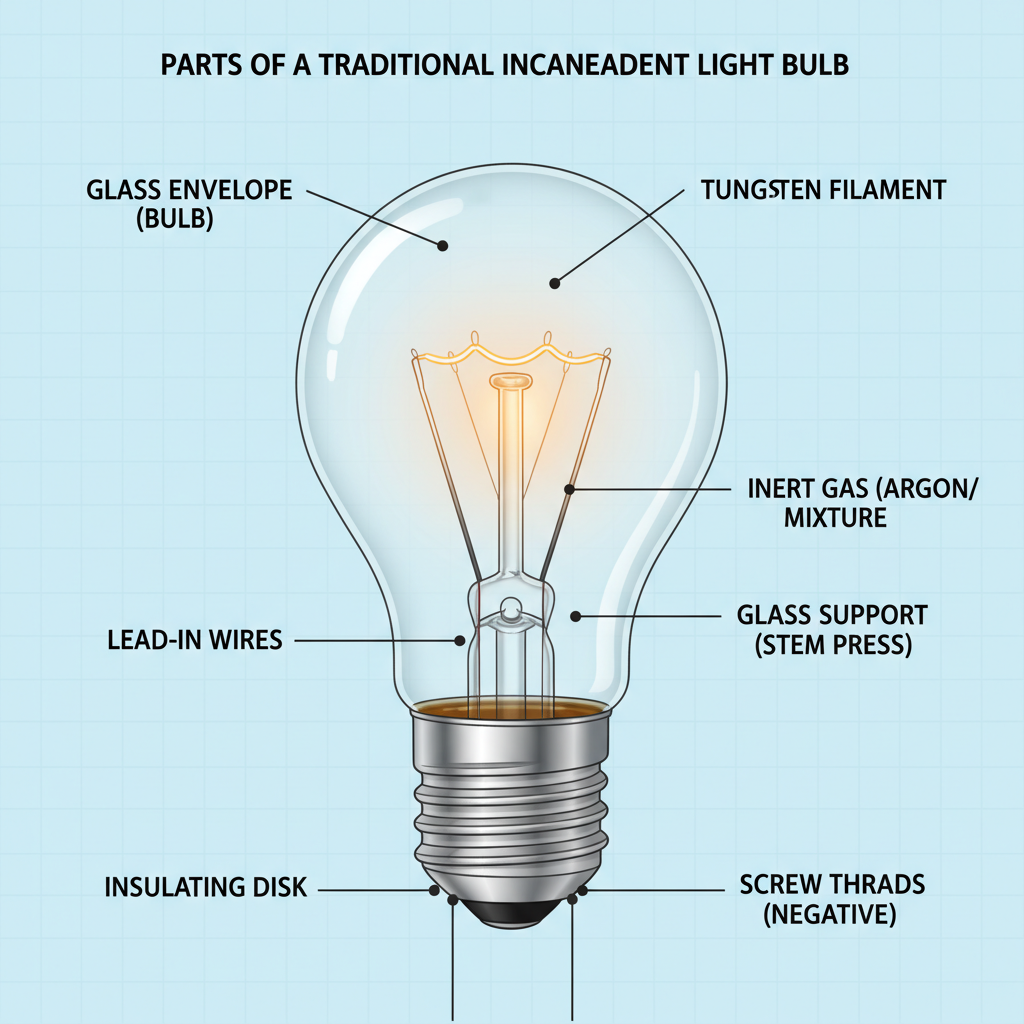 ⚠️ This picture may have spelling mistakes. Trust the words in the lesson.
How We See Objects
Remember how we said light travels? To see an object, two things need to happen:
- Light must come from a source (either natural or artificial).
- That light must travel to the object and then bounce off it (reflect) and travel to our eyes.
If there's no light source, or if the light isn't reaching the object, we can't see it. Think about a completely dark room. You can't see anything because there's no light to reflect off the objects and travel to your eyes. Turn on a light, and suddenly you can see everything!
Types of Light Sources
We can broadly categorize light sources into two types:
1. Luminous Sources
These are objects that produce their own light. We talked about these earlier as 'sources of light'. Examples include the Sun, stars, light bulbs, and candles. They are like the batteries that power the light in our world.
2. Non-Luminous Sources
These are objects that do not produce their own light. They can only be seen when light from a luminous source shines on them and reflects into our eyes. Examples include the Moon, planets, tables, chairs, books, and even ourselves! The Moon shines because it reflects light from the Sun, just like a mirror reflects light. It's like a passive reflector.
Summary
Light is essential for us to see. A source of light is anything that gives off its own light. We have natural sources like the Sun, stars, lightning, and bioluminescent creatures. We also have artificial sources created by humans, such as light bulbs, candles, and lamps. Objects that produce their own light are called luminous, while objects that only reflect light are non-luminous. Keep observing the world around you – you'll start noticing light sources everywhere!
Keep learning, free
Create a free Syllabax account to unlock practice questions and games for this topic.
Visual Learning Enhanced! 🚀
To help you master this topic, we use Advanced Syllabax AI to generate detailed diagrams and visual models.
Note on Visuals: The AI sometimes makes spelling errors in image labels. Please refer to the lesson text for the correct terminology.