More/less liquid (Capacity)
Watch this topic in 60 seconds
Free preview · Lesson 1
Understanding More/less liquid (Capacity)
Understanding More and Less Liquid: A Fun Exploration of Capacity!
Hello young explorers! Today, we're going on an exciting adventure to learn about something super important: how much liquid a container can hold. We call this 'capacity'. Think of capacity like a container's tummy – how much 'food' (or in our case, liquid!) can it fit inside?
What is Capacity?
Capacity is simply the amount of space inside a container that can be filled with something, usually a liquid. Imagine your favorite juice box. It has a certain capacity – it can hold just enough juice for you to enjoy!
More Liquid vs. Less Liquid
Sometimes, one container can hold more liquid than another, and sometimes, one holds less. Let's use some fun analogies to understand this!
Analogy 1: The Drinking Cups
Imagine you have two cups. One is a small teacup, and the other is a big mug, like the one a grown-up might use for their coffee. If you pour the same amount of water into both, which cup will be fuller? The small teacup! It has less space inside, so the water fills it up quickly. The big mug has more space inside, so the same amount of water won't fill it up as much. This means the big mug has a larger capacity, and the small teacup has a smaller capacity.
Analogy 2: The Bathtubs
Think about a baby's small bathtub and a giant swimming pool. Which one can hold a LOT of water? The swimming pool, right? It's huge! It takes so much water to fill it up. The baby's bathtub only needs a little bit of water to fill. The swimming pool has a much larger capacity than the baby's bathtub. The baby's bathtub has a smaller capacity.
Analogy 3: The Juice Bottles
Let's look at juice bottles. You might have a small little juice bottle that's perfect for your lunchbox. Then, you might have a giant soda bottle that's meant for sharing. The giant soda bottle can hold way more juice than the small lunchbox bottle. So, the giant soda bottle has a larger capacity, and the small lunchbox bottle has a smaller capacity.
Comparing Containers
When we compare containers, we're asking which one can hold more liquid and which one can hold less liquid.
- More liquid means the container has a larger capacity.
- Less liquid means the container has a smaller capacity.
Look at the picture below. We have a tall, skinny glass and a short, wide bowl.
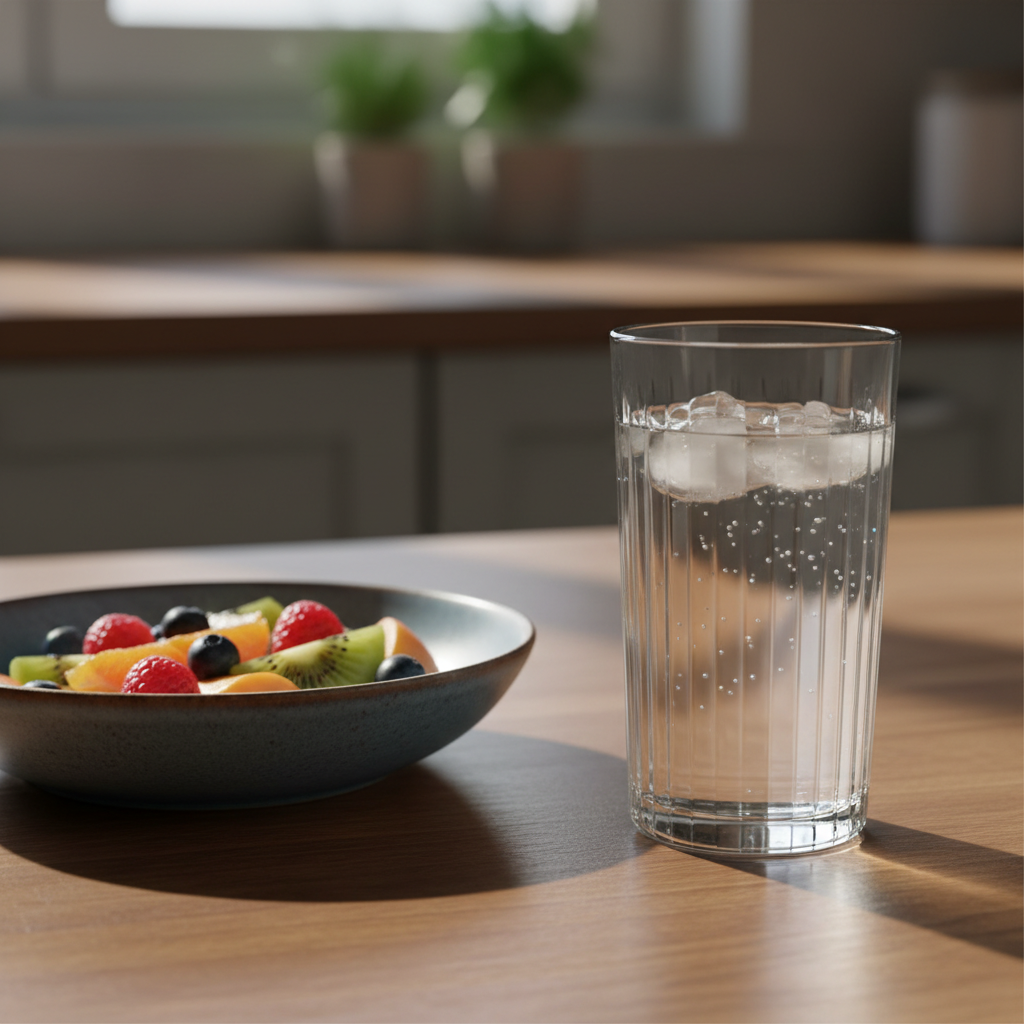
If we fill both with water up to the very top, the tall, skinny glass will likely hold more water because it's taller. It has a larger capacity. The short, wide bowl will hold less water. It has a smaller capacity.
Here's another example:
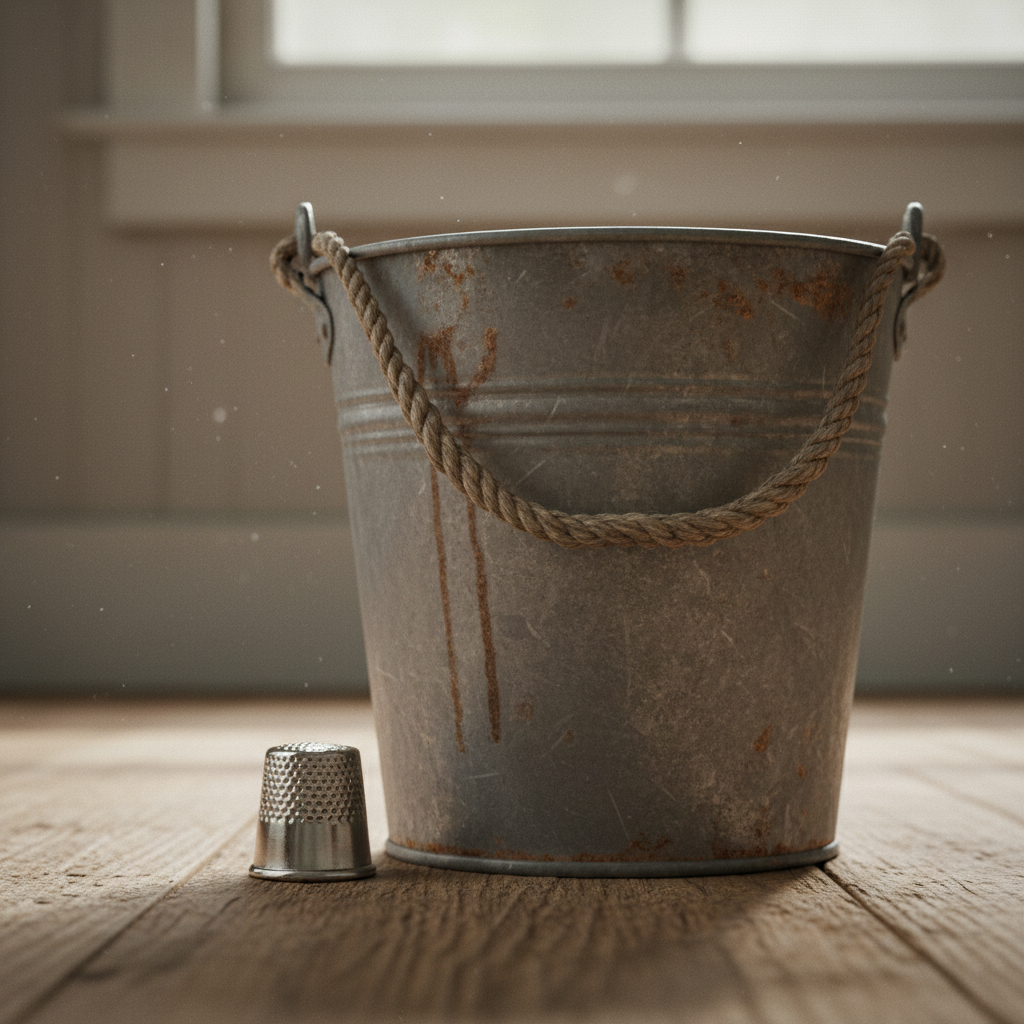
Imagine trying to fill a tiny little thimble with water. It only takes a tiny bit of water to fill it up, right? Now imagine filling a big, sturdy bucket. It takes SO much more water to fill the bucket! The bucket can hold more liquid. The thimble can hold less liquid.
Putting it all Together
Capacity is all about how much a container can hold. When we talk about 'more' or 'less' liquid, we are comparing the capacities of different containers. Containers that are bigger, taller, or wider usually have a larger capacity and can hold more liquid. Smaller, shorter, or narrower containers usually have a smaller capacity and hold less liquid.
Keep looking around your house and school! Can you spot containers that hold more liquid? Can you find some that hold less? You're becoming capacity experts!
Keep learning, free
Create a free Syllabax account to unlock practice questions and games for this topic.
Visual Learning Enhanced! 🚀
To help you master this topic, we use Advanced Syllabax AI to generate detailed diagrams and visual models.
Note on Visuals: The AI sometimes makes spelling errors in image labels. Please refer to the lesson text for the correct terminology.