World War I & II – causes, events & impact – World History
Watch this topic in 60 seconds
Free preview · Lesson 1
World War I & II – causes, events & impact – World History (Foundational)
World War I & II: Causes, Events, and Impact
Introduction
This lesson provides a foundational understanding of World War I and World War II. We will explore the primary causes that led to these global conflicts, examine key events that shaped their course, and discuss the significant impacts they had on the world.
World War I (1914-1918)
Causes of World War I
Several factors contributed to the outbreak of World War I:
- Militarism: European nations built up their armies and navies, creating an atmosphere of competition and suspicion.
- Alliances: Countries formed secret alliances for protection. These alliances meant that a conflict between two nations could quickly escalate into a larger war. Key alliances included the Triple Alliance (Germany, Austria-Hungary, Italy) and the Triple Entente (France, Russia, Great Britain).
- Imperialism: Competition for colonies and resources created tension among European powers.
- Nationalism: Strong feelings of pride and loyalty to one's country led to rivalries and territorial disputes.
Key Events of World War I
The war began with the assassination of Archduke Franz Ferdinand of Austria-Hungary in Sarajevo in 1914. Key events include:
- 1914: Germany invades Belgium, triggering a wider conflict. The Western Front becomes a stalemate, characterized by trench warfare.
- 1917: The United States enters the war after Germany resumes unrestricted submarine warfare and the Zimmerman Telegram is intercepted. Russia withdraws from the war due to the Russian Revolution.
- 1918: The Central Powers collapse, and Germany signs an armistice (ceasefire) on November 11, 1918.
Impact of World War I
World War I had a profound impact on the world:
- Loss of Life: Millions of soldiers and civilians died.
- Economic devastation: European economies were shattered.
- Political Changes: Empires collapsed, and new nations were formed. The Treaty of Versailles imposed harsh terms on Germany, contributing to resentment and instability.
- The League of Nations: An international organization formed to prevent future wars, but ultimately proved ineffective.
World War II (1939-1945)
Causes of World War II
Several factors led to the outbreak of World War II:
- The Treaty of Versailles: The treaty's harsh terms on Germany created resentment and economic hardship, paving the way for extremist ideologies.
- Rise of Fascism and Nazism: Totalitarian regimes in Italy (fascism) and Germany (Nazism) promoted aggressive nationalism and expansionism.
- Appeasement: The policy of appeasement, where Britain and France gave in to Hitler's demands in hopes of avoiding war, ultimately emboldened him.
- Japanese Expansionism: Japan's aggressive expansion in Asia created tensions in the Pacific.
Key Events of World War II
The war began with Germany's invasion of Poland in 1939. Key events include:
- 1939: Germany invades Poland, triggering declarations of war by Britain and France.
- 1940: Germany conquers much of Western Europe.
- 1941: Germany invades the Soviet Union. Japan attacks Pearl Harbor, bringing the United States into the war.
- 1944: D-Day, the Allied invasion of Normandy, marks the beginning of the liberation of Europe.
- 1945: Germany surrenders in May. The United States drops atomic bombs on Hiroshima and Nagasaki, leading to Japan's surrender in August.
Impact of World War II
World War II was the deadliest conflict in human history, with devastating consequences:
- Loss of Life: Tens of millions of people died, including civilians and soldiers.
- The Holocaust: The systematic genocide of Jews and other minority groups by the Nazis.
- The Cold War: The emergence of the United States and the Soviet Union as superpowers, leading to a period of tension and rivalry.
- The United Nations: An international organization formed to promote peace and cooperation among nations.
Keep learning, free
Create a free Syllabax account to unlock practice questions and games for this topic.
Visual Learning Enhanced! 🚀
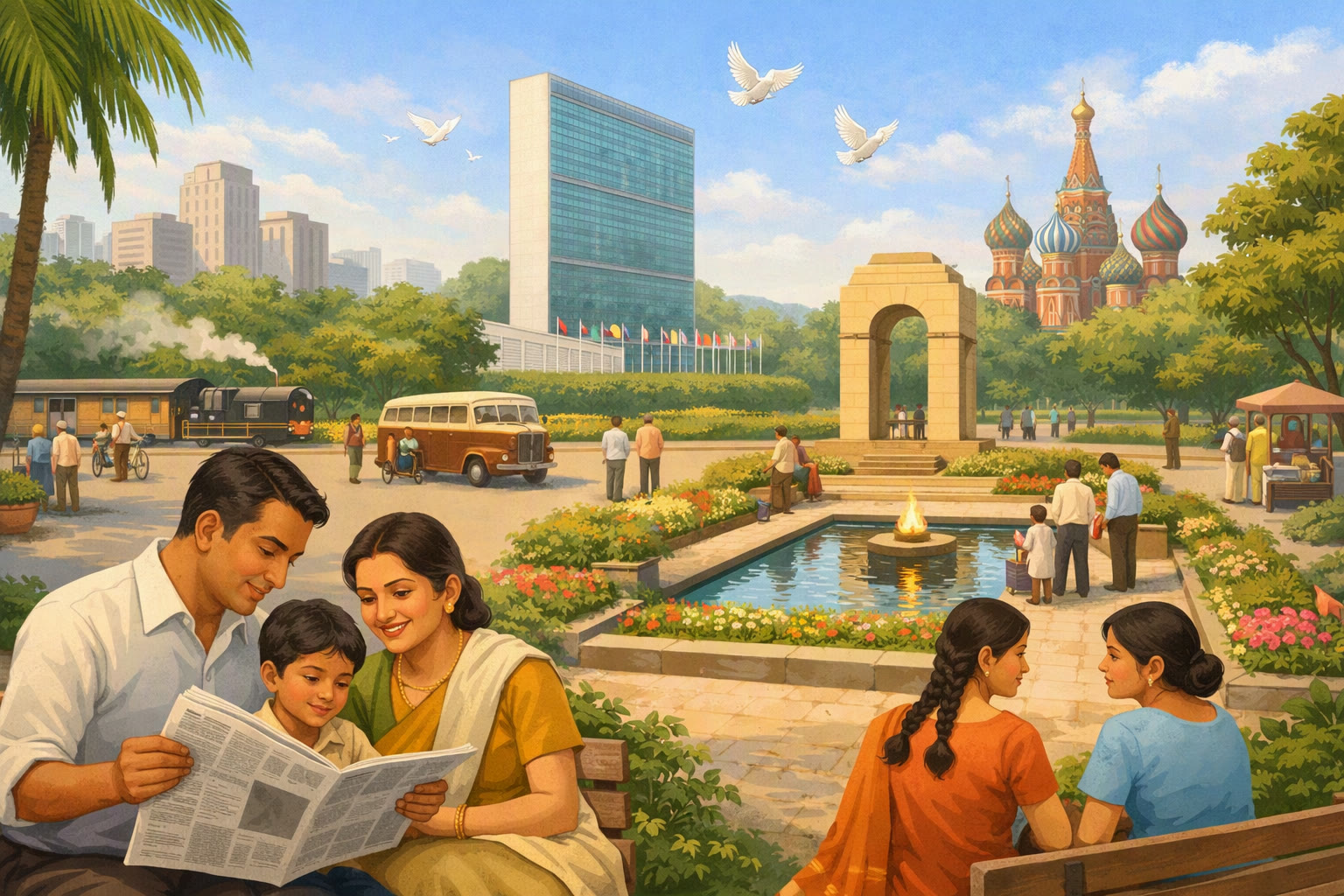
To help you master this topic, we use Advanced Syllabax AI to generate detailed diagrams and visual models.
Note on Visuals: The AI sometimes makes spelling errors in image labels. Please refer to the lesson text for the correct terminology.