Basic differences(Living & Non- Living Things )
Watch this topic in 60 seconds
Free preview · Lesson 1
Understanding Basic differences(Living & Non- Living Things )
Exploring Our World: Living vs. Non-Living Things!
Hello, young explorers! Have you ever looked around your room or stepped outside and noticed all the different things? There are so many!
Imagine your favorite toy car, a fluffy cat napping in the sun, a tall tree in the park, and a shiny rock you found. They all seem so different, right? Well, guess what? We can put almost everything in our world into two big groups: Living Things and Non-Living Things!
It's like having two big boxes. One box is for things that are alive, and the other box is for things that are not alive. Let's open these boxes and see what makes them special!
What Makes Something a Living Thing?
Living things are amazing! They have special abilities that non-living things don't. Think about yourself, your pet dog, or a beautiful flower. You are all living things! Here are the main things that make something a living thing:
-
Living Things Grow!
Do you remember being a tiny baby? You've grown so much since then! Your clothes got too small, and you learned new things. This is called growth. Living things get bigger and change over time.
Analogy: Think of a tiny seed. If you plant it and give it water and sunlight, it will grow into a big plant, maybe even a tree! A small kitten grows into a big cat. But your teddy bear, no matter how much you hug it, won't grow bigger all by itself.
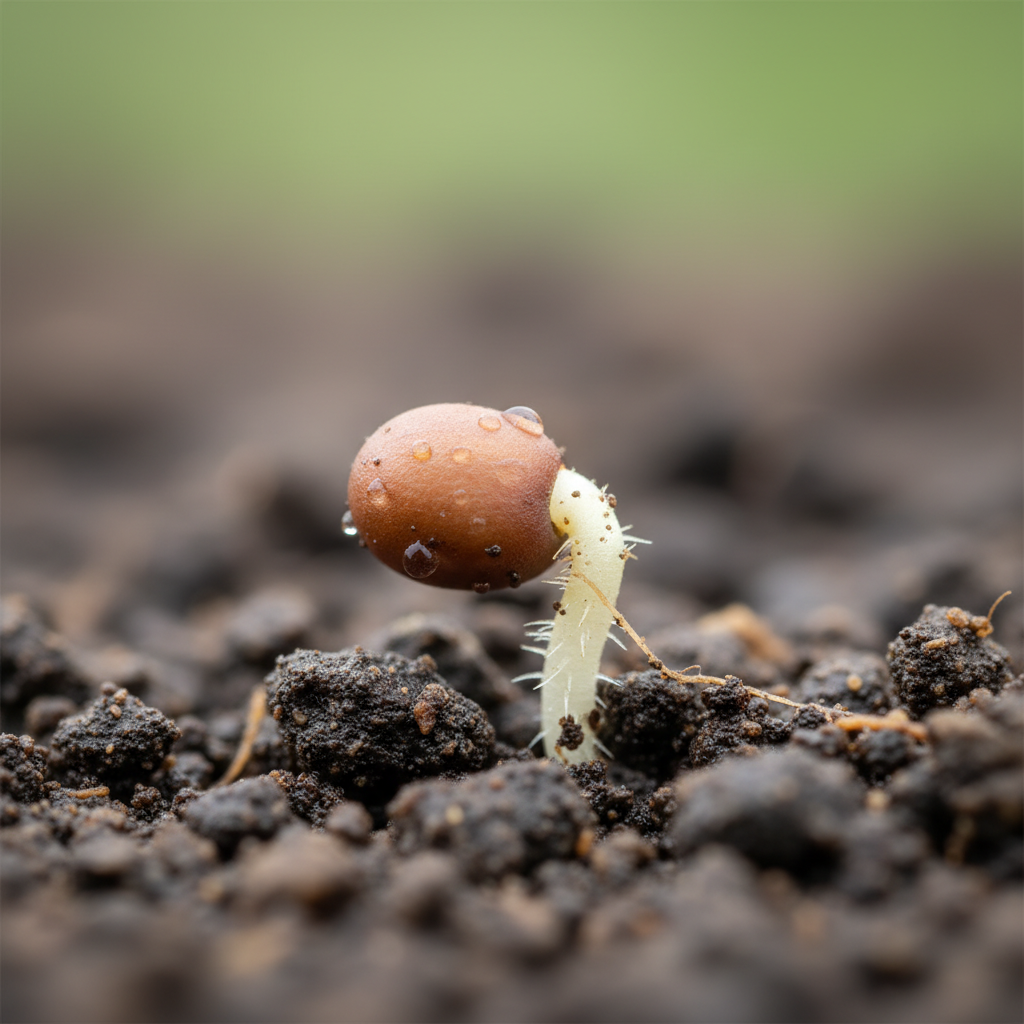 ⚠️ This picture may have spelling mistakes. Trust the words in the lesson.
-
Living Things Move!
You can run, jump, and play! Your cat can chase a toy mouse. Even plants move, though sometimes it's too slow for us to see easily. For example, a sunflower turns its head to follow the sun across the sky, and plant roots grow down into the soil.
Analogy: Imagine your bicycle. It can move, but only if you pedal it! A living thing, like a bird, can fly wherever it wants, all by itself. Non-living things usually need something else to move them.
-
Living Things Need Food, Water, and Air!
If you get hungry, you eat a snack. If you're thirsty, you drink some water. You also need to breathe air to live! All living things need food (or make their own food, like plants do with sunlight), water, and air to get energy and stay healthy.
Analogy: Think of a car. A car needs fuel (like gasoline) to run, and it needs air in its tires. But a rock doesn't need to eat or drink anything to exist.
-
Living Things Reproduce (Make More of Themselves)!
Living things can make new living things that are like them. A mommy and daddy cat can have kittens. A chicken lays eggs that hatch into chicks. A plant makes seeds that can grow into new plants.
Analogy: Your favorite toy action figure can't suddenly make another action figure just like it! But a real bunny can have baby bunnies.
-
Living Things Respond to Their Surroundings!
If you touch something hot, you quickly pull your hand away, right? That's you responding to something in your environment. If a plant doesn't get enough sunlight, its leaves might start to droop or turn yellow, showing it's unhappy. This means living things react to changes around them.
Analogy: If you feel cold, you might put on a sweater. But if a table feels cold, it doesn't do anything about it!
What Makes Something a Non-Living Thing?
Non-living things are everywhere too! Your desk, a pencil, your backpack, and the shoes you're wearing are all non-living things. They don't have the special abilities that living things do. Here's what you need to know about them:
-
Non-Living Things Don't Grow (on their own)!
Your building blocks don't get bigger by themselves. A mountain might change its shape over thousands of years due to wind and rain, but it's not growing like a plant or an animal.
-
Non-Living Things Don't Move (on their own)!
Your chair stays in one place until someone moves it. A ball won't roll unless you kick it or the wind blows it.
-
Non-Living Things Don't Need Food, Water, or Air!
You don't need to feed your bicycle, or give water to your books, do you? Non-living things don't need these things to exist.
-
Non-Living Things Don't Reproduce!
A plastic bottle can't make another plastic bottle. A rock can't have baby rocks.
-
Non-Living Things Don't Respond to Their Surroundings!
If it gets super cold, your toy car won't shiver. If it's very bright, your television won't blink. They don't react in the way living things do.
Some non-living things were once part of living things! For example, a wooden table was once part of a tree (a living thing). A leather belt was once part of an animal. Even though they came from living things, the table and the belt themselves are now non-living.
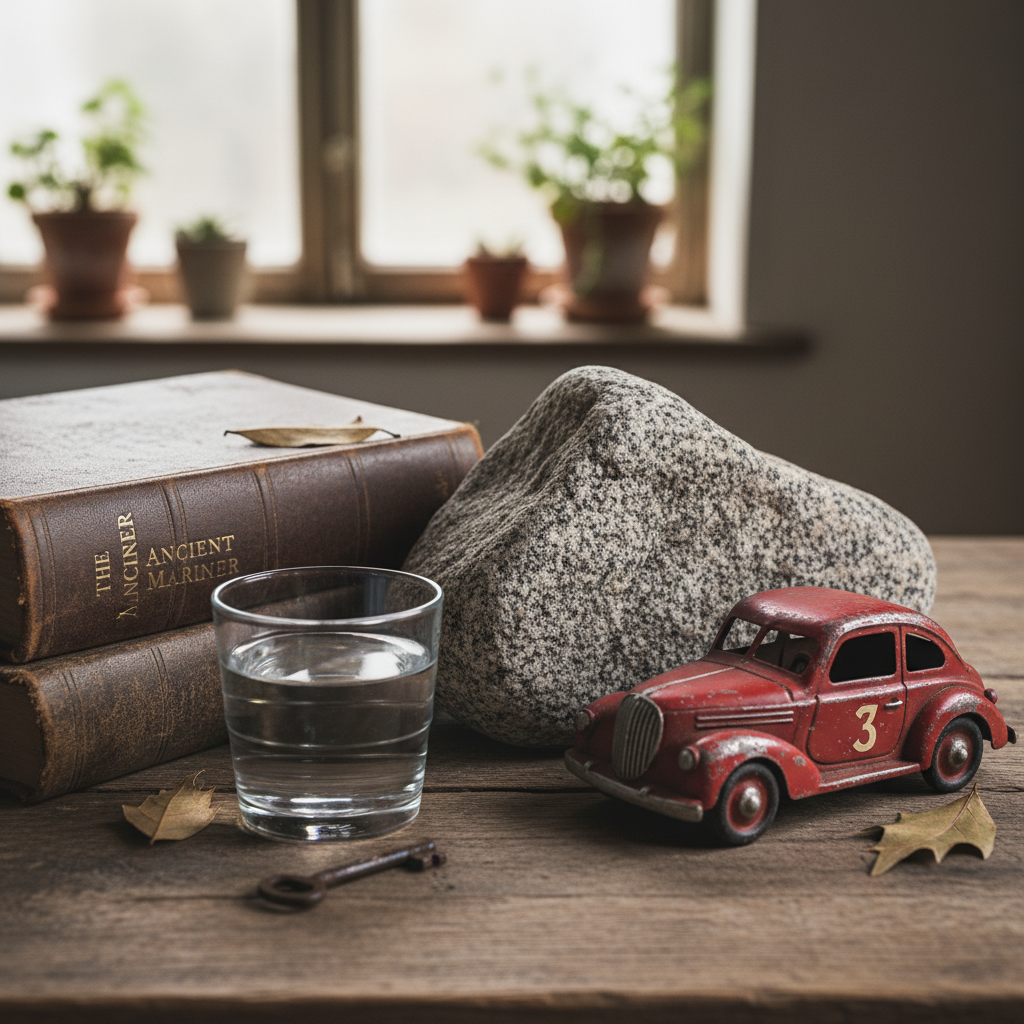 ⚠️ This picture may have spelling mistakes. Trust the words in the lesson.
Let's Practice!
Now that you know the differences, look around you! Can you tell what's living and what's non-living? It's like a fun detective game!
- A bird flying in the sky? Living!
- The clouds floating by? Non-living!
- A tiny ant crawling on the ground? Living!
- Your cozy blanket? Non-living!
Remember, living things are full of life and have special ways of growing, moving, needing things, making more of themselves, and reacting to the world. Non-living things are important parts of our world too, but they don't do these things on their own.
Keep exploring and discovering the amazing world of living and non-living things around you!
Keep learning, free
Create a free Syllabax account to unlock practice questions and games for this topic.
Visual Learning Enhanced! 🚀
To help you master this topic, we use Advanced Syllabax AI to generate detailed diagrams and visual models.
Note on Visuals: The AI sometimes makes spelling errors in image labels. Please refer to the lesson text for the correct terminology.