Renewable vs non-renewable (intro) (Energy)
Watch this topic in 60 seconds
Free preview · Lesson 1
Understanding Renewable vs non-renewable (intro) (Energy)
Energy Explorers: Renewable vs. Non-Renewable Power!
Hello, Future Energy Experts! Have you ever wondered what makes your toys move, how your lights turn on, or what powers the big bus that takes you to school? All these things need something called energy! Energy is like the 'juice' or 'fuel' that makes everything happen.
Think of it like this: just like you need food to have energy to run and play, cars need gasoline, and your house needs electricity to power your TV and computer. But where does all this energy come from? That's what we're going to explore today!
Our Two Big Energy Baskets
Imagine you have two special baskets for all the energy sources in the world. We'll call one the 'Never-Ending Basket' and the other the 'Limited Supply Basket'. These baskets help us understand the two main types of energy: Renewable Energy and Non-Renewable Energy.
Basket 1: Non-Renewable Energy (The Limited Supply Basket)
This basket holds energy sources that are like a special batch of cookies your grandma bakes. Once you eat them all, they're gone! It takes a very, very long time (millions of years!) for more to be made. That's why we call them Non-Renewable – 'non' means 'not', so they do 'not renew' quickly.
The main types of non-renewable energy are called fossil fuels. They got their name because they were formed from the remains of ancient plants and animals that lived millions of years ago. Over time, deep underground, heat and pressure turned them into the fuels we use today.
Think of it like making a really, really slow-cooked stew. You put the ingredients in, and then you have to wait millions of years for it to be ready! Once you eat the stew, you can't just snap your fingers and have more.
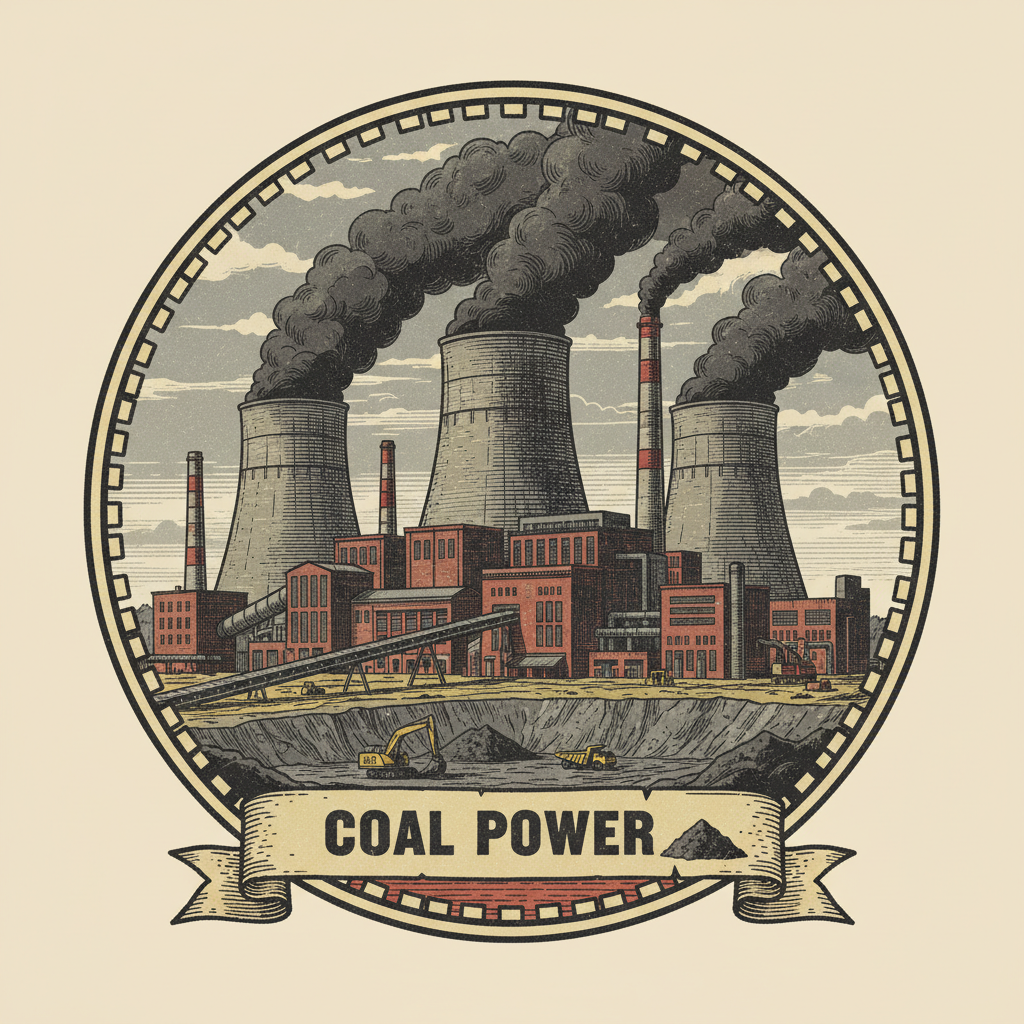
- Coal: This is like a black rock that we dig out of the ground. When we burn coal, it creates heat that can boil water, make steam, and spin big machines called turbines to make electricity.
- Oil (Petroleum): This is a thick, black liquid found deep underground. We use oil to make gasoline for cars and trucks, and also to make plastics and other things.
- Natural Gas: This is a gas, also found deep underground. It's often used to heat homes, cook food, and generate electricity.
The Good and The Not-So-Good: Fossil fuels are good because they give us a lot of energy when we need it, and they've been easy to get for a long time. But, there are only a limited amount of them. Also, when we burn them, they can release smoke and gases into the air that can be bad for our planet and make the air dirty, like when you see dark smoke coming from a chimney.
Basket 2: Renewable Energy (The Never-Ending Basket)
This basket holds energy sources that are like sunshine or the wind. They are always there, or they can be replaced very quickly! That's why we call them Renewable – they 'renew' themselves, or we can get more of them easily. It's like having a magic cookie jar that always refills itself!
These energy sources come from natural processes that happen all the time around us.
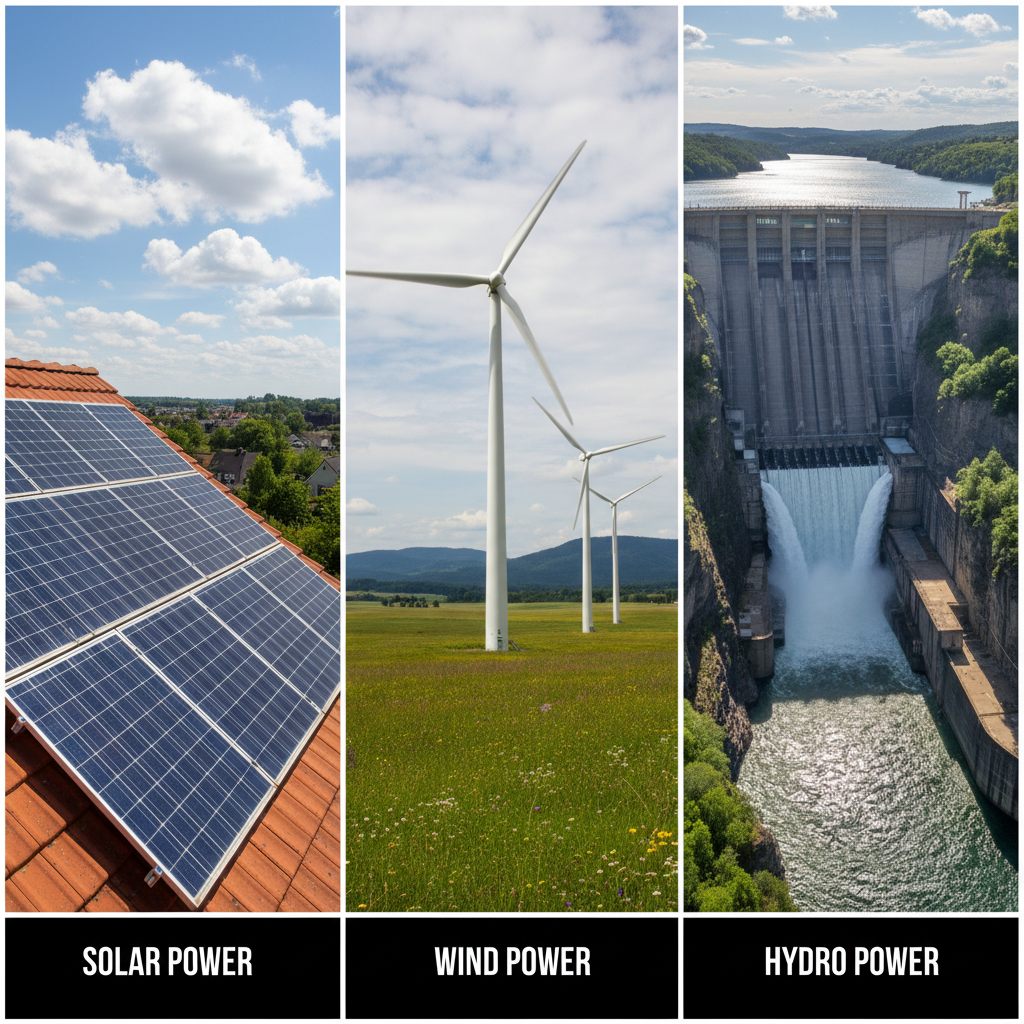
- Solar Energy (Sun Power): Imagine putting your hand in the sunshine. You feel warmth, right? That's energy from the sun! We use special panels called 'solar panels' to capture sunlight and turn it into electricity. It's like a giant phone charger for our homes, powered by the sun! The sun shines almost every day, so we can always count on it.
- Wind Energy: Have you ever seen a pinwheel spin when the wind blows? Wind turbines are like giant pinwheels! The wind pushes their big blades, which then spin a generator to make electricity. The wind blows all the time in many places, so it's always ready to help.
- Hydropower (Water Power): Think of a powerful river flowing downhill. That moving water has lots of energy! We build special dams that let water flow through them, turning big turbines to make electricity. It's like a giant watermill, but for electricity! As long as it rains and rivers flow, we'll have this energy.
- Geothermal Energy (Earth's Heat): Deep inside the Earth, it's very, very hot! This heat can be used to warm up water and create steam, which then spins turbines to make electricity. It's like the Earth is a giant, warm potato, and we're using its heat!
- Biomass Energy (Plant Power): This is energy from plants and animal waste. We can burn wood, corn, or even trash that used to be plants, to create heat and make electricity. It's like having a campfire, but on a much bigger scale to power homes!
The Good and The Not-So-Good: Renewable energy sources are amazing because they won't run out (at least not for a very, very long time!), and they usually create much less pollution. They help keep our air and planet cleaner! However, sometimes they depend on the weather (no sun on cloudy days, no wind on calm days), and building the places to collect this energy can take up space.
Why Does This Matter?
Understanding the difference between renewable and non-renewable energy is super important because it helps us think about our future and how we can take care of our amazing planet. Using more renewable energy helps keep our air clean and makes sure we have enough energy for a long, long time, for everyone!
It's like choosing between eating all your cookies at once (non-renewable) or having a magic cookie jar that keeps refilling (renewable)! Which one sounds better for the long run?
Let's Recap!
Energy is what makes things go! Some energy sources are limited and take millions of years to form (non-renewable, like fossil fuels), while others are constantly available or can be quickly replaced (renewable, like sun and wind). By learning about these, you're already helping to think about a brighter, cleaner future!
Keep learning, free
Create a free Syllabax account to unlock practice questions and games for this topic.
Visual Learning Enhanced! 🚀
To help you master this topic, we use Advanced Syllabax AI to generate detailed diagrams and visual models.
Note on Visuals: The AI sometimes makes spelling errors in image labels. Please refer to the lesson text for the correct terminology.