Basic differences (Living & Non-Living)
Watch this topic in 60 seconds
Free preview · Lesson 1
Understanding Basic differences (Living & Non-Living)
Living or Non-Living? Let's Become Super Scientists!
Hello, young scientists! Today, we're going on an exciting adventure to learn about everything around us. Have you ever wondered why your pet puppy is so different from your favorite toy car? Or why a tall tree is special compared to a big rock? The world is full of amazing things, and we can sort them into two big groups: Living Things and Non-Living Things!
What Does It Mean To Be ALIVE?
Living things are super special because they can do some incredible things all by themselves. Let's learn about their secret powers!
1. Living Things GROW!
Imagine your tiny baby picture. You started so small, and now look at you – you've grown so much! This is one of the biggest signs of a living thing. A small seed can grow into a giant sunflower, stretching taller and taller towards the sky. A tiny kitten grows into a big cat. This growth happens all by itself, from the inside out!
Analogy Time: Think about your shoes. When you were a baby, you wore little tiny shoes. Now you wear bigger ones! Did your old shoes grow bigger all by themselves? No way! You grew, and your shoes stayed the same size. That's because YOU are living, but your shoes are not.
2. Living Things MOVE!
Can you run, jump, or dance? Of course! Animals like birds fly, fish swim, and a squirrel can scamper up a tree in a flash. Even plants move slowly – their leaves turn to follow the sun, and their roots grow deeper into the soil to find water. They move on their own when they need to find food, escape danger, or reach sunlight.
Analogy Time: What about your toy car? It can zoom around, right? But does it move all by itself without you pushing it or without batteries? Nope! A living squirrel runs because it wants to, but your toy car needs help. That's another big difference!
3. Living Things Need FOOD and WATER (They Eat and Drink)!
You know how hungry you get after playing outside? Living things need food and water to get energy, just like a car needs gas to drive! Animals eat other plants or animals, and plants make their own food using sunlight. Water is super important for everyone!
Analogy Time: Imagine your favorite stuffed animal. Does it ever get hungry? Does it need a drink of water? No, because it's not alive. It doesn't need energy to grow or move or play like you do.
4. Living Things BREATHE!
Take a deep breath in... and out! You are breathing air right now. All living things need to breathe, although they might do it in different ways. We use our lungs, fish use gills to breathe in water, and plants take in a special kind of air through their leaves. Breathing helps them get the important gases they need to live.
Analogy Time: Look at a rock on the ground. Is it breathing? Can you see it taking air in or out? Of course not! Rocks don't need air to stay alive because they aren't alive.
5. Living Things Make Babies (They Reproduce)!
This is a super cool part of being alive! Living things can make more of themselves. A mother dog has puppies, a chicken lays eggs that hatch into chicks, and a tiny acorn can grow into a huge oak tree that will drop more acorns. This is how life keeps going on our planet!
Analogy Time: Can your building blocks make baby building blocks? Can your pencil make baby pencils? Nope! Only living things have this special ability to create new life.
6. Living Things Respond to Their Surroundings!
If you touch something hot, what do you do? You pull your hand away super fast! If a bright light shines in your eyes, you might blink. Plants even grow towards sunlight because they need it! Living things react to things around them like light, heat, touch, or sound. They feel and react to the world.
Analogy Time: Does your backpack flinch if you accidentally bump into it? No, it just stays there. But if you accidentally bump into a friend, they might say "Ouch!" or turn to look at you. Your friend is alive and can respond!
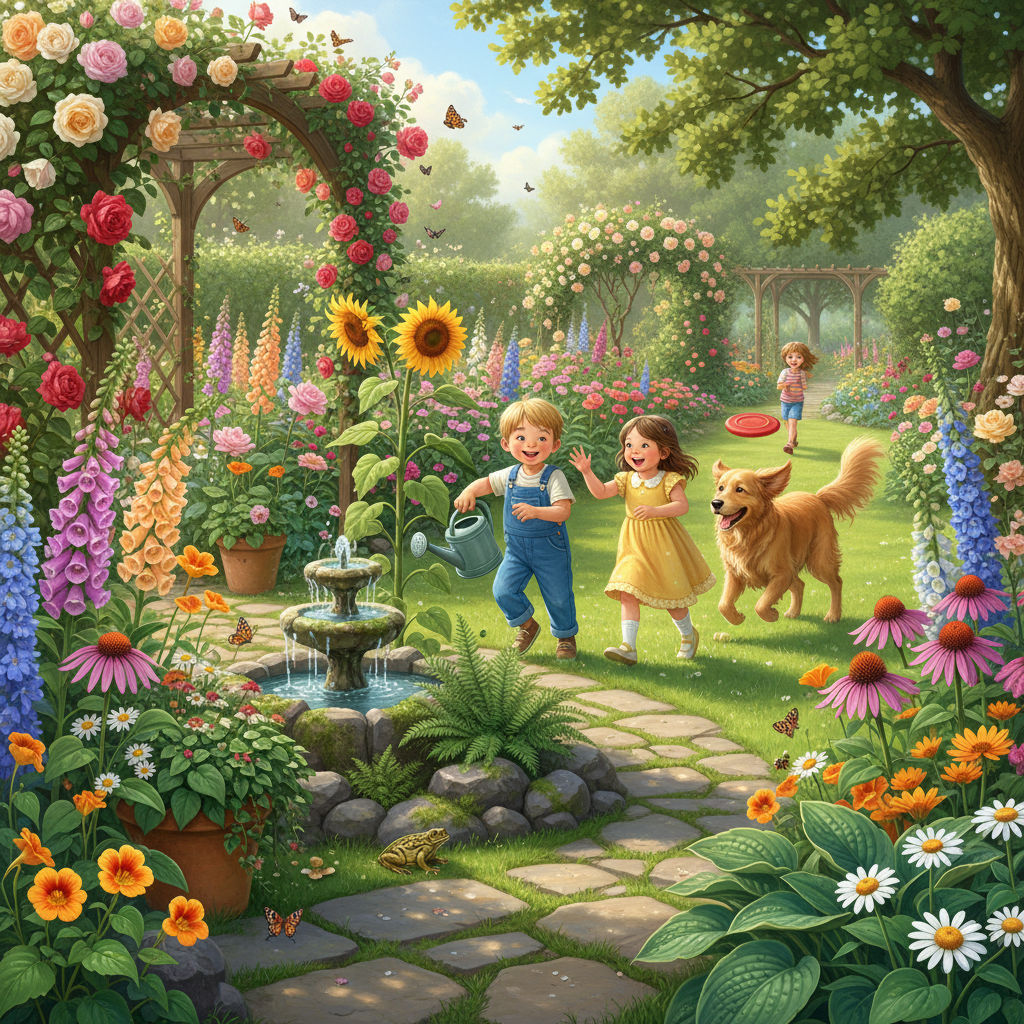
What About NON-LIVING Things?
Non-living things are basically everything else! They don't have those special "living powers." They don't grow by themselves, they don't eat or drink, they don't breathe, they don't move on their own, and they can't make babies. They are just... there!
Here are some examples of non-living things:
- Rocks, mountains, sand
- Water, clouds, air
- Toys, books, pencils, tables, chairs
- Cars, bicycles, buildings
- Even things that used to be alive, like a fallen log, or things made from living things, like a wooden chair or paper, are non-living now because they can't do the special things living things do.
Important Things to Remember About Non-Living Items:
Sometimes non-living things can trick us! A river moves, a ball rolls down a hill, or a robot toy can talk and walk. But remember, they don't do these things all by themselves from within. The river moves because of gravity, the ball rolls because you pushed it, and the robot needs batteries or someone to control it. They aren't doing it because they are alive and need to find food or shelter.
Let's Compare! Living vs. Non-Living
To make it super clear, let's put them side-by-side!
| What It Does | LIVING THINGS (Like You! Or a Plant!) | NON-LIVING THINGS (Like a Rock! Or a Toy!) |
|---|---|---|
| Grow? | Yes! Get bigger and change shape all by themselves. | No. They stay the same size unless something else changes them. |
| Move on its own? | Yes! Walk, run, fly, swim, or turn towards light. | No. Only moves if something else pushes or pulls it. |
| Need food and water? | Yes! To get energy to live and grow. | No. They don't get hungry or thirsty. |
| Breathe? | Yes! Take in air or other gases needed for life. | No. Don't need air to survive. |
| Make babies? | Yes! Can make more of their own kind. | No. Cannot create new life. |
| Respond to surroundings? | Yes! React to light, sound, touch, etc. | No. Don't feel or react internally. |
You're a Living Expert Now!
Wow! You've learned so much today. Now you can look at anything around you and ask yourself: "Does it grow? Does it need food? Does it breathe? Can it move by itself? Can it make babies?" If the answer is mostly YES, then it's probably a living thing! If the answer is mostly NO, then it's non-living.
Keep exploring and discovering the wonderful world around you!
Keep learning, free
Create a free Syllabax account to unlock practice questions and games for this topic.
Visual Learning Enhanced! 🚀
To help you master this topic, we use Advanced Syllabax AI to generate detailed diagrams and visual models.
Note on Visuals: The AI sometimes makes spelling errors in image labels. Please refer to the lesson text for the correct terminology.