Digital Citizenship: Being Responsible
Watch this topic in 60 seconds
Free preview · Lesson 1
Understanding Digital Citizenship: Being Responsible
Digital Citizenship: Being a Responsible Online Helper!
Hello, young explorers! Today, we're going to learn about something super important called Digital Citizenship. Have you ever heard of a 'citizen'? A citizen is someone who lives in a town or country and follows rules to make it a good place for everyone. Well, a digital citizen is like being a good citizen, but in the amazing world of the internet and computers!
Imagine the internet as a giant, magical playground or a huge town where people from all over the world can play, learn, and talk to each other. Just like in a real playground or town, we need rules to keep everyone safe, happy, and respectful. Being a responsible digital citizen means knowing and following these rules.
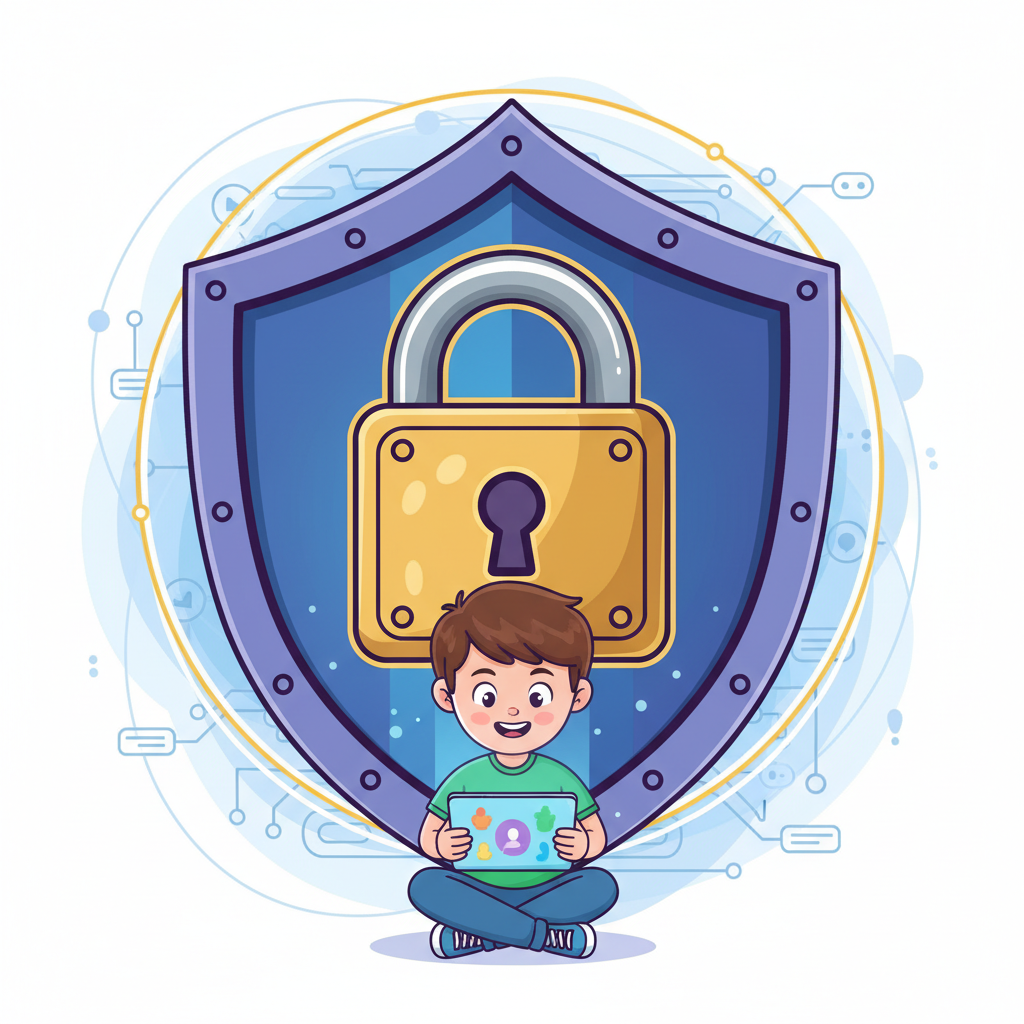
1. Keeping Your Super Secrets Safe! (Online Safety)
Think of your personal information like your favorite secret superhero identity or a hidden treasure map. Would you tell just anyone your secret identity or give them your treasure map? Probably not! The same goes for your information online.
What are your 'Super Secrets'?
- Your full name (not just your first name)
- Your home address (where you live)
- Your phone number
- The name of your school
- Your birthday
- Your passwords (for games or websites)
Analogy: Your password is like the special key to your secret clubhouse. Only YOU and a trusted grown-up (like your parent or teacher) should know that key. Never, ever give your clubhouse key to someone you don't know or trust completely, even if they promise you something cool online!
When you are online, it's super important to keep these 'Super Secrets' private. Never share them with anyone you don't know in real life, even if they seem friendly. People online aren't always who they say they are. Always ask a grown-up before sharing any information about yourself.
2. Being a Kind and Caring Online Friend! (Online Etiquette)
Remember the Golden Rule? “Treat others the way you want to be treated.” This rule is just as important in the online world as it is in the real world! When you're typing messages, comments, or playing games with others, imagine them sitting right next to you. Would you say something mean to their face? Probably not!
Think Before You Type!
Analogy: Imagine your words online are like invisible ink that never fades. Once you write something and click 'send' or 'post', it's out there for everyone to see, sometimes forever! It's much harder to erase words online than it is to erase words from a whiteboard. So, always pause and think: "Is this kind? Is this true? Is this helpful?" If the answer isn't a big YES, then maybe don't post it!
Always use kind words. Don't call people names or say mean things, even if you think it's a joke. Jokes can hurt feelings online, just like they can in real life. If someone says something unkind to you online, or if you see someone else being treated badly, don't try to fix it yourself. Tell a trusted adult immediately! They are there to help you.
Asking for Permission
Analogy: You wouldn't take a friend's toy without asking, right? Well, sharing someone's picture or story online without asking them first is a bit like taking their toy without permission. Always ask a friend or family member if it's okay to share their picture or information about them online. Their privacy is important too!
3. Being a Smart and Responsible Online Explorer! (Digital Literacy & Health)
The internet is full of amazing things to see and learn, but it's also like a giant library with lots of books – some are true, some are stories, and some might even be pretend. Being a smart explorer means knowing what's real and what's not.
What's Real? What's Fake?
Analogy: Just like you know a cartoon character isn't real, not everything you see or read online is true. Some websites might try to trick you, or some stories might be made up. If something online seems too good to be true, or if it makes you feel confused, always ask a grown-up to help you figure it out. They are like your trusty compass in the digital world!
Screen Time Balance
Using tablets, computers, and phones can be a lot of fun, but it's like eating your favorite dessert. A little bit is great, but too much isn't good for you! Being a responsible digital citizen means balancing your time online with other fun activities.
Analogy: Think of your day like a pie. You need slices for playing outside, reading books, doing homework, spending time with family, and getting enough sleep. A small slice can be for screen time, but it shouldn't take up the whole pie! Too much screen time can make your eyes tired and take away from other important things you need to do.

Reporting Bad Stuff
If you ever see something online that makes you feel scared, uncomfortable, or confused, or if you accidentally click on something you didn't mean to, don't keep it a secret! Immediately tell a trusted adult. They won't be angry; they will be proud that you came to them for help. They can help you fix the problem or report it so it doesn't bother anyone else.
Remember: Your Grown-Ups Are Your Best Helpers!
Always talk to your parents, guardians, or teachers if you have questions about something online, if you feel unsafe, or if you just want to share something cool you found. They are your best guides in this big digital world!
Being a responsible digital citizen means being safe, kind, and smart whenever you are online. You've got this!
Keep learning, free
Create a free Syllabax account to unlock practice questions and games for this topic.
Visual Learning Enhanced! 🚀
To help you master this topic, we use Advanced Syllabax AI to generate detailed diagrams and visual models.
Note on Visuals: The AI sometimes makes spelling errors in image labels. Please refer to the lesson text for the correct terminology.