Fraction as part of a whole (Fractions)
Watch this topic in 60 seconds
Free preview · Lesson 1
Understanding Fraction as part of a whole (Fractions)
Understanding Fractions: Parts of a Whole
Welcome, amazing learners! Today, we're going on an exciting adventure to explore the world of fractions. Don't let that big word scare you! Fractions are simply a way to talk about *parts* of something whole.
What is a Whole?
Imagine a delicious, perfectly round pizza. That whole pizza is one *whole* thing. Or think about a whole chocolate bar. It's all there, complete and undivided. In math, a 'whole' can be anything: one object, one group of objects, or even one measurement.
What is a Fraction?
Now, what happens when we cut that pizza into slices, or break that chocolate bar into pieces? Each slice or piece is a *part* of the whole pizza or chocolate bar. A fraction tells us exactly how many of those parts we have, compared to how many parts there were in total when the whole thing was together.
Meet the Fraction Family: Numerator and Denominator
Every fraction has two important numbers, like best friends, that live together. They are separated by a line.
The Bottom Number: The Denominator
This number is like the 'total number of pieces' or 'total number of parts' that make up the whole. Think of it as the 'down' number, because it's at the bottom. If you cut your pizza into 8 equal slices, the denominator is 8. It tells us how many equal pieces the whole pizza was divided into.
The Top Number: The Numerator
This number is like the 'number of pieces we have' or 'number of parts we're talking about'. Think of it as the 'up' number, because it's at the top. If you eat 3 slices of that 8-slice pizza, the numerator is 3. It tells us how many of those 8 slices you have (or ate!).
So, if you ate 3 slices out of an 8-slice pizza, the fraction would be 3/8. The 8 at the bottom tells us the pizza was cut into 8 equal slices, and the 3 at the top tells us you have 3 of those slices.
Analogies to Make it Clear!
The Birthday Cake Analogy
Imagine it's your birthday, and you have a beautiful, yummy cake! That whole cake is one whole.
- If you cut the cake into 4 equal slices for your friends, the denominator is 4.
- If you give 1 slice to your best friend, you have 1 slice. The numerator is 1. The fraction of the cake given to your friend is 1/4.
- If you then eat another slice, you now have 2 slices. The numerator becomes 2. The fraction you have eaten is 2/4.
- What fraction of the cake is *left* if you've eaten 2 slices out of 4? You have 2 slices left. So, 2/4 of the cake is left! Notice that 2/4 is the same as 1/2 – half the cake!
The Apple Analogy
Let's say you have one whole apple.
- You cut the apple into 2 equal halves. The denominator is 2.
- You eat one half. The numerator is 1. The fraction you ate is 1/2.
- What fraction of the apple is left? One half is left, so 1/2 is left.
The Group of Friends Analogy
Fractions aren't just for single items! They can also represent parts of a group.
Imagine you have a group of 5 friends playing together. This group of 5 friends is your 'whole' group.
- If 3 of your friends are wearing blue shirts, the 'whole' group is 5 (the denominator). The number of friends wearing blue is 3 (the numerator). So, 3/5 of your friends are wearing blue shirts.
- If 2 of your friends have brown hair, the 'whole' group is still 5 (the denominator). The number of friends with brown hair is 2 (the numerator). So, 2/5 of your friends have brown hair.
Visualizing Fractions
It helps a lot to see fractions! Let's look at some pictures.
Imagine a rectangle divided into 3 equal parts. The denominator is 3.
 ⚠️ This picture may have spelling mistakes. Trust the words in the lesson.
If we color in 1 of those parts, we have colored 1 out of 3 parts. The fraction is 1/3.
Now, imagine a circle divided into 6 equal slices. The denominator is 6.
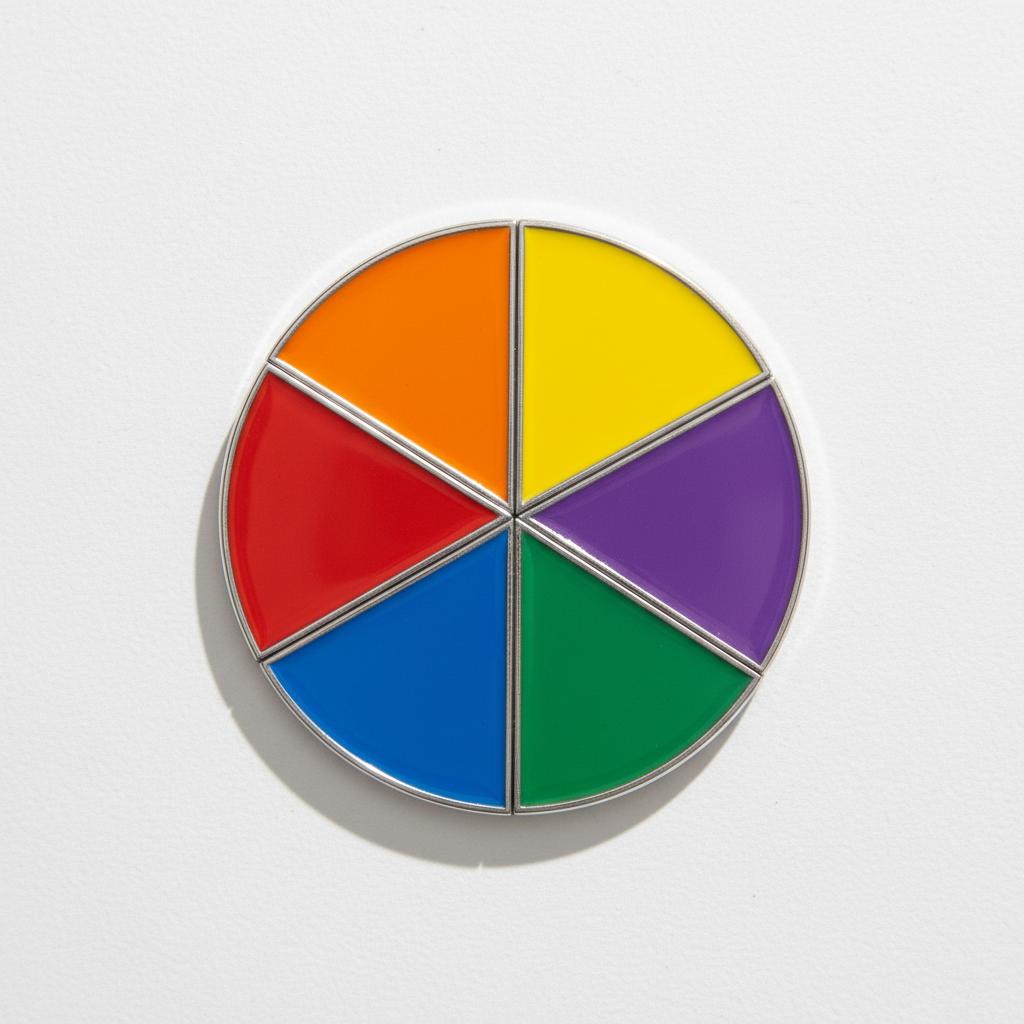 ⚠️ This picture may have spelling mistakes. Trust the words in the lesson.
If we shade 5 of those slices, we have shaded 5 out of 6 slices. The fraction is 5/6.
Key Concepts to Remember:
- A **whole** is the complete, undivided item or group.
- A **fraction** represents a part of that whole.
- The **denominator** (bottom number) tells us how many equal parts the whole is divided into.
- The **numerator** (top number) tells us how many of those parts we are considering.
Fractions are everywhere! From sharing snacks to measuring ingredients, they help us describe the world around us in precise ways. Keep practicing, and you'll become a fraction expert in no time!
Keep learning, free
Create a free Syllabax account to unlock practice questions and games for this topic.
Visual Learning Enhanced! 🚀
To help you master this topic, we use Advanced Syllabax AI to generate detailed diagrams and visual models.
Note on Visuals: The AI sometimes makes spelling errors in image labels. Please refer to the lesson text for the correct terminology.