Picture-based reasoning (HOTS)
Watch this topic in 60 seconds
Free preview · Lesson 1
Understanding Picture-based reasoning (HOTS)
Picture-Based Reasoning for Grade 1: Thinking Deeper!
Hello brilliant first graders! Today, we're going to become super detectives and learn how to look at pictures and think about them in a special way. This is called Picture-Based Reasoning, and it's like having a superpower for your brain! We're going to learn how to notice things that are not just right there, but also what they *mean*.
What is Picture-Based Reasoning?
Imagine you have a yummy cookie. Seeing the cookie is easy, right? Picture-based reasoning is like not just *seeing* the cookie, but also thinking about:
- Is it chocolate chip or plain?
- Did someone bake it?
- Is it time for a snack?
- Does it look soft or crunchy?
We use our eyes to see, but our brain to understand and think about what we see. Picture-based reasoning helps our brain do that even better, especially when we look at pictures.
Looking Closely: The Detective's First Step
Every great detective starts by looking very, very closely at the scene. For us, the "scene" is a picture! Let's pretend we are looking at a picture of a park.
What might we see? We might see:
- Green grass
- Tall trees
- Colorful flowers
- Swings and slides
- Children playing
- A blue sky with white clouds
This is like finding all the clues at the scene. We're noticing all the individual things in the picture.
Thinking Deeper: The Detective's Second Step
Now, a good detective doesn't just list the clues. They start to think about what the clues *mean*. Let's use our park picture again.
If we see children playing on swings and slides, what does that tell us?
- It's probably a playground.
- It's a place for fun!
- Maybe it's a sunny day, because people like to play outside when it's sunny.
This is called inferring. Inferring is like being a mind reader for pictures! You're guessing what's happening or why it's happening, based on what you see.
Analogies to Help Us Think!
Let's think about some fun ways to understand this:
1. The Birthday Party Analogy:
Imagine you see a picture with:
- Balloons
- A cake with candles
- Presents
- Happy faces
Looking closely, you see all these things. But what does it *mean*? You can *infer* that it's a birthday party! You didn't see the words "Birthday Party," but the clues (balloons, cake, presents) told your brain it must be one. You're using picture-based reasoning!
2. The Rainy Day Analogy:
Now, imagine a picture shows:
- Grey clouds
- Raindrops falling
- People holding umbrellas
- Someone wearing a raincoat
Looking closely, you see the rain and umbrellas. What can you *infer*? You can infer that it is a rainy day. You might also infer that people are trying to stay dry!
3. The Farm Animal Analogy:
Let's look at a picture with:
- A red barn
- A farmer
- Cows
- Chickens
- A tractor
Looking closely, you see all these things. What can you *infer*? You can infer that this picture is taken on a farm. You might also infer that the farmer is taking care of the animals.
Why is This Important?
Picture-based reasoning helps us:
- Understand stories better when we read books with pictures.
- Figure out what people are feeling by looking at their faces in photos.
- Be smarter problem-solvers by noticing how things fit together.
Let's Practice Being Super Detectives!
We will now look at some pictures and use our detective skills to figure out what they mean!
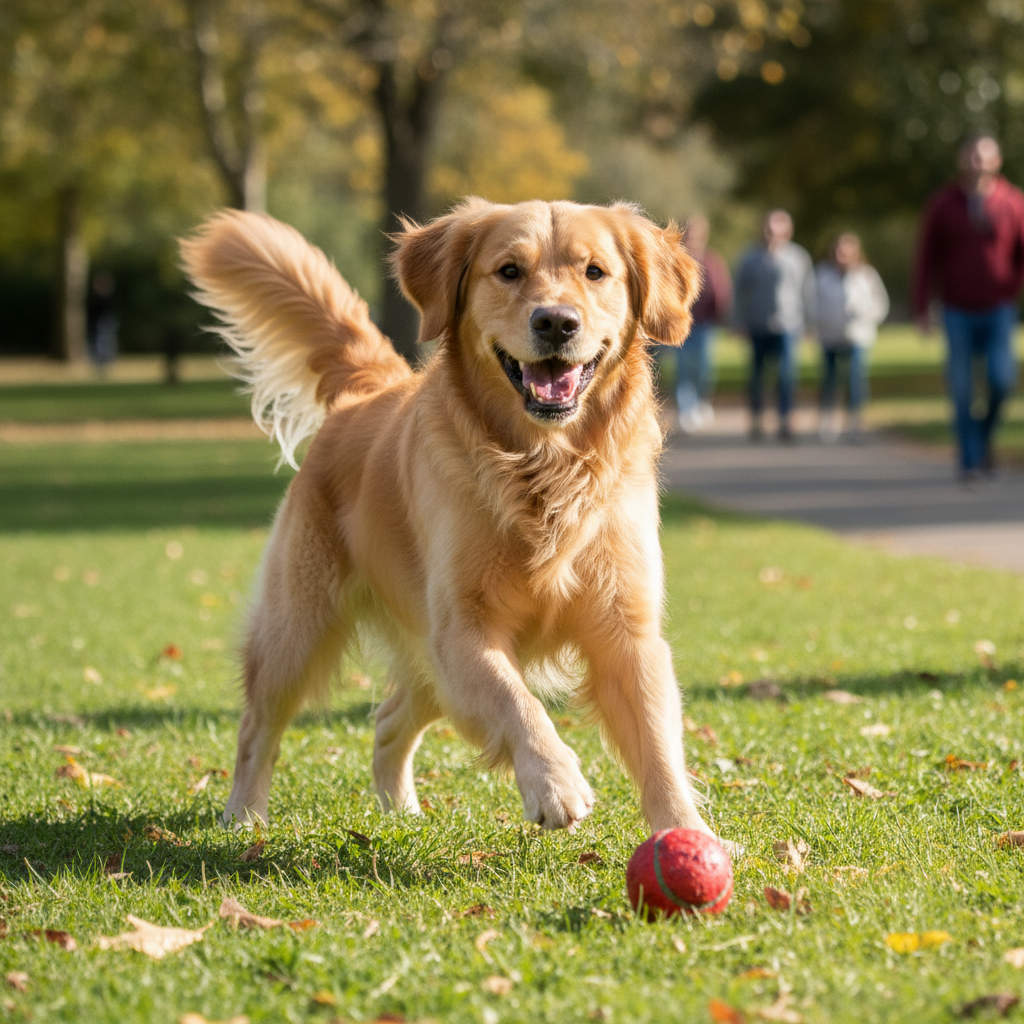 ⚠️ This picture may have spelling mistakes. Trust the words in the lesson.
Look at this picture. What do you see? What do you think the dog is feeling? Why do you think that?
Thinking: I see a dog. It has its tail up and is maybe panting a little with its tongue out. There's a ball. I can infer the dog is happy and wants to play!
Look at this picture. What do you see? What might the girl be doing? Why do you think so?
Thinking: I see a girl sitting quietly. She is holding a book open and looking at it. I can infer she is reading a book, and maybe she is learning something new or enjoying a story.
Putting It All Together
Remember, picture-based reasoning is all about:
- Looking closely at all the details in a picture.
- Thinking deeply about what those details might mean.
- Using clues to infer what is happening or why.
You are all amazing thinkers, and we will get even better at this with practice!
Keep learning, free
Create a free Syllabax account to unlock practice questions and games for this topic.
Visual Learning Enhanced! 🚀
To help you master this topic, we use Advanced Syllabax AI to generate detailed diagrams and visual models.
Note on Visuals: The AI sometimes makes spelling errors in image labels. Please refer to the lesson text for the correct terminology.