Learning Journey
Watch this topic in 60 seconds
Free preview · Lesson 1
Understanding Identify patterns in real life (HOTS)
Finding Patterns All Around Us! (Grade 1)
Hello Super Detectives! Today, we're going on a special adventure to find something amazing called a pattern. Patterns are like hidden clues that repeat over and over again. They are everywhere – in nature, in toys, in music, and even in our daily routines!
What is a Pattern?
Imagine you have a toy train. If you line up a red car, then a blue car, then a red car, then a blue car, you've made a pattern! The pattern is red, blue, and it repeats. It's like a little song that keeps playing the same notes again and again.
A pattern is something that repeats in a predictable way. Think of it like a secret code that nature uses to make things beautiful and organized.
Patterns in Nature
Let's look outside! Do you see flowers? Many flowers have petals arranged in a circle. Sometimes, they all have the same number of petals, like a sunflower with many small seeds arranged in spirals. The way the seeds grow can form a beautiful repeating pattern!
Have you ever seen a zebra? Zebras have stripes! They have black stripes, then white stripes, then black stripes, then white stripes. That's a clear pattern of black, white.
Think about a rainbow. After the rain, we sometimes see a rainbow in the sky. It has beautiful colors in a special order: red, orange, yellow, green, blue, indigo, and violet. This order of colors is a natural pattern!
Even the way leaves grow on a tree can be a pattern. Sometimes they grow on opposite sides of the branch, or they might all point in the same direction. These are all ways nature shows us patterns.
Patterns in Our Toys
Let's look at your toys! Do you have building blocks? If you stack them like this: red block, yellow block, red block, yellow block, you've made a pattern. It's a repeating sequence of red, yellow.
What about beads for making a necklace? If you string them like this: big bead, small bead, big bead, small bead, you're creating a pattern. The pattern is big, small.
Think about your stuffed animals. Maybe you line them up: bear, dog, bear, dog. The pattern is bear, dog.
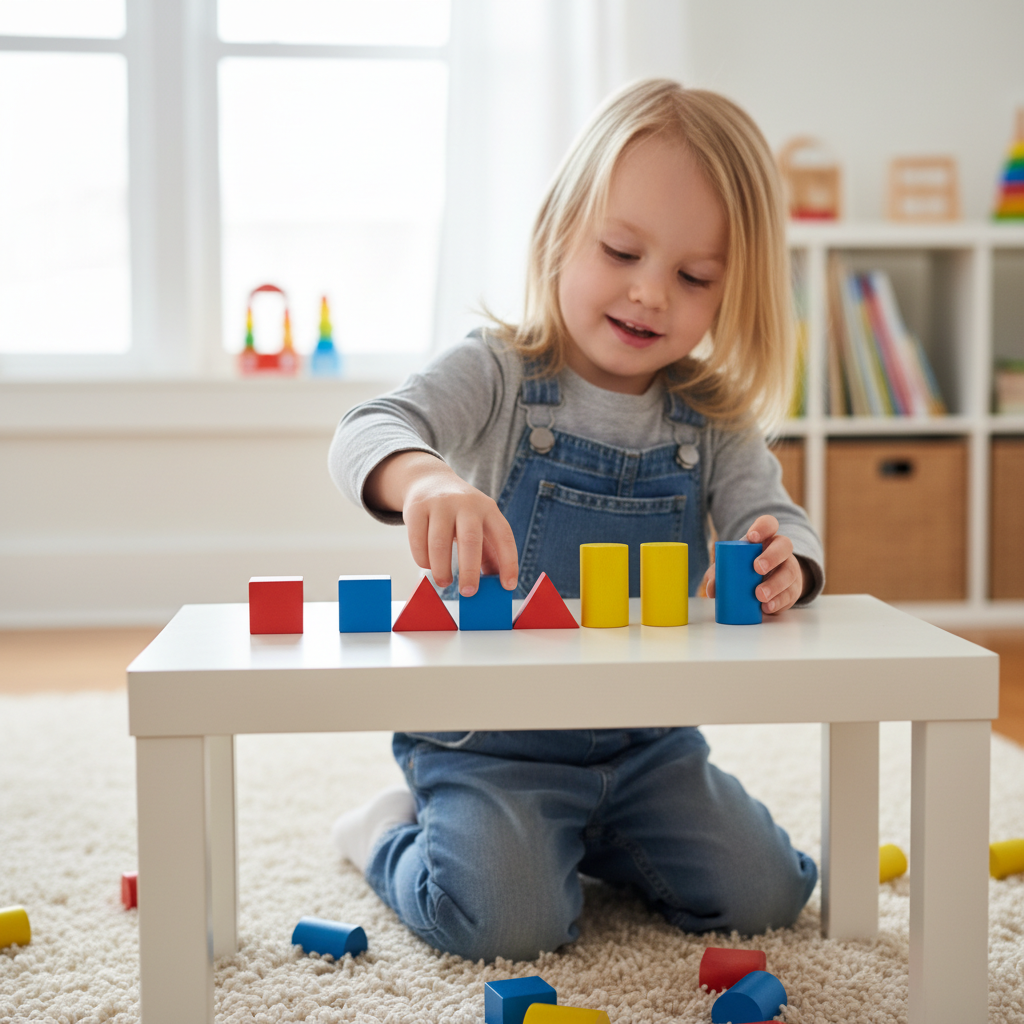
Patterns in Our Daily Life
Patterns aren't just in things we can see; they are also in things we do! Think about your day:
- Waking Up: You wake up, eat breakfast, brush your teeth, and get dressed. This is a pattern for your morning routine.
- Going to School: You might walk to school, or ride a bus. If you walk, you might pass the same big tree every day. The tree is part of your walking pattern.
- Nighttime: You eat dinner, play, take a bath, read a book, and then go to sleep. This is a pattern for your evening.
These are all routines, and routines are just patterns of actions that happen in a certain order. They help us know what to expect.
Why are Patterns Important?
Patterns help us understand the world around us. When we can spot a pattern, we can predict what might happen next. For example, if you see a red car, then a blue car, then a red car, you can guess that the next car might be blue!
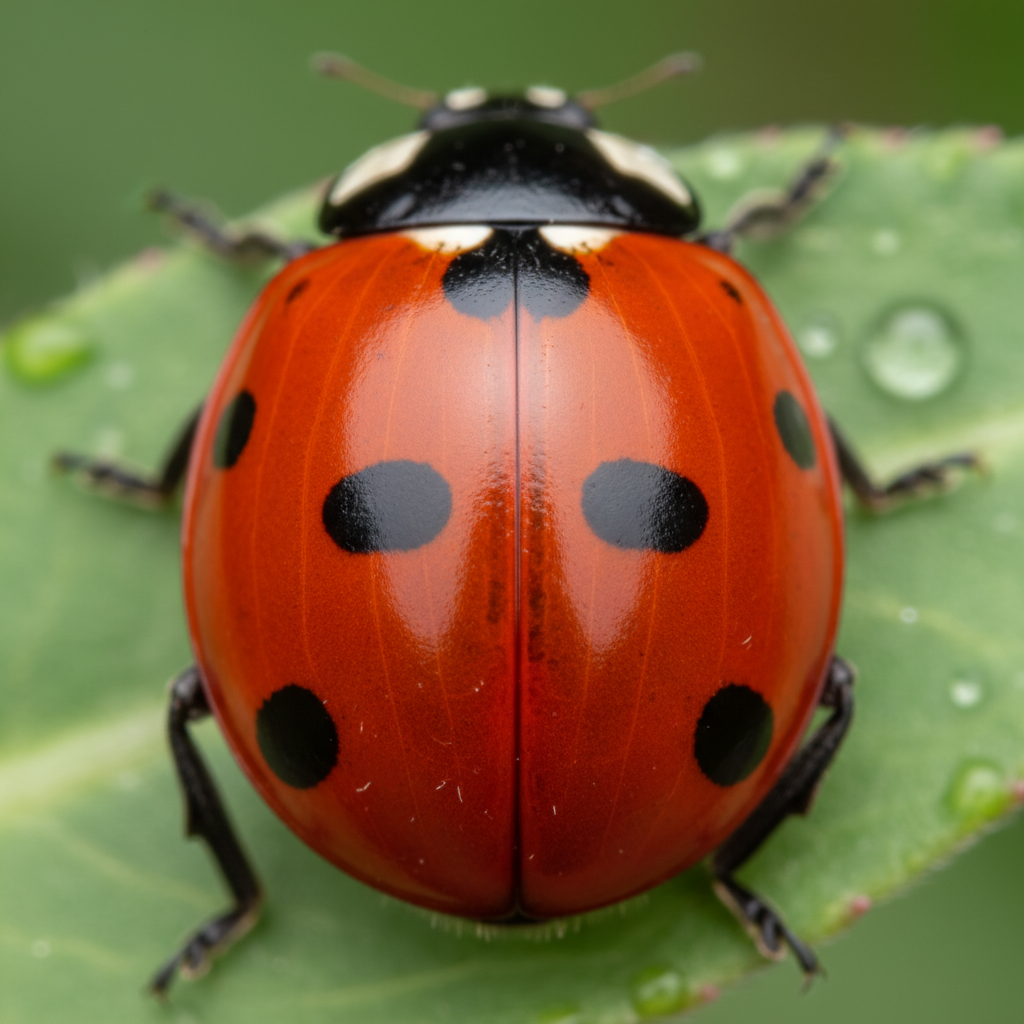
Patterns also make things interesting and beautiful. Think of the stripes on a tiger, the spots on a ladybug, or the way music repeats a catchy tune. These patterns make things memorable and fun.
Spotting patterns helps our brains grow stronger, just like exercising helps our bodies grow stronger. It makes us better thinkers and problem-solvers!
 ⚠️ This picture may have spelling mistakes. Trust the words in the lesson.
Let's Be Pattern Detectives!
Now it's your turn to be a pattern detective! Look around your home, in your classroom, or even when you're outside. Can you find any patterns? What do they look like? What repeats?
Remember, patterns can be in:
- Colors (red, blue, red, blue)
- Shapes (circle, square, circle, square)
- Sizes (big, small, big, small)
- Sounds (clap, stomp, clap, stomp)
- Actions (sit, stand, sit, stand)
Keep your eyes and ears open, and you'll discover that patterns are everywhere!
Keep learning, free
Create a free Syllabax account to unlock practice questions and games for this topic.
Visual Learning Enhanced! 🚀
To help you master this topic, we use Advanced Syllabax AI to generate detailed diagrams and visual models.
Note on Visuals: The AI sometimes makes spelling errors in image labels. Please refer to the lesson text for the correct terminology.