Learning Journey
Watch this topic in 60 seconds
Free preview · Lesson 1
Understanding Will It Happen? Certain or Uncertain
Will It Happen? Certain or Uncertain
Hello, young learners! Today we're going on a super fun adventure to explore things that happen in our world. Some things we know will ALWAYS happen, no matter what! Other things, we're not so sure about. They might happen, or they might not. We call these ideas "Certain" and "Uncertain."
What Does "Certain" Mean?
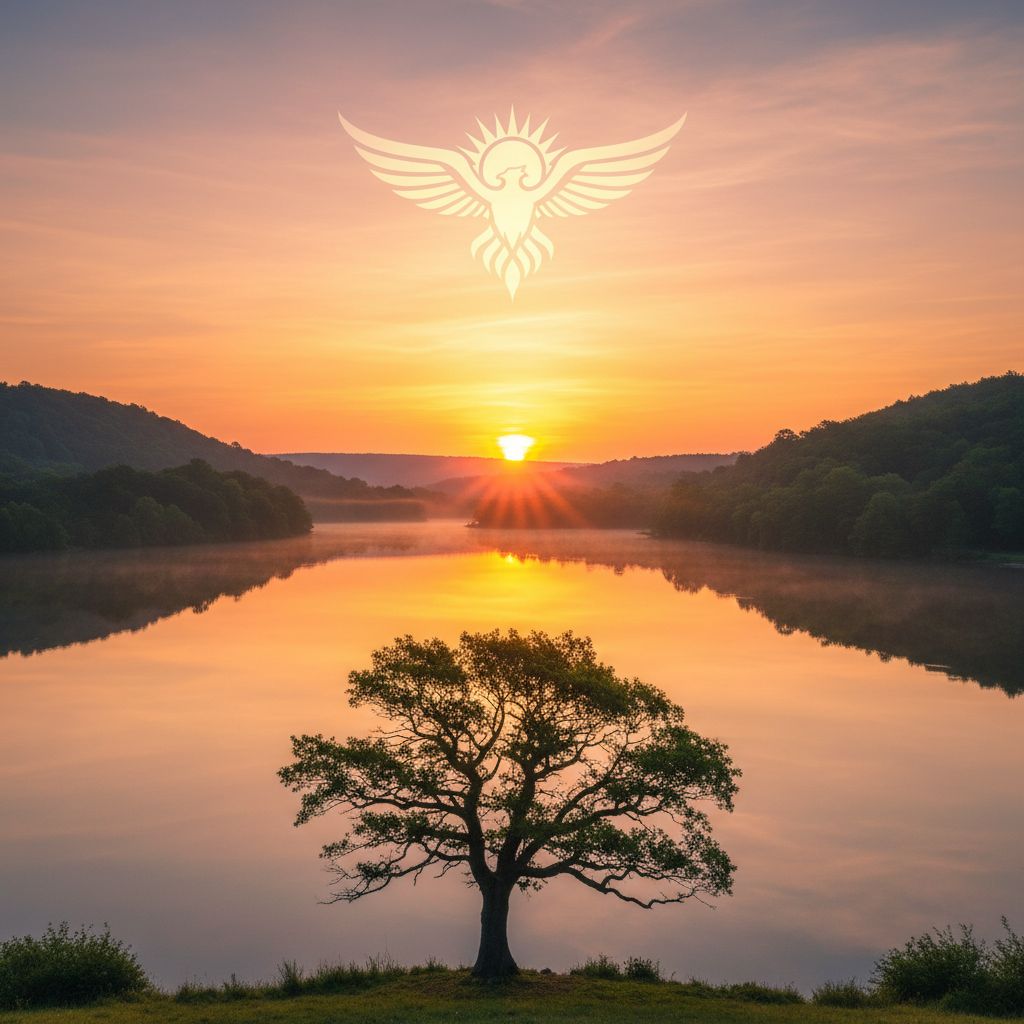
Imagine you have a magic crystal ball that can show you the future, and it tells you something WILL happen, for sure, without a doubt! That's what "certain" means. When something is certain, it means it is 100% going to happen. There is no way it won't happen. It's like a promise the world keeps every single time!
Think of it like this: If you drop your toy, what happens? It falls to the ground, right? It doesn't float up to the ceiling! That's because gravity is certain. It always pulls things down. So, "Your toy will fall down if you drop it" is a certain event.
Here are more examples of things that are certain:
- The sun will rise in the morning. (It always does!)
- Day will turn into night. (It's a never-ending cycle!)
- If you blow up a balloon and let it go without tying it, the air will come out and it will fly around. (Physics makes it certain!)
- Your birthday will come once every year. (It's on the calendar!)
These things are like super strong rules that the world follows every single time. We can count on them!
 ⚠️ This picture may have spelling mistakes. Trust the words in the lesson.
What Does "Uncertain" Mean?
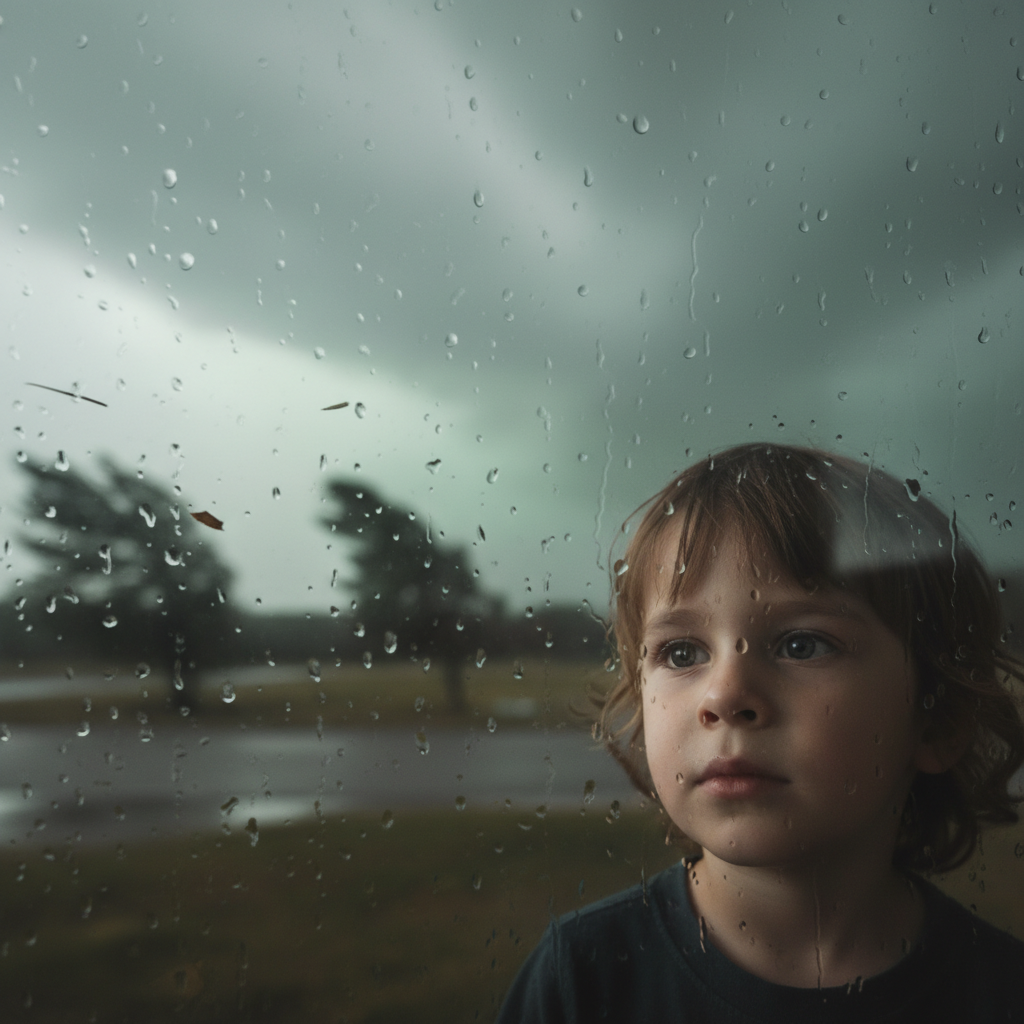
Now, let's think about that magic crystal ball again. What if it showed you something, but then it flickered and said, "Hmm, maybe it will happen, maybe it won't!"? That's what "uncertain" means. When something is uncertain, it means it might happen, or it might not happen. We don't know for sure.
Think of it like this: Imagine you look out the window. Will it rain today? Sometimes it rains, sometimes it doesn't. You can't be 100% sure just by looking right now! It's not a rule that it rains every day. So, "It will rain today" is an uncertain event.
Here are more examples of things that are uncertain:
- Your friend will come over to play tomorrow. (They might be busy, or they might get sick.)
- You will have pizza for dinner tonight. (Mom or Dad might decide on something else!)
- The ice cream truck will drive down your street today. (It might, or it might not, you can't be sure!)
- You will find a shiny penny on the sidewalk today. (It's possible, but not guaranteed!)
Uncertain things are like surprises! Sometimes they happen, sometimes they don't. We have to wait and see.
Comparing Certain and Uncertain: A Fun Game!
Let's play a game! I'll say something, and you think: Is it CERTAIN or UNCERTAIN?
- You will blink your eyes today.
This is CERTAIN! We all blink many, many times every day to keep our eyes healthy.
- A butterfly will land on your nose today.
This is UNCERTAIN! It might happen if you're very lucky and a butterfly is nearby, but it's not something that happens every day or to everyone.
- A dog will bark.
This is UNCERTAIN! Dogs bark, but not all dogs bark all the time, and you might not hear one today.
- A dog is an animal.
This is CERTAIN! A dog is always an animal. That's what it is!
Why Is It Important to Know the Difference?
Knowing if something is certain or uncertain helps us understand the world around us better! It helps us:
- Plan: If we know the sun will rise (certain), we know to get ready for a new day! If we know it *might* rain (uncertain), we can decide to bring an umbrella just in case.
- Not worry too much: If something is uncertain, we know we can't control it, so we don't have to worry if it doesn't happen.
- Be surprised! The uncertain things make life exciting because we don't know exactly what will happen next.
So, next time you see something happen or think about something that might happen, ask yourself: Is it CERTAIN, or is it UNCERTAIN? You're becoming a super smart observer of the world!
Keep learning, free
Create a free Syllabax account to unlock practice questions and games for this topic.
Visual Learning Enhanced! 🚀
To help you master this topic, we use Advanced Syllabax AI to generate detailed diagrams and visual models.
Note on Visuals: The AI sometimes makes spelling errors in image labels. Please refer to the lesson text for the correct terminology.