Recognizing hot objects (Hot and Cold)
Watch this topic in 60 seconds
Free preview · Lesson 1
Understanding Recognizing hot objects (Hot and Cold)
Exploring Hot and Cold: A Safety Adventure!
Hello, young explorers! Today, we're going on an exciting adventure to learn all about things that are hot and things that are cold. This is a super important lesson because knowing the difference can keep you safe and sound!
What Does 'HOT' Mean?
Imagine the sun on a really sunny day. What does it feel like? Warm, right? But some things are much, much hotter than that! When something is HOT, it means it has a lot of energy and can feel very warm, or even burning, to your skin. Thinking about a yummy bowl of soup your grown-up just made? When it first comes off the stove, it's very hot! If you touch it too soon, it might hurt your fingers.
Here are some examples of things that are usually hot:
- The bright sun in the sky
- A stove burner after it's been on (even if it looks off!)
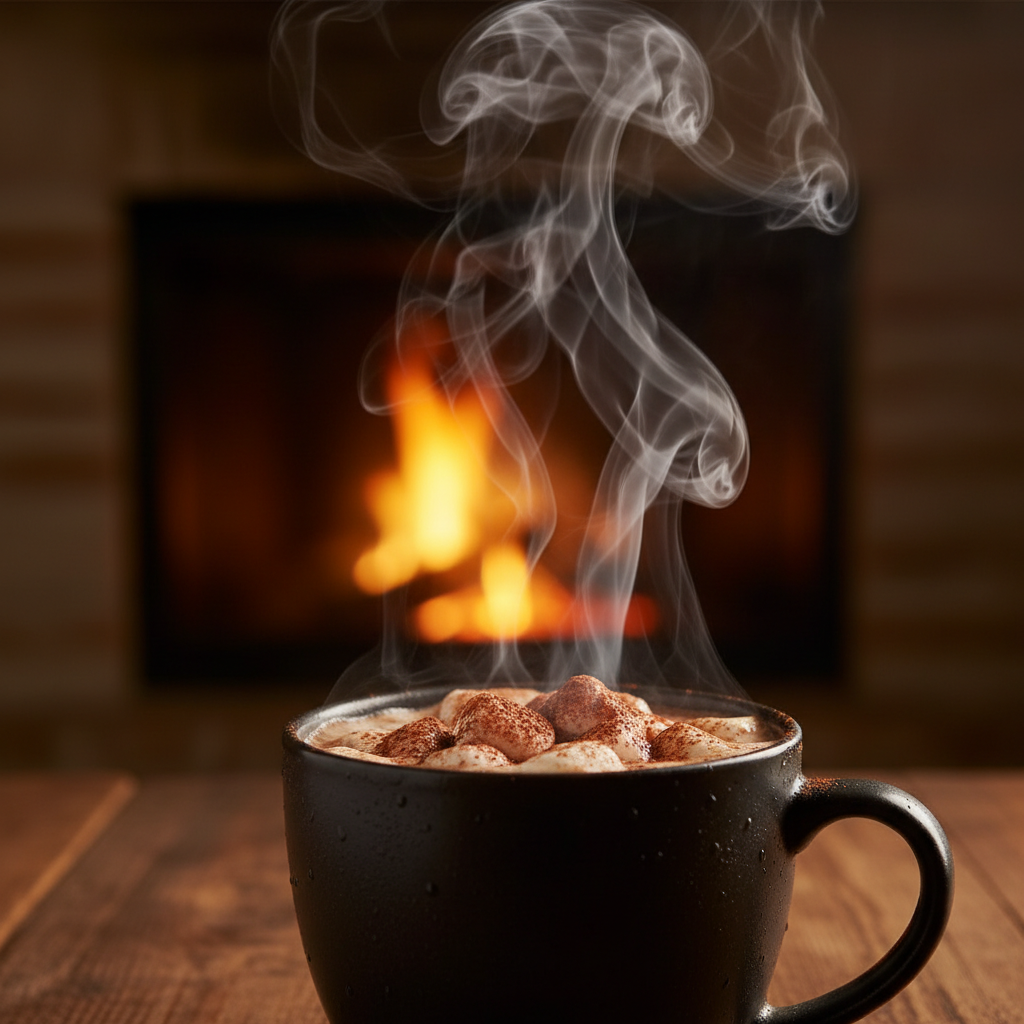
- A fire in a fireplace or a campfire
- A fresh cup of hot cocoa or tea
- An iron that grown-ups use to make clothes flat
Analogy Time! Think of a hot object like a tiny, friendly dragon that gets a little too excited and breathes out warm air. If you get too close to its fiery breath, it might sting a little. That's why we need to be very careful around hot things!
Safety First with Hot Things! Hot things can cause something called a 'burn'. A burn can make your skin hurt a lot and turn red, just like when you get a sunburn, but much worse. That's why it's super important to NEVER touch something that you think might be hot without asking a grown-up first! They will tell you if it's safe to touch or not.
 ⚠️ This picture may have spelling mistakes. Trust the words in the lesson.
What Does 'COLD' Mean?
Now, let's think about the opposite! What does it feel like when you hold an ice cube? Brrr! It's chilly, right? When something is COLD, it means it doesn't have much energy, and it can feel cool, brisk, or even freezing to your skin. If you hold an ice cube for too long, your fingers might start to feel very cold and a little uncomfortable.
Here are some examples of things that are usually cold:
- Ice cubes in a drink
- Snow in the wintertime
- The inside of a refrigerator or freezer
- A cold glass of milk or juice
- A cold rock or stone in the shade
Analogy Time! Imagine a cold object is like a fluffy polar bear's nose. It's soft, but oh-so-chilly! If you snuggle up to a polar bear's nose, you'll feel that refreshing coolness, but it won't hurt you like a hot object would. Holding something cold for a little while is usually okay and can even feel good on a hot day!
 ⚠️ This picture may have spelling mistakes. Trust the words in the lesson.
How Do We Tell the Difference? Our Super Sense of Touch!
Our amazing skin, especially on our hands and fingers, helps us tell if something is hot or cold. It's like having a special sensor! When you want to know if something is safe to touch, you can sometimes use your hand to feel the air above it, or gently, very gently, touch it with just the tip of one finger if a grown-up says it's okay. But remember, if it looks super hot (like a glowing stove or a fire), you should never, ever touch it!
Why Is It Important to Know About Hot and Cold?
Learning about hot and cold isn't just a fun game; it's a very important skill for staying safe. Knowing what's hot means you can avoid getting burned. Knowing what's cold means you can pick out the best snack from the fridge or enjoy a cool drink on a warm day. It helps you understand the world around you and how to interact with it safely.
Remember this rule: If you are ever unsure about whether something is hot, the best thing to do is to STOP, LOOK, and ASK a grown-up! They are there to help you stay safe!
Let's Review!
- Hot things can burn you and hurt your skin.
- Cold things feel chilly and can be refreshing.
- Our sense of touch helps us feel hot and cold.
- Always ask a grown-up before touching something that might be hot.
- Being smart about hot and cold keeps us safe and happy!
Keep learning, free
Create a free Syllabax account to unlock practice questions and games for this topic.
Visual Learning Enhanced! 🚀
To help you master this topic, we use Advanced Syllabax AI to generate detailed diagrams and visual models.
Note on Visuals: The AI sometimes makes spelling errors in image labels. Please refer to the lesson text for the correct terminology.