Learning Journey
Watch this topic in 60 seconds
Free preview · Lesson 1
Understanding Counting squares [Area (Intro)]
Exploring Area: Counting Squares!
Hello, young mathematicians! Today, we're going to become super sleuths and discover a new way to measure how much space something takes up. We call this 'area'. Think of area like the amount of carpet you need to cover a floor, or the amount of paint you need to color a picture. It's all about the flat space inside a shape.
What is Area?
Imagine you have a yummy cookie. The area of the cookie is the whole yummy, chocolate-chippy surface you can lick! It’s the space the cookie takes up on your plate. Area helps us measure how big that space is.
To measure area, we use special tools called 'square units'. Think of these like tiny, perfect squares. We can lay these little squares side-by-side to cover up a shape. The number of little squares it takes to cover the shape completely is its area!
Meet the Square Unit!
A square unit is like a tiny building block. It has four equal sides and four square corners. When we want to measure the area of something, we're essentially asking, 'How many of these little square building blocks can fit inside?'
Let's pretend we have a small, colorful rug. If we want to know its area, we can imagine covering it with square tiles. If 10 square tiles fit perfectly on the rug without any gaps or overlaps, then the area of the rug is 10 square units!
These square units can be different sizes. We might use tiny squares made of paper, or bigger squares made of wood. Whatever the size, as long as they are all the same, they help us measure area. For now, we'll imagine them as little, equal squares.
Counting Squares to Find Area
The easiest way to find the area of a shape is to draw it on graph paper (paper with lots of tiny squares already printed on it) or to use actual little square tiles.
Let's look at a simple rectangle. Imagine it drawn on graph paper:
This rectangle is made up of little squares:
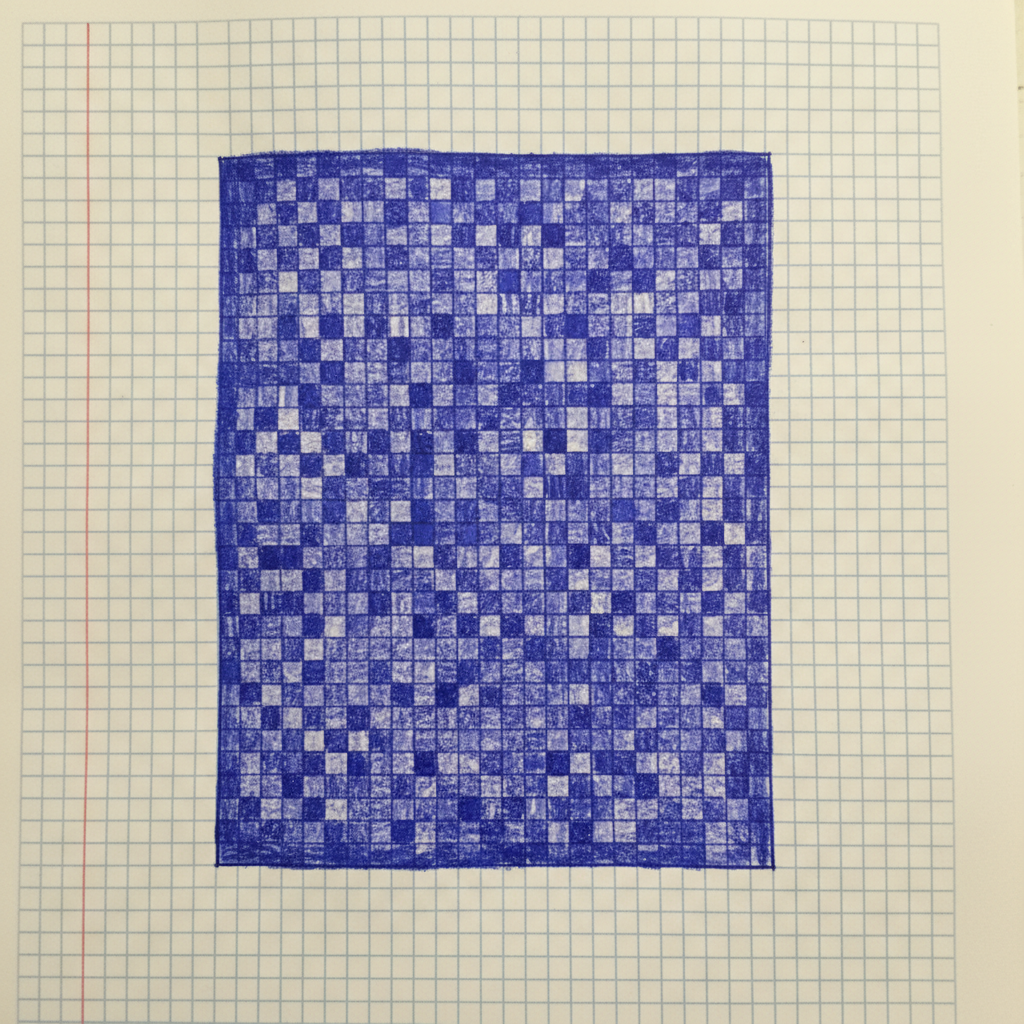
To find the area, we just count how many squares are inside the rectangle. Let's count them together:
- In the first row, there are 4 squares.
- In the second row, there are 4 squares.
- In the third row, there are 4 squares.
So, we have 3 rows of 4 squares. That means we have a total of 4 + 4 + 4 = 12 squares. Or, we can think of it as 3 groups of 4, which is 3 x 4 = 12!
The area of this rectangle is 12 square units.
Let's Try Another One!
Imagine a bigger square shape. This one is made up of smaller squares, like a checkerboard:
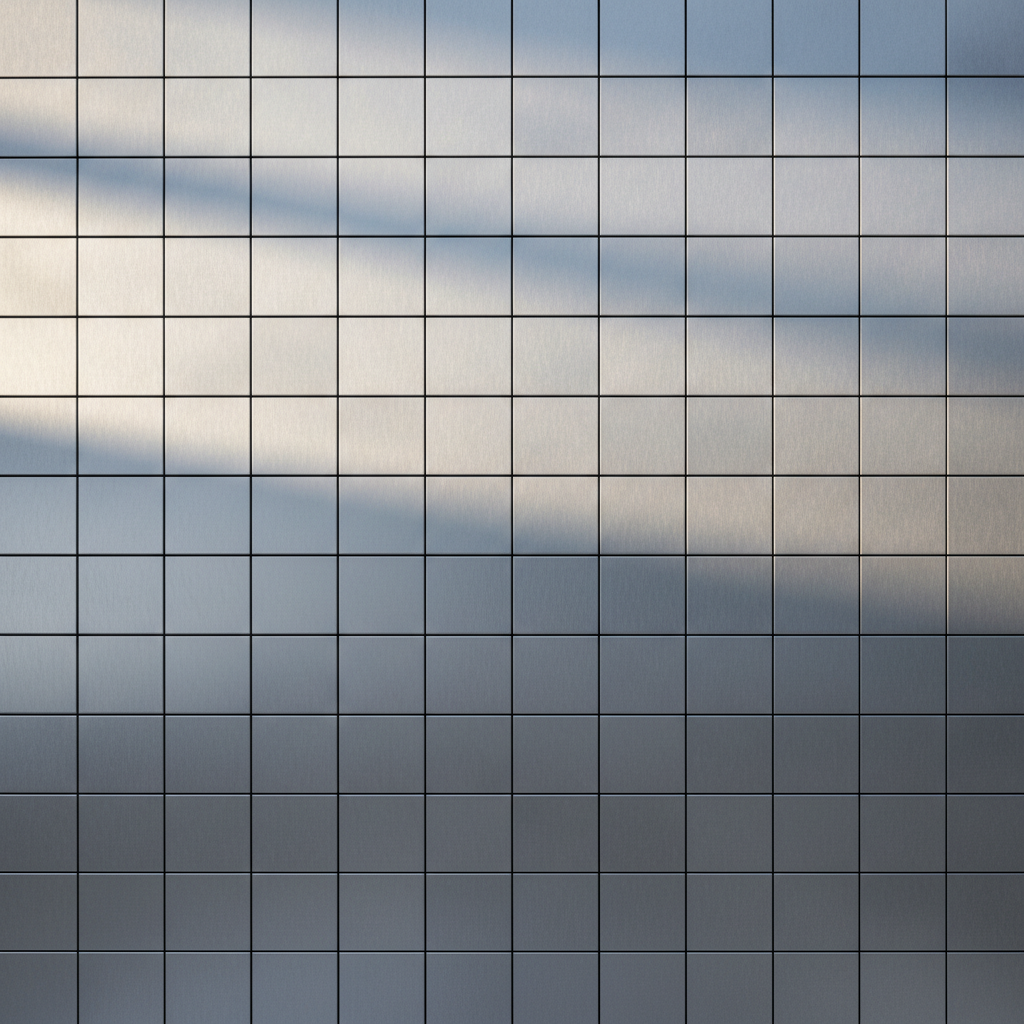
How many small squares do you think are inside this big square? Let's count!
- In the first row, there are 5 squares.
- In the second row, there are 5 squares.
- In the third row, there are 5 squares.
- In the fourth row, there are 5 squares.
- In the fifth row, there are 5 squares.
We have 5 rows, and each row has 5 squares. So, the total number of squares is 5 + 5 + 5 + 5 + 5 = 25 squares. Or, using multiplication, 5 groups of 5 is 5 x 5 = 25.
The area of this big square is 25 square units.
Why is Counting Squares Useful?
Counting squares is a fantastic way to start understanding area because it's visual and hands-on. It helps us:
- See the space: We can literally see the individual units that make up the area.
- Build a foundation: It prepares us for learning more about area using multiplication (like we saw with the rows and columns) and other formulas later on.
- Measure real things: We can use this idea to estimate the area of real objects, like the top of a table or a garden plot, by imagining covering them with square tiles.
Thinking About Shapes
Not all shapes are easy to cover perfectly with squares. For example, a circle doesn't have straight sides like a rectangle or a square. But for simple shapes with straight sides, counting squares is a great starting point!
Remember, area is the amount of flat space inside a shape. And the best way to measure it when you're starting is to count how many equal squares fit inside!
Keep practicing counting those squares, and you'll become an area expert in no time!
Keep learning, free
Create a free Syllabax account to unlock practice questions and games for this topic.
Visual Learning Enhanced! 🚀
To help you master this topic, we use Advanced Syllabax AI to generate detailed diagrams and visual models.
Note on Visuals: The AI sometimes makes spelling errors in image labels. Please refer to the lesson text for the correct terminology.