Basic Understanding of Indian Constitution– Indian Civics
Free preview · Lesson 1
Basic Understanding of Indian Constitution– Indian Civics (Foundational)
Basic Understanding of Indian Constitution – Indian Civics (Foundational)
Hello everyone! Today, we're going to explore something super important: the Indian Constitution. Think of it as the rulebook for our country, India! It tells everyone – from the government to the citizens – how things should be done.
What is a Constitution?
- A Constitution is a set of rules and laws that guide how a country is governed.
- It's like the instruction manual for running a country fairly and smoothly.
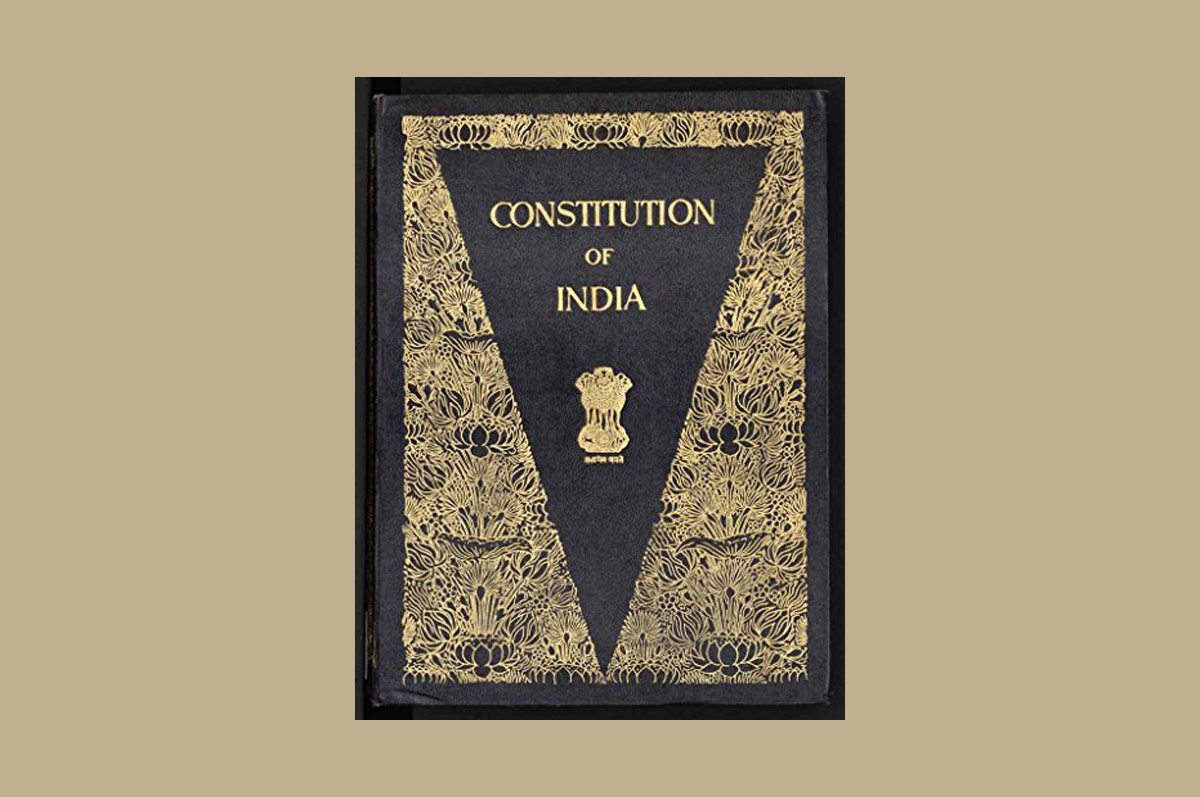 Why do we need a Constitution?
- Fairness: It ensures everyone is treated equally.
- Order: It helps maintain peace and order in society.
- Protection: It protects our basic rights.
Key Parts of the Indian Constitution
- Preamble: This is like the introduction to the Constitution. It states the goals and values of our country, such as justice, liberty, equality, and fraternity.
- Fundamental Rights: These are basic rights that every citizen has, like the right to freedom of speech, right to education, and right to equality. No one can take these away!
- Directive Principles of State Policy: These are guidelines for the government to follow when making policies, aiming for social and economic justice.
Important Words to Know
- Government: The group of people who run the country.
- Citizen: A person who legally belongs to a country and has rights and responsibilities there.
- Law: A rule that everyone in a country must follow.
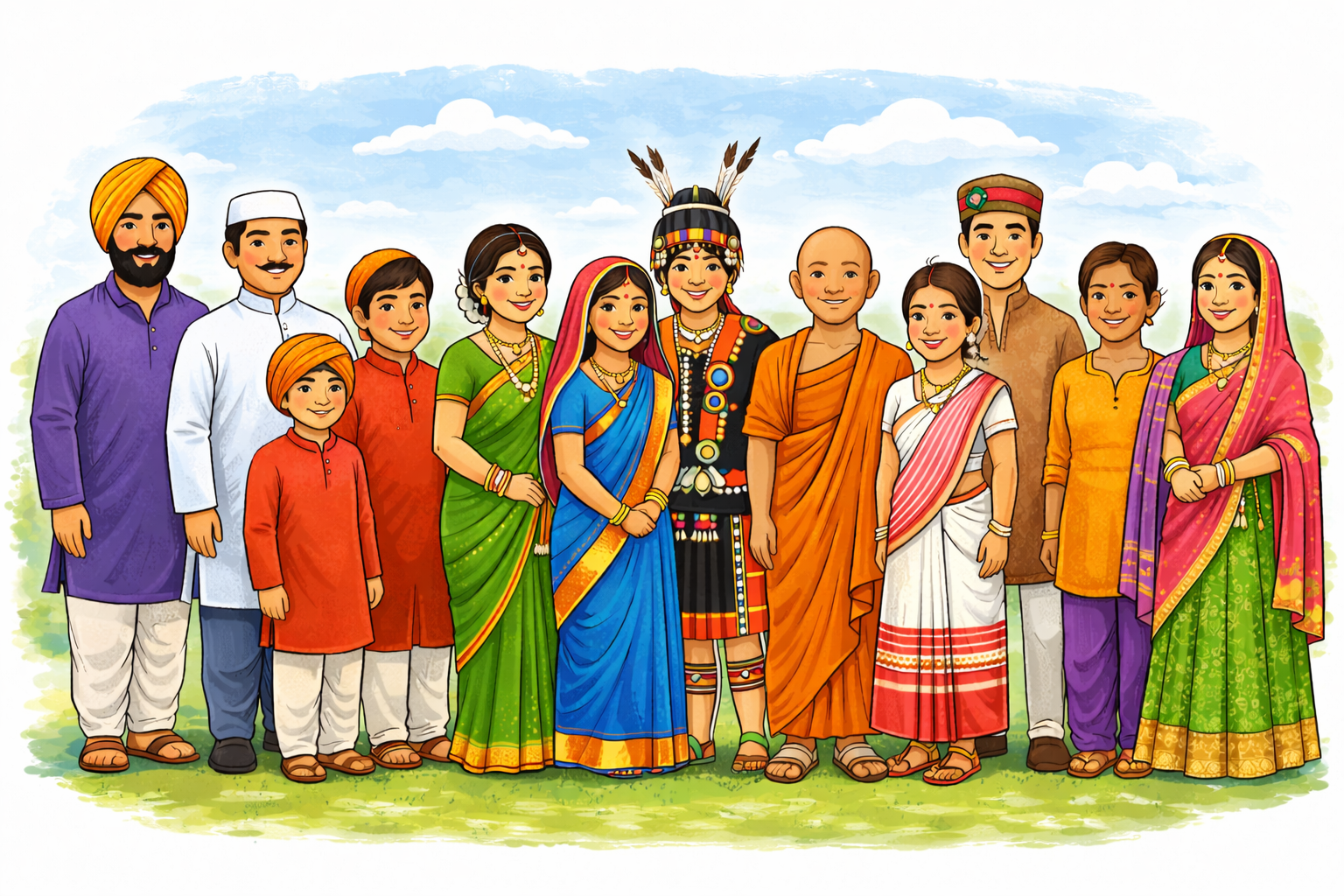 The Indian Constitution is a living document that is amended (changed) from time to time to reflect the needs of the people. It is a cornerstone of Indian democracy!
Keep learning, free
Create a free Syllabax account to unlock practice questions and games for this topic.
Visual Learning Enhanced! 🚀
To help you master this topic, we use Advanced Syllabax AI to generate detailed diagrams and visual models.
Note on Visuals: The AI sometimes makes spelling errors in image labels. Please refer to the lesson text for the correct terminology.