Learning Journey
Watch this topic in 60 seconds
Free preview · Lesson 1
Understanding Real-life measurement (school bag weight, classroom objects) (Life-Skill Mathematics)
Understanding How Much Things Weigh: A Fun Journey with Your School Bag!
Hello amazing learners! Today, we're going on an exciting adventure to explore something we do every day without even thinking about it: measuring weight. Imagine your school bag. Sometimes it feels super light, like a feather! Other times, it feels like a big, heavy rock. Why does it feel different? Because the things inside it have different weights!
What is Weight?
Weight is a way to describe how heavy or light something is. Think about a big, fluffy cloud. Is it heavy like a boulder, or light like a balloon? It's light, right? Clouds float because they aren't very heavy for their size. Now think about a big, shiny bowling ball. It's much heavier than a cloud, isn't it? That's because it has more 'stuff' packed into it!
Scientists and grown-ups use special tools to measure weight accurately. But even without those tools, we can learn to guess and compare weights. It's like being a detective for heaviness!
Our School Bag Detective Mission!
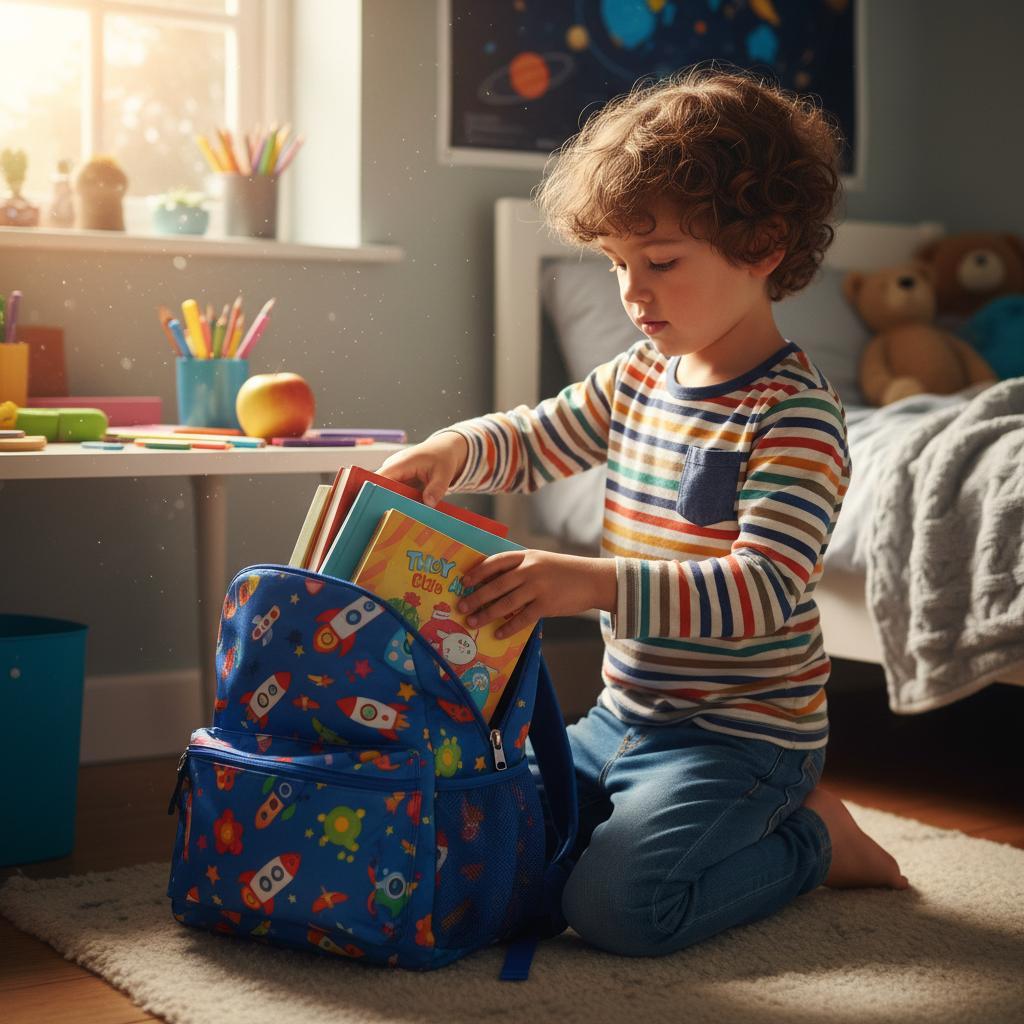
Let's start with your school bag. It's a perfect place to learn about weight because it carries so many different things!
Imagine this:
- A single pencil: It's super light, right? You can hold it easily in one finger.
- A stack of 100 pencils: Now, that would be much heavier! You might need both hands to lift it.
- Your lunchbox: It could be light if it only has a juice box and a small snack, or a bit heavier if it has a big sandwich and an apple.
- Your favorite book: Some books are thin and light, like a small comic. Others are thick and heavy, like a big storybook with lots of pages.
When you put all these things into your school bag, they add up! That's why sometimes your bag feels much heavier than other days. When you take out your books for homework, your bag might feel lighter again!
Comparing Weights: Heavier or Lighter?
We can compare the weights of different objects. Think about the classroom!
- A crayon vs. a desk: Which one is heavier? The desk, of course! It's much, much bigger and made of stronger stuff.
- A piece of paper vs. a stapler: The stapler is heavier because it's made of metal and plastic and has moving parts. The paper is very light.
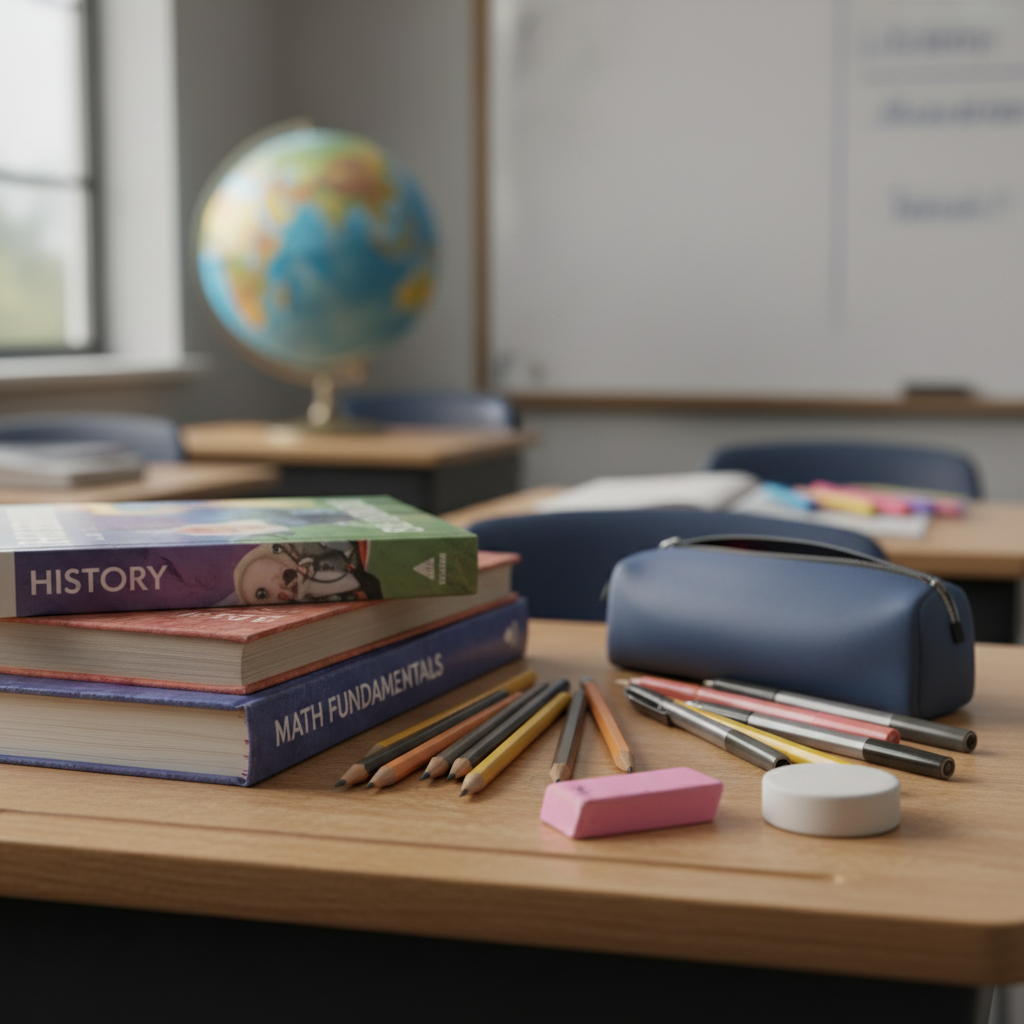
- An eraser vs. a textbook: The textbook is much heavier. It has many, many pages made of paper, bound together.
When we say something is heavier, it means it weighs more. When we say something is lighter, it means it weighs less.
Think about a playground! A slide is much heavier than a small toy car. A big tire swing is heavier than a single leaf.
Objects in Our Classroom
Let's look around our classroom and think about weights.
- Your chair: It's heavier than your backpack, right? You probably can't lift your chair easily, but you can lift your backpack.
- A pencil sharpener: This is usually quite light. You can probably hold it in the palm of your hand.
- The classroom clock: This is quite heavy! It's usually attached to the wall so it doesn't fall.
- A book: As we said, books can vary. A small paperback book is lighter than a big hardcover textbook.
- A glue stick: This is very light, like a crayon.
Making Smart Guesses (Estimates!)
Sometimes, we don't have a scale to measure exactly. That's okay! We can make a smart guess, called an estimate. An estimate is like saying, 'I think this weighs about this much.'
To make a good estimate, you can:
- Feel the object: Gently try to lift it. Does it feel light or heavy in your hands?
- Compare it to something you know: Is it lighter or heavier than your lunchbox? Is it about as heavy as a big book?
- Look at its size: Usually, bigger things are heavier, but not always! A big balloon is lighter than a small rock.
For example, you might estimate that your math textbook is heavier than your science book, or that a pile of 5 erasers is lighter than one textbook.
Why is This Important?
Learning about weight helps us in many ways!
- Packing your bag: You know to pack lighter things for easier carrying.
- Helping at home: You can help carry groceries and know which bags are lighter.
- Understanding the world: You can understand why some things float and others sink, or why it's hard to push a heavy cart.
So, the next time you pick up your school bag or any object, think about its weight! Is it heavy? Is it light? How does it compare to other things? You are becoming a super weight detective!
Keep learning, free
Create a free Syllabax account to unlock practice questions and games for this topic.
Visual Learning Enhanced! 🚀
To help you master this topic, we use Advanced Syllabax AI to generate detailed diagrams and visual models.
Note on Visuals: The AI sometimes makes spelling errors in image labels. Please refer to the lesson text for the correct terminology.