Using measurements in daily life [Real-Life Math]
Watch this topic in 60 seconds
Free preview · Lesson 1
Understanding Using measurements in daily life [Real-Life Math]
Using Measurements in Daily Life: Real-Life Math for 5th Graders
Hello, young mathematicians! Have you ever wondered why we need to know about inches, feet, pounds, or gallons? It's because math, especially measurement, is all around us, helping us every single day! Think of measurements as special tools that help us understand and describe the world around us. Just like a hammer helps build a house, measurements help us build understanding. Let's explore how!
What is Measurement?
Measurement is the process of finding out how big, how long, how heavy, or how much of something there is. It's like giving a number and a unit (like 'inches' or 'pounds') to a certain quality. Imagine you have a toy car. How long is it? You could say, 'It's 5 inches long!' You've just measured it!
Why Do We Measure?
We measure for so many reasons:
- To Compare: Is your sister taller than you? We measure to find out!
- To Build: When building a birdhouse, you need to know exactly how long each piece of wood should be. Too short, and it won't fit! Too long, and it won't assemble correctly.
- To Cook: Recipes need specific amounts of ingredients. Too much salt can ruin a cake!
- To Shop: How much does a bag of apples weigh? You need to know if you're getting enough apples for your money.
- To Travel: How far away is Grandma's house? We measure distance to plan trips.
Common Units of Measurement
There are different kinds of measurements for different things. Let's look at some common ones:
1. Length (How long or tall something is)
Length measures how far apart two points are. Think about the height of a door, the length of a jump, or the width of a table. We use rulers, measuring tapes, and yardsticks for length.
- Inches (in): A small unit, about the width of your thumb. A dollar bill is about 6 inches long.
- Feet (ft): Made up of 12 inches. A grown-up's height is often measured in feet.
- Yards (yd): Made up of 3 feet. Think of a football field – its length is measured in yards!
- Miles (mi): A very long distance. If you walk for about 20 minutes, you might cover a mile.
Analogy: Think of a ruler as a line of ants. Each ant is an inch. If you line up 12 ants, that's a foot-long parade! And three of those parades make a yard of ants!
2. Weight (How heavy something is)
Weight tells us how heavy an object is. We use scales to measure weight.
- Ounces (oz): A small amount of weight. A slice of bread might weigh about 1 ounce.
- Pounds (lb): A common unit for everyday objects. A bag of sugar is usually 2 pounds. A medium-sized dog might weigh 30 pounds.
- Tons (T): A very, very heavy unit. Cars and elephants weigh tons!
Analogy: Imagine a feather is very light, maybe only an ounce. A book is heavier, perhaps a pound. Now, imagine a whole truck full of rocks – that would weigh many tons!
3. Capacity/Volume (How much a container can hold)
Capacity tells us how much liquid or other substance fits inside a container. Think about filling a cup or a swimming pool.
- Fluid Ounces (fl oz): Small amounts of liquid. A sip of juice might be a few fluid ounces.
- Cups (c): Often used in baking. A recipe might call for 2 cups of flour.
- Pints (pt): About the size of a small milk carton.
- Quarts (qt): About the size of a large juice bottle.
- Gallons (gal): A large container, like the ones gasoline comes in, or a large milk jug.
Analogy: Think of a tiny thimble holding a few fluid ounces. A regular drinking glass holds maybe a cup. A pitcher holds a quart. And a big bucket or a milk jug holds a gallon!
4. Time (How long something takes)
Time measures duration – how long an event lasts. We use clocks and calendars.
- Seconds (s): Very short. The time it takes to blink.
- Minutes (min): 60 seconds make a minute. A short song is usually 3-5 minutes long.
- Hours (hr): 60 minutes make an hour. A school day is about 6-7 hours.
- Days, Weeks, Months, Years: Larger units for longer periods.
Analogy: A second is like a quick clap of your hands. A minute is like singing the 'Happy Birthday' song once. An hour is like watching a short cartoon episode. A day is like a whole school day, from morning to afternoon!
Measurements in Action!
Cooking and Baking
Recipes are all about measurements! If a recipe for cookies calls for 2 cups of flour, 1 cup of sugar, and 1 teaspoon of vanilla extract, you need to measure carefully. Using too much or too little can change how the cookies turn out. Imagine trying to build a tower with blocks – if some blocks are too big or too small, the tower might fall!
Building and DIY Projects
Want to build a LEGO castle? Or maybe help a grown-up build a shelf? You'll need to measure. If you're cutting a piece of wood for a project, you need to know exactly how long it should be. Using a measuring tape ensures your pieces fit together perfectly, just like puzzle pieces!
Shopping for Clothes
When you buy a new shirt, you need to know your size. Is it small, medium, or large? Sometimes sizes are even more specific, using measurements like chest circumference or sleeve length to make sure the shirt fits you just right.
Traveling
Planning a road trip? You need to know the distance in miles to figure out how long it will take to get there. You also need to know how much fuel (measured in gallons) your car will need.
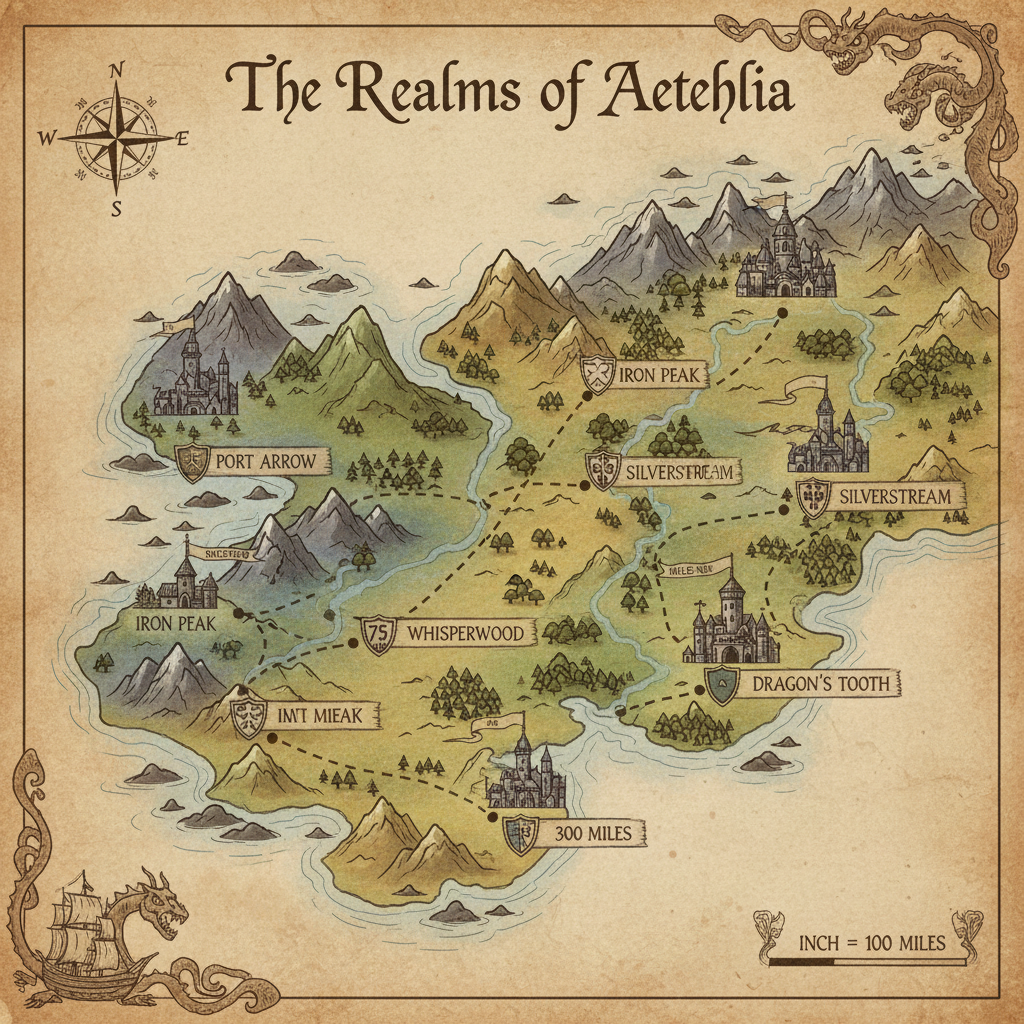 ⚠️ This picture may have spelling mistakes. Trust the words in the lesson.
Health and Fitness
Doctors measure your height and weight to see if you are growing well. When you exercise, you might count how many minutes you ran or how many repetitions you did – those are all measurements!
Key Takeaways
- Measurements are tools that help us understand and describe the world using numbers and units.
- We use measurements for comparing, building, cooking, shopping, traveling, and many other daily activities.
- Common measurements include length (inches, feet, miles), weight (ounces, pounds), capacity (cups, gallons), and time (minutes, hours).
- Accurate measurements are important for success in many tasks, from baking a cake to building a model.
Keep learning, free
Create a free Syllabax account to unlock practice questions and games for this topic.
Visual Learning Enhanced! 🚀
To help you master this topic, we use Advanced Syllabax AI to generate detailed diagrams and visual models.
Note on Visuals: The AI sometimes makes spelling errors in image labels. Please refer to the lesson text for the correct terminology.