Drawing Simple Conclusions
Watch this topic in 60 seconds
Free preview · Lesson 1
Understanding Drawing Simple Conclusions
Drawing Simple Conclusions: Becoming a Super Detective!
Hey super learners! Have you ever felt like a detective, putting clues together to solve a mystery? Well, today we're going to become "Conclusion Detectives"! We'll learn how to figure things out even when they aren't directly told to us. This is called "drawing a simple conclusion."
What is a Conclusion? (It's Your "Aha!" Moment!)
Imagine you're reading a story or watching something happen. Sometimes, the author or the situation doesn't tell you EVERYTHING directly. You have to use your brain to figure out what's really going on, or what's going to happen next. That "aha!" moment, that answer you figure out, is your conclusion.
- Think of it like this: If your mom bakes cookies, and the kitchen smells amazing, you might conclude that the cookies are ready! She didn't *tell* you they were ready, but you used your senses (the smell) to figure it out.
- It's like finding the last piece of a puzzle. You look at all the pieces you have, look at the picture on the box, and then you *conclude* where that last piece fits perfectly!
Drawing a Conclusion: Putting the Clues Together
So, how do we "draw" a conclusion? We don't use pencils and paper for this kind of drawing! Instead, we use our brains to connect the dots. It's a two-step super-power:
- Look for Clues: These are the facts, details, or hints that you read or see. They are like the ingredients in a recipe.
- Use What You Already Know: This is your brain's amazing memory! It's all the information and experiences you've gathered over time. This is like your cooking knowledge – knowing what happens when you mix those ingredients.
When you combine the "Clues" with "What You Already Know," your brain magically comes up with a Conclusion! It's the tasty cake you get at the end!
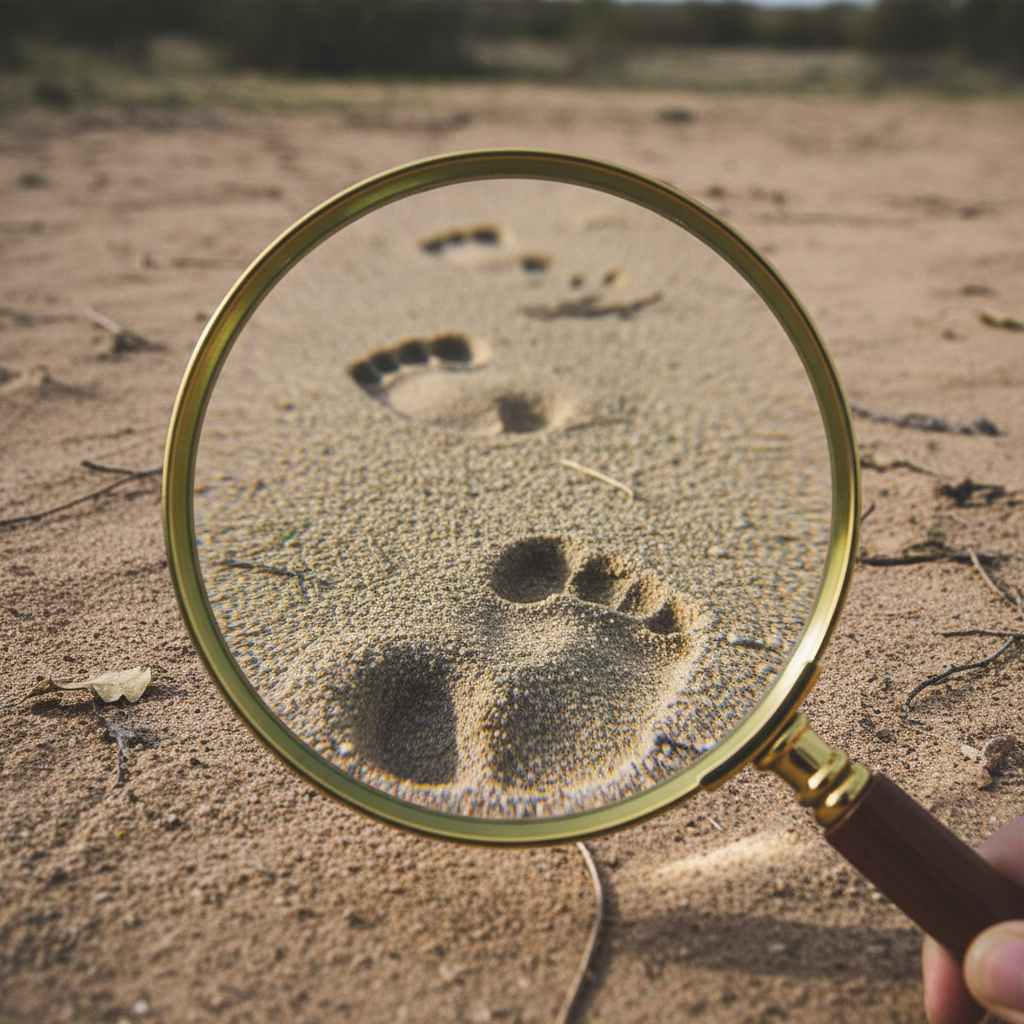 ⚠️ This picture may have spelling mistakes. Trust the words in the lesson.
Let's Practice Being Detectives!
Here are some examples of how to draw simple conclusions:
Example 1: The Rainy Day
Clues: "Maya grabbed her umbrella and put on her rain boots. Dark clouds filled the sky."
What You Already Know: You know that people use umbrellas and rain boots when it rains. You also know that dark clouds often mean rain is coming.
Conclusion: Maya is getting ready to go out in the rain, or it's about to rain.
See? The story didn't say, "It's raining," but we figured it out!
Example 2: The Empty Cookie Jar
Clues: "Mom looked at the empty cookie jar. A few crumbs were on the counter. My little brother, Timmy, had chocolate smeared around his mouth and a happy look on his face."
What You Already Know: You know that cookies leave crumbs. You know that chocolate on someone's face after an empty cookie jar might mean they ate the cookies. You know kids love cookies!
Conclusion: Timmy ate the cookies from the jar!
Timmy didn't *say* he ate them, but the clues pointed to him!
Why is Drawing Conclusions Important?
Drawing conclusions isn't just for reading stories! It's a super important skill you use every single day:
- When you cross the street: You see a car far away (clue), you know cars move fast (what you know), so you conclude it's safe to cross *now*.
- When you pick out clothes: You see it's cold outside (clue), you know sweaters keep you warm (what you know), so you conclude you should wear a sweater.
- When you solve math problems: You use the numbers and symbols (clues), you know the rules of addition or subtraction (what you know), and you conclude the answer!
It helps you understand the world around you, make smart choices, and become a really good thinker!
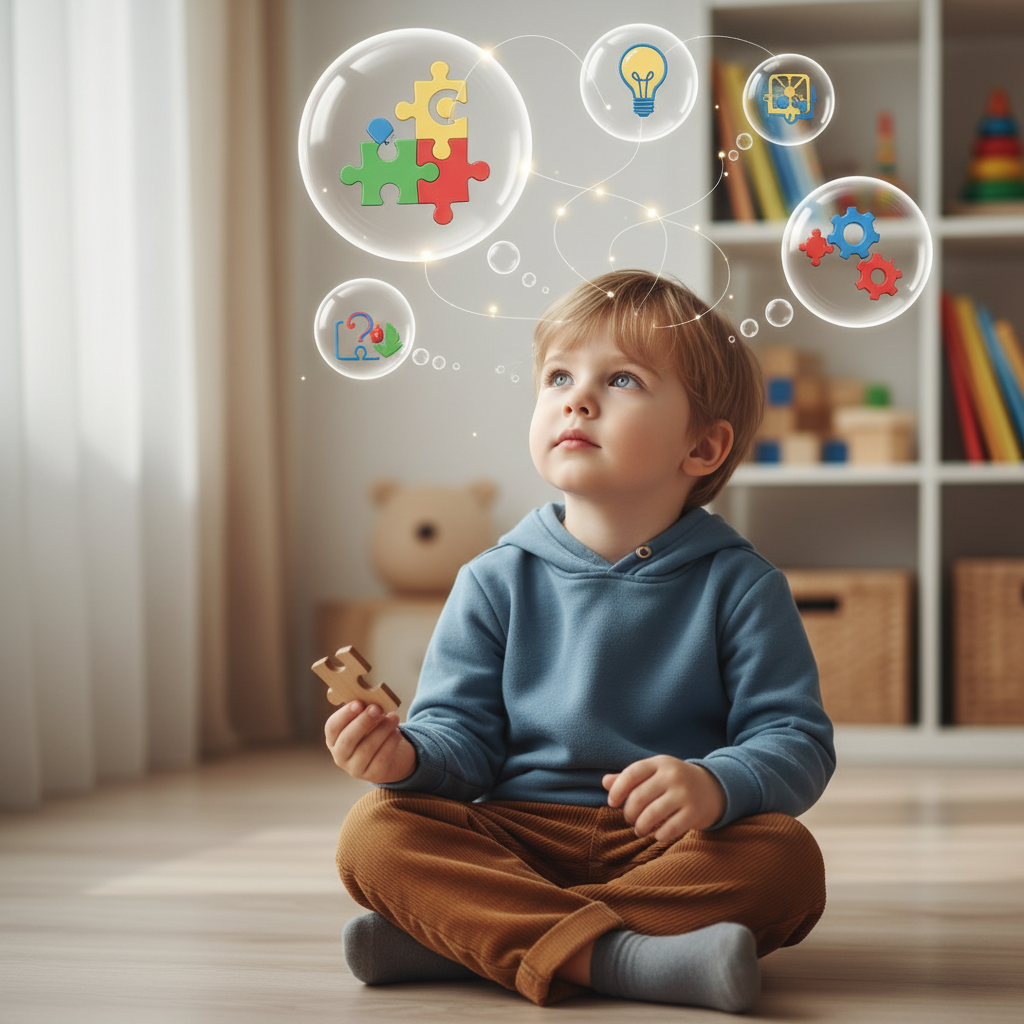 ⚠️ This picture may have spelling mistakes. Trust the words in the lesson.
Remember These Steps to Be a Conclusion Master!
- Read/Observe Carefully: Pay close attention to all the details.
- Ask Yourself: "What clues do I see or read?"
- Ask Yourself: "What do I already know about these clues?"
- Think! Think! Think!: Put the clues and your knowledge together.
- State Your Conclusion: What is the "aha!" moment you figured out?
Keep practicing, and you'll be a conclusion-drawing superstar in no time!
Keep learning, free
Create a free Syllabax account to unlock practice questions and games for this topic.
Visual Learning Enhanced! 🚀
To help you master this topic, we use Advanced Syllabax AI to generate detailed diagrams and visual models.
Note on Visuals: The AI sometimes makes spelling errors in image labels. Please refer to the lesson text for the correct terminology.