Growth, movement, reproduction, response to stimuli (BIOLOGY)
Watch this topic in 60 seconds
Free preview · Lesson 1
Understanding Growth, movement, reproduction, response to stimuli (BIOLOGY)
Understanding Life: Growth, Movement, Reproduction, and Response to Stimuli
Welcome, young scientists, to an exciting journey into the world of living things! Have you ever wondered what makes a tiny seed grow into a giant tree, or how a bird can fly from one place to another? Or maybe you've noticed how a plant bends towards the sunlight, or how a puppy wags its tail when you pet it? These amazing actions are all part of being alive! Today, we're going to explore the four big ideas that define life: growth, movement, reproduction, and response to stimuli. Think of these as the 'superpowers' that all living things share!
1. Growth: Getting Bigger and Stronger
Imagine a tiny baby chick hatching from an egg. It's small, a bit wobbly, and needs a lot of care. Over time, with food and water, it grows bigger, stronger, and eventually becomes a chicken that can lay its own eggs! This process of getting bigger and developing is called growth.
What is Growth?
Growth means that a living thing increases in size and complexity. It's not just about getting taller; it's also about developing new parts, like feathers on a bird, leaves on a plant, or muscles on an animal.
Analogies for Growth:
- Building Blocks: Think of growth like building a tower with LEGO bricks. You start with a few small bricks, and as you add more and more, the tower gets taller and bigger. Living things use tiny building blocks called cells, and they add more and more of them as they grow.
- A Growing Plant: A sunflower seed is tiny, but it grows into a huge plant with a big, bright flower. It gets its 'building materials' from sunlight, water, and nutrients in the soil.
- You! You were once a baby, much smaller than you are now. You've grown taller, learned new things, and your body has changed a lot. That's growth in action!
All living things, from the smallest ant to the largest whale, grow. Plants grow from seeds, animals grow from eggs or are born live, and even tiny bacteria grow and divide.
2. Movement: The Way Living Things Get Around
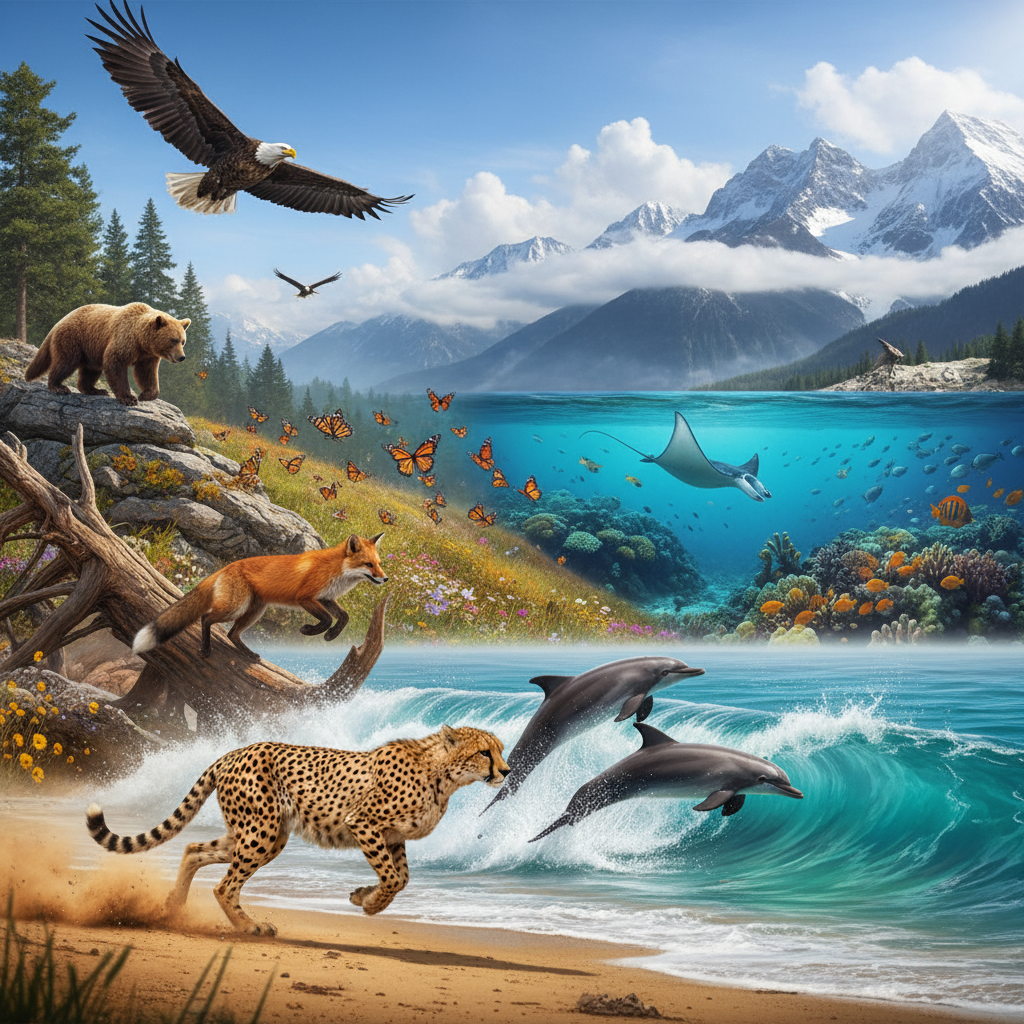
Have you ever seen a fish swim in a pond, a cat chase a mouse, or a ladybug crawl on a leaf? That's movement! Movement is how living things change their position or location.
What is Movement?
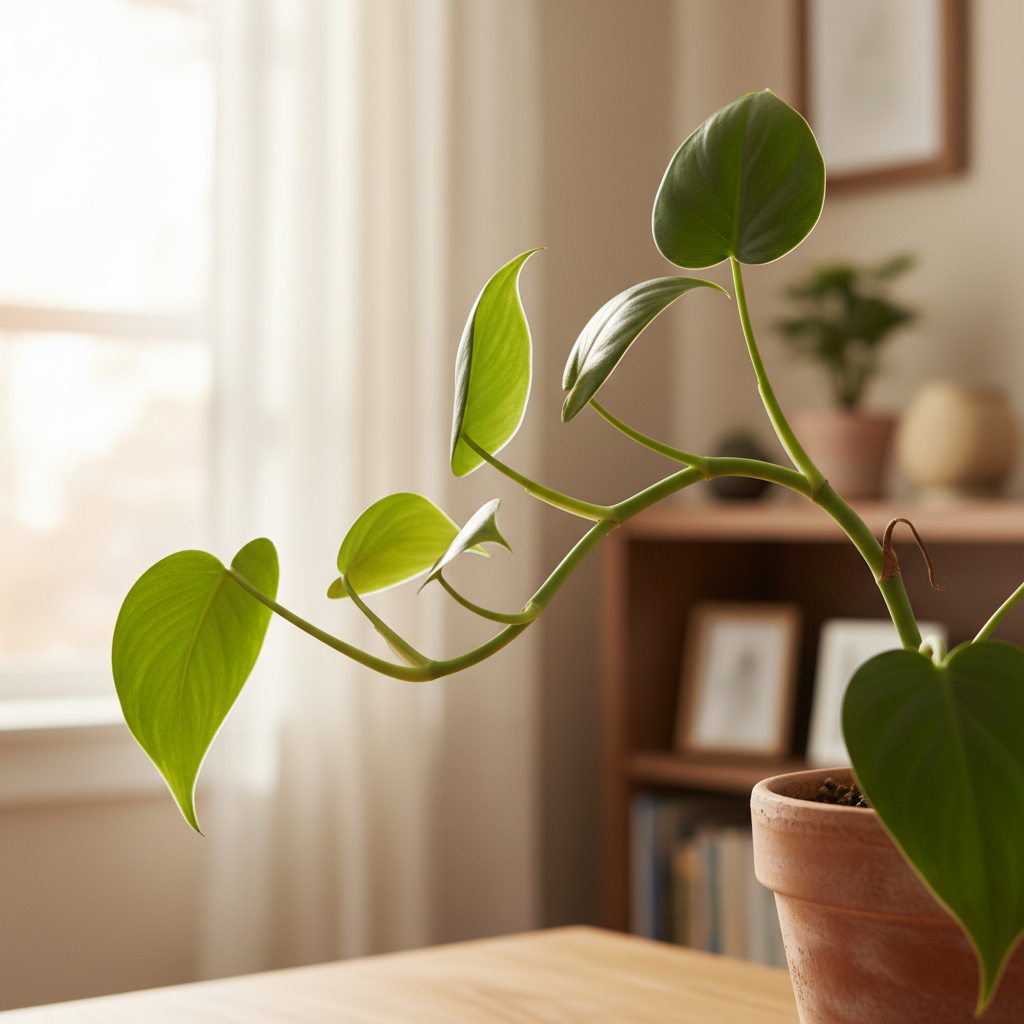
Movement is the ability to change your place or position. Some living things move a lot, like a cheetah running across the savanna, while others move very little, like a tree whose branches might sway in the wind. Even plants can show movement, like a sunflower turning its face towards the sun.
Analogies for Movement:
- A Toy Car: A toy car can be pushed to move from one spot to another. Animals use their legs, wings, or fins to 'push' themselves around.
- A Balloon Floating: A balloon filled with air moves when the air inside it pushes it. Plants move very slowly, often because of things like water pressure inside their stems or growth towards light.
- Your Own Movement: You walk, run, jump, and wave your arms. That's all movement!
Different living things move in different ways. Fish use fins to swim, birds use wings to fly, snakes slither, and humans walk or run. Plants often move in subtle ways, like their leaves opening and closing or roots growing down into the soil.
3. Reproduction: Making More of Yourself
How do we get more puppies, more kittens, or more apple trees? It's through reproduction! Reproduction is the amazing ability of living things to create new individuals of the same kind. It's how life continues on Earth.
What is Reproduction?
Reproduction is the process by which living organisms produce offspring (their young). This ensures that the species doesn't die out.
Analogies for Reproduction:
- Making Copies: Imagine you have a special stamp that makes a picture of a star. Every time you use the stamp, you get a new star picture. Reproduction is like using a 'life stamp' to make new living things.
- Seeds of a Flower: A single flower can produce many seeds. When these seeds are planted, they grow into new flowers, making more flowers!
- Your Parents: You were born because your parents reproduced. This is a way that all living things pass on their traits to their children.
There are two main ways living things reproduce:
- Sexual Reproduction: This usually involves two parents, like a mother and a father. They combine parts of themselves to create a new individual that is a mix of both parents. Think of a baby human or a puppy.
- Asexual Reproduction: This involves only one parent. The offspring is an exact copy of the parent, like a clone. Some simple organisms, like bacteria, reproduce this way by simply splitting in two. A strawberry plant sending out runners that grow into new plants is also a form of asexual reproduction.
4. Response to Stimuli: Reacting to the World Around You
Have you ever jumped when you heard a loud noise, or quickly pulled your hand away from something hot? That's response to stimuli! A stimulus is anything in the environment that causes a living thing to react.
What is Response to Stimuli?
Response to stimuli is the ability of living things to detect changes in their environment and react to them. It's how living things stay safe, find food, and survive.
Analogies for Response to Stimuli:
- A Doorbell: When the doorbell rings (the stimulus), you react by going to open the door (the response).
- A Sensitive Plant: Some plants, like the Mimosa Pudica (often called the 'touch-me-not' plant), fold their leaves shut when you touch them. The touch is the stimulus, and the folding leaves are the response.
- Feeling Cold: If you feel cold, you might put on a jacket. The cold is the stimulus, and putting on a jacket is your response to stay warm.
- A Dog and a Treat: When a dog sees a tasty treat (stimulus), it might wag its tail or bark with excitement (response).
Living things react to many different stimuli:
- Light: Plants grow towards sunlight.
- Sound: Animals might freeze or run away when they hear a loud noise.
- Touch: Some animals might flinch or pull away.
- Temperature: Animals might seek shade when it's hot or huddle together when it's cold.
Putting It All Together
These four big ideas – growth, movement, reproduction, and response to stimuli – are the hallmarks of life. Every living thing, from the smallest microbe to the biggest elephant, exhibits these characteristics in its own way. They are the keys to understanding how life works and how it continues to thrive on our amazing planet!
Keep learning, free
Create a free Syllabax account to unlock practice questions and games for this topic.
Visual Learning Enhanced! 🚀
To help you master this topic, we use Advanced Syllabax AI to generate detailed diagrams and visual models.
Note on Visuals: The AI sometimes makes spelling errors in image labels. Please refer to the lesson text for the correct terminology.