Blood, plasma, RBC, WBC, platelets[BIOLOGY]
Watch this topic in 60 seconds
Free preview · Lesson 1
Understanding Blood, plasma, RBC, WBC, platelets[BIOLOGY]
The Amazing Journey Through Your Bloodstream!
Imagine your body is like a bustling city. This city needs a constant supply of goods, services, and even waste removal to keep everything running smoothly. How does all this happen? It happens thanks to your amazing bloodstream and everything flowing through it!
What is Blood? The City's Highway System
Blood is like the transportation system of your body's city. It's a red, liquid tissue that travels all over your body, carrying essential stuff to every single part – from your brain to your toes. It's like the network of roads, rivers, and railways that connect all the different neighborhoods and buildings in our city.
Blood isn't just one thing; it's a mixture of different components, each with a special job. Think of it like a delivery truck (the blood) carrying different types of packages (the components) to their destinations.
Plasma: The River Water Carrying Everything
About half of your blood is something called plasma. Plasma is the liquid part, and it's mostly water, but it's not just plain water! Think of plasma as the river water that flows through our city's waterways. This river carries dissolved nutrients, proteins, salts, hormones, and waste products.
Imagine you're sending mail. The plasma is like the envelope and the postal service itself – it holds everything together and makes sure it gets delivered. It carries:
- Nutrients: Like food and energy for your body's cells (think of sugar, fats, and vitamins as groceries being delivered).
- Proteins: These are like the construction workers and repair crews, helping to build and fix tissues, and also acting as defense agents.
- Waste Products: Things your body doesn't need anymore, like carbon dioxide and urea, which are then taken to be removed (like trash being collected and taken to the dump).
- Hormones: These are like messengers, telling different parts of your body what to do and when to do it (like a traffic signal or a memo from the city hall).
Plasma is super important because it's the medium that allows all the other important parts of the blood to travel.
Red Blood Cells (RBCs): The Oxygen Delivery Trucks
Now, let's talk about the most numerous cells in your blood: Red Blood Cells (RBCs). These are like the dedicated oxygen delivery trucks of our city. Their main job is to pick up oxygen from your lungs and deliver it to every single cell in your body.
Why is oxygen so important? Every cell needs oxygen to function, just like every building in our city needs electricity to run its lights and machines. RBCs are packed with a special protein called hemoglobin, which is like a magnet for oxygen. When RBCs travel through the lungs, hemoglobin grabs onto the oxygen. Then, as they travel through the body, they release this oxygen to the cells that need it.
RBCs are small, round, and have a funny shape – they are like tiny donuts without the hole in the middle! This shape helps them squeeze through even the narrowest blood vessels, the tiniest streets in our city.
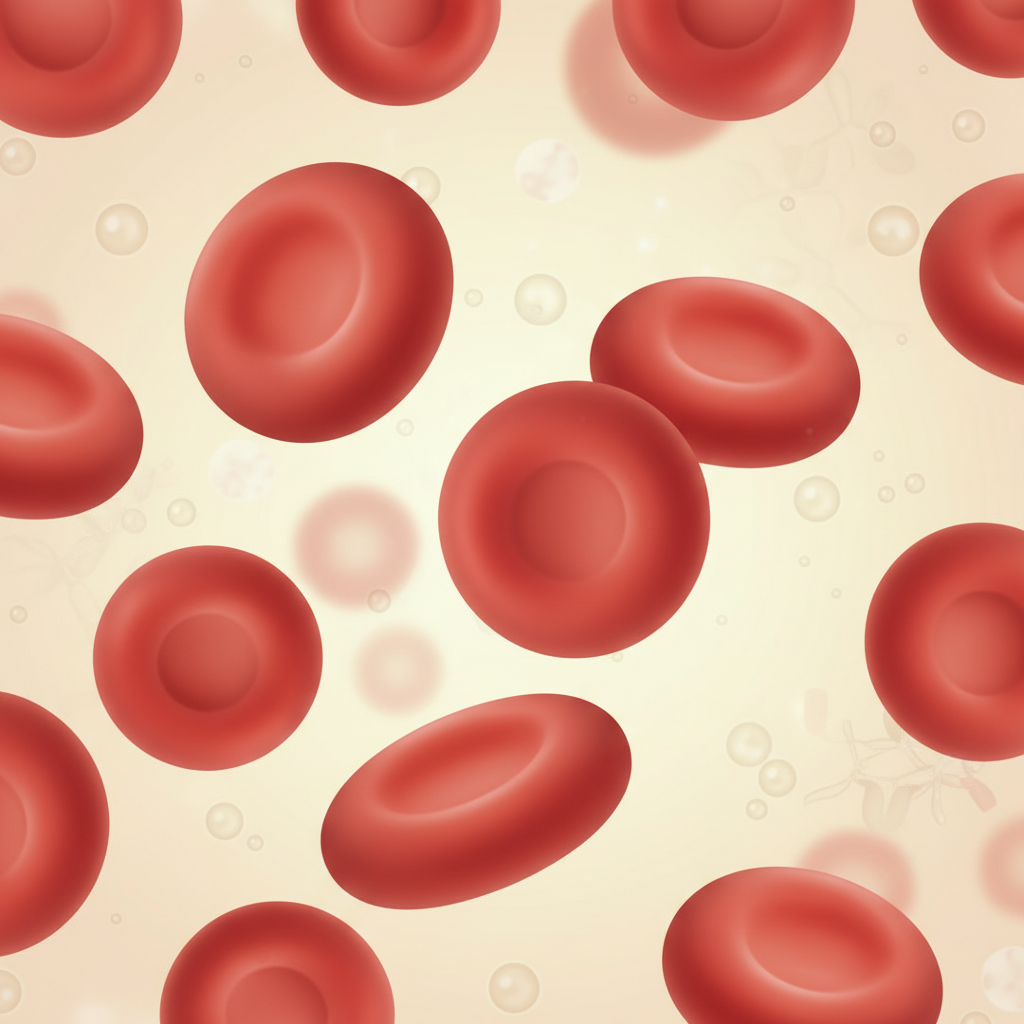
As RBCs get old, they are recycled, and new ones are constantly being made in your bone marrow – the body's factory for making blood cells.
White Blood Cells (WBCs): The Body's Security Guards and Repair Crew
While RBCs are busy delivering oxygen, another crucial group is on patrol: the White Blood Cells (WBCs). These are your body's amazing defense system, like the police officers and the emergency repair crew of our city.
What do they defend against? Germs! Things like bacteria and viruses that can make you sick. WBCs are constantly searching for these invaders. When they find one, they spring into action:
- Fighting Infections: Some WBCs act like soldiers, surrounding and destroying bacteria and viruses.
- Cleaning Up: Others act like cleanup crews, removing dead or damaged cells and debris from your body.
- Identifying Threats: Some WBCs are like detectives, recognizing specific types of invaders so the body can fight them more effectively in the future.
There are many different types of WBCs, each with its own specialized role in keeping you healthy. When you get sick, your body often makes more WBCs to fight off the infection – that's why your doctor might check your white blood cell count!
Platelets: The Tiny Band-Aid Makers
Finally, let's talk about platelets. Imagine our city has a plumbing system with pipes carrying vital fluids. What happens if a pipe bursts? We need a quick repair crew to patch it up! That's what platelets do.
Platelets are tiny, irregular-shaped cell fragments. Their main job is to help stop bleeding. When you get a cut or a scrape, and a blood vessel is damaged, platelets rush to the site. They clump together, forming a plug to seal the wound. This is called a blood clot.
Think of them as tiny construction workers who quickly lay down gravel and cement to fix a pothole in the road, stopping traffic (blood) from leaking out. They work with proteins in your plasma (like fibrin) to build a strong clot that stops the bleeding until the tissue can heal.
Putting It All Together
So, your blood is a dynamic mixture of:
- Plasma: The watery river carrying nutrients, waste, and messengers.
- Red Blood Cells: The oxygen delivery trucks ensuring every cell gets what it needs to work.
- White Blood Cells: The security guards and repair crew fighting off germs and cleaning up.
- Platelets: The emergency repair crew that seals up leaks and stops bleeding.
All these components work together tirelessly, day and night, to keep your body healthy and functioning. It's a constant flow, a vital journey, keeping your internal city alive and thriving!
Keep learning, free
Create a free Syllabax account to unlock practice questions and games for this topic.
Visual Learning Enhanced! 🚀
To help you master this topic, we use Advanced Syllabax AI to generate detailed diagrams and visual models.
Note on Visuals: The AI sometimes makes spelling errors in image labels. Please refer to the lesson text for the correct terminology.