Comparing area visually [Area (Conceptual)]
Watch this topic in 60 seconds
Free preview · Lesson 1
Understanding Comparing area visually [Area (Conceptual)]
Comparing Area Visually: How Much Space Does It Take Up?
Imagine you have a favorite toy car and your friend has a superhero action figure. Which one takes up more space on the floor? That's kind of what comparing area is all about! Area tells us how much flat space a shape covers. It’s like measuring how much blanket you need to cover a picnic spot or how much paint you need to cover a wall.
What is Area, Anyway?
Area is the amount of surface inside a two-dimensional shape. Think of a shape as a fence. The area is everything *inside* that fence. It's not the fence itself (that's called the perimeter), but the land or space enclosed by the fence.
We often measure area using square units. Imagine tiling a floor. You use square tiles to cover the entire floor. The number of tiles you use is a way to measure the area of the floor. Each tile is a 'square unit'.
Why Do We Need to Compare Area?
Comparing area helps us make decisions every day! For example:
- Choosing Furniture: If you want to buy a new rug for your bedroom, you need to know the area of the rug and compare it to the area of your floor to see if it will fit.
- Gardening: If you want to plant flowers, you need to know the area of your garden bed to figure out how many plants you can fit.
- Packing: When you're packing a suitcase, you want to fit as much as possible. You're trying to compare the area (or volume, which is similar for 3D objects) of your clothes to the area of the suitcase.
- Art Projects: If you have two pieces of paper and want to draw a big picture, you'd pick the one with the larger area.
Visualizing Area: Looking is Key!
When we compare area visually, we are using our eyes to figure out which shape covers more space. We don't need to use rulers or count tiny squares just yet. We can often tell by just looking!
Analogy: Pizzas!
Let's think about pizzas. Imagine you have two pizzas:
- Pizza A: A small, round pizza.
- Pizza B: A large, round pizza.
Which pizza has more pizza? The large one, right? Even without measuring, you can see that the larger pizza covers more space on the table. The area of the large pizza is bigger than the area of the small pizza.
Analogy: Cookies!
What about cookies? Imagine you have a big square cookie and a small rectangular cookie.
- Cookie 1: A large square cookie.
- Cookie 2: A small rectangular cookie.
If the square cookie is really big, it might cover more space than the small rectangular cookie, even though the rectangle has two different sides. You're comparing how much 'cookie goodness' is on the plate for each one.
Sometimes, shapes can look tricky. What if you have a long, skinny rectangle and a more square-like shape?
Let’s use another analogy: books!
- Book A: A very tall and thin novel.
- Book B: A shorter, wider book, like a comic book.
If the tall novel is *very* tall and the comic book is only a little bit wider, the tall novel might cover more space on your desk than the comic book. You have to look at both how 'wide' and how 'tall' the shape is to guess its area.
Comparing Shapes Directly
When comparing shapes visually, we can do a few things:
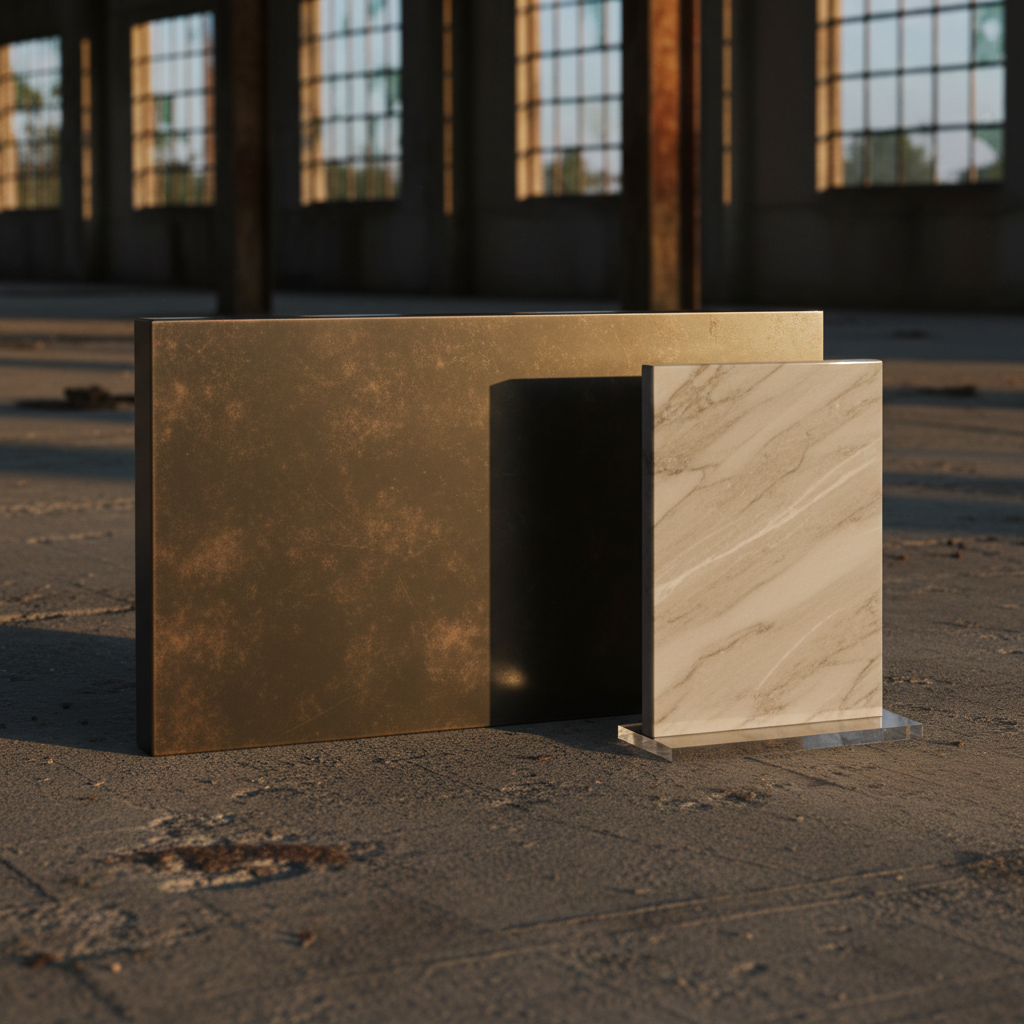
- Overlap: If you can place one shape on top of another, you can see which one sticks out more. The part that sticks out covers more area.
- Fit Inside: Sometimes, you can see if one shape fits entirely inside another. If shape X fits completely inside shape Y, then shape Y must have a larger area than shape X.
Example 1: Rectangles
Imagine two rectangles. Rectangle 1 is 3 inches wide and 2 inches tall. Rectangle 2 is 2 inches wide and 3 inches tall.
Visually, these two rectangles would cover the *same amount of space*. Even though their lengths and widths are swapped, the total area they cover is identical. It's like having a bag of 6 candies arranged in a 3x2 pattern or a 2x3 pattern – you still have 6 candies!
Now, imagine Rectangle 3 is 4 inches wide and 3 inches tall. If you look at Rectangle 3 and compare it to Rectangle 1 (3 inches wide, 2 inches tall), you can clearly see that Rectangle 3 is bigger in both directions. It will definitely cover more space. It has a larger area.
 ⚠️ This picture may have spelling mistakes. Trust the words in the lesson.
Example 2: Irregular Shapes
Comparing irregular shapes (shapes that aren't perfect squares or circles) can be trickier, but the idea is the same. Think about spilled paint!
- Blob A: A small, round-ish blob of spilled juice.
- Blob B: A larger, splattered blob of spilled juice.
You can easily see that Blob B covers more of the floor than Blob A. Blob B has a larger area.
Sometimes, shapes can be a bit misleading. Imagine a very jagged, star-shaped piece of paper and a smooth, oval-shaped piece of paper. One might look 'bigger' because it has pointy bits sticking out, but the other might be 'fatter' in the middle. You need to look at the overall space they cover.
Let's consider two puzzle pieces:
- Puzzle Piece 1: A simple square puzzle piece.
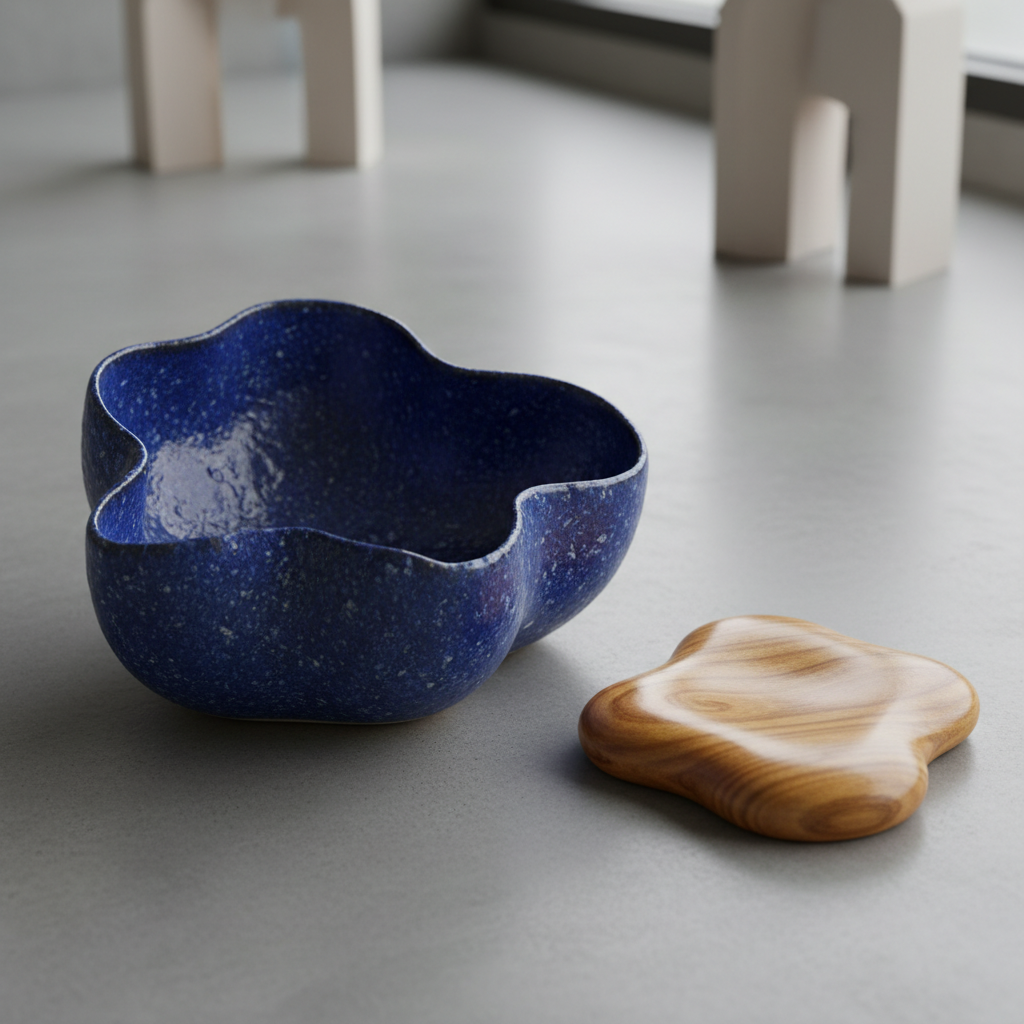
- Puzzle Piece 2: A puzzle piece with many bumps and indentations, but overall roughly the same size as the square.
If you put them side-by-side on a table, you can often tell which one occupies more surface. The bumps and dips add to the space it covers!
Key Concepts Recap
- Area: The amount of flat space a shape covers.
- Visual Comparison: Using your eyes to see which shape covers more space.
- Square Units: The basic measurement for area, like tiles on a floor.
- Comparing: Looking at how 'wide' and 'tall' a shape is, or how much it 'spreads out', to decide which is bigger.
Remember, comparing area visually is all about answering the question: "Which one takes up more space on a flat surface?" Keep practicing your observation skills, and soon you'll be a pro at spotting the shape with the bigger area!
Keep learning, free
Create a free Syllabax account to unlock practice questions and games for this topic.
Visual Learning Enhanced! 🚀
To help you master this topic, we use Advanced Syllabax AI to generate detailed diagrams and visual models.
Note on Visuals: The AI sometimes makes spelling errors in image labels. Please refer to the lesson text for the correct terminology.