Learning Journey
Watch this topic in 60 seconds
Free preview · Lesson 1
Understanding Dust, smoke, pollutants[CHEMISTRY]
Understanding Dust, Smoke, and Pollutants: Our Invisible Neighbors
Welcome, young scientists! Today, we're going to explore something that's all around us, even when we can't see it clearly: dust, smoke, and other tiny particles that we call pollutants. Think of these as invisible neighbors that share our air. We'll learn what they are, where they come from, and why it's important to understand them.
What are Dust and Smoke?
Let's start with the things you might see floating in a sunbeam or swirling around when something burns.
Dust: The Tiny Bits of Everything
Imagine you have a box of building blocks, and you shake it up really hard. Little bits of those blocks might fly off. Dust is a bit like that, but instead of building blocks, it's made of tiny, tiny pieces of all sorts of things in our environment.
What kinds of things?
- Dirt and Soil: When the wind blows, it can pick up tiny particles of earth.
- Fabric Fibers: From our clothes, carpets, and furniture.
- Skin Cells: We shed skin all the time, and these tiny flakes become dust.
- Pollen: From plants and flowers.
- Hair: From people and pets.
- Tiny bits of food or other materials.
Dust particles are so small that you can't see them individually with your eyes. They only become visible when lots of them gather together or when they are illuminated by a beam of light. Think of it like a tiny parade of ants – you can't see one ant from far away, but when many march together, you might notice them. Dust is like that, just much, much smaller.
Smoke: The Result of Burning
Smoke is different from dust. Smoke is what happens when something burns. When materials like wood, paper, or even gasoline burn, they don't just turn into ash. They also release tiny particles into the air, along with gases.
Think of a campfire. You see flames, you feel heat, and you notice the grey or white cloud rising. That cloud is smoke. It's made up of:
- Tiny solid particles (like soot, which is black and very fine carbon)
- Liquid droplets (like tiny bits of tar)
- Gases (like carbon dioxide and carbon monoxide – we'll talk more about gases later!)
Smoke is often darker than dust because of the soot particles. Soot is like the burnt remains of whatever was burning, broken down into incredibly small pieces.
What are Pollutants?
Now, let's talk about the word "pollutant." A pollutant is anything that contaminates something else, making it impure or harmful. In the context of air, pollutants are particles or gases that shouldn't be there or are present in amounts that can cause problems.
Dust and smoke are types of air pollutants. But there are many other kinds too!
Pollution: Making Our Air Dirty
Imagine you have a glass of clean water, and you drop a bit of dirt into it. The water is now "polluted" because it's not clean anymore. Air pollution is when harmful substances get into the air, making it dirty and unhealthy to breathe.
Where Do Pollutants Come From?
Pollutants come from both nature and human activities.
Natural Sources: Nature's Own Messengers
Even without humans, our air can get polluted.
- Volcanoes: When volcanoes erupt, they spew ash and gases into the air. This ash can travel for miles and affect the air quality.
- Wildfires: Natural fires in forests create a lot of smoke and ash.
- Dust Storms: Strong winds can whip up huge amounts of dust from dry regions.
- Pollen: As mentioned before, pollen from plants is a natural part of the air, but high amounts can cause allergies for some people.
Human-Made Sources: Our Own Footprints
Unfortunately, many of the pollutants in our air come from things we humans do.
- Factories and Power Plants: These places often burn fuels like coal or natural gas to create electricity or make products. This burning releases smoke and gases. Think of a tall chimney puffing out clouds – that's pollution.
- Cars, Trucks, and Buses: When engines burn gasoline or diesel fuel, they release exhaust fumes. This exhaust contains harmful gases and tiny particles. Every time a car drives by, it's adding a tiny bit to the air pollution.
- Burning Trash or Wood: Backyard fires, burning garbage, or even wood-burning stoves can release smoke and pollutants.
- Construction Sites: Digging and building can stir up a lot of dust.
- Farming: Some farming activities can release dust or gases into the air.
Why Should We Care? The Impact of Pollutants
You might think, "They're just tiny particles, what's the big deal?" But these pollutants can have a big impact on our health and our planet.
Health Effects: Breathing Trouble
When we breathe in air, our lungs are designed to take in oxygen. But if the air is full of pollutants, those tiny particles and harmful gases can get into our lungs.
- Coughing and Sneezing: Our bodies try to get rid of irritants.
- Asthma and Allergies: Pollutants can make breathing difficult for people with these conditions, causing attacks.
- Long-term problems: Breathing polluted air for a long time can lead to more serious health issues, like problems with the heart and lungs.
Imagine trying to drink juice through a straw that's partly blocked. It's harder to get the juice. When our lungs are filled with dust and smoke, it's harder for them to get the oxygen we need.
Environmental Effects: Harming Our Planet
Pollutants don't just affect us; they affect the world around us.
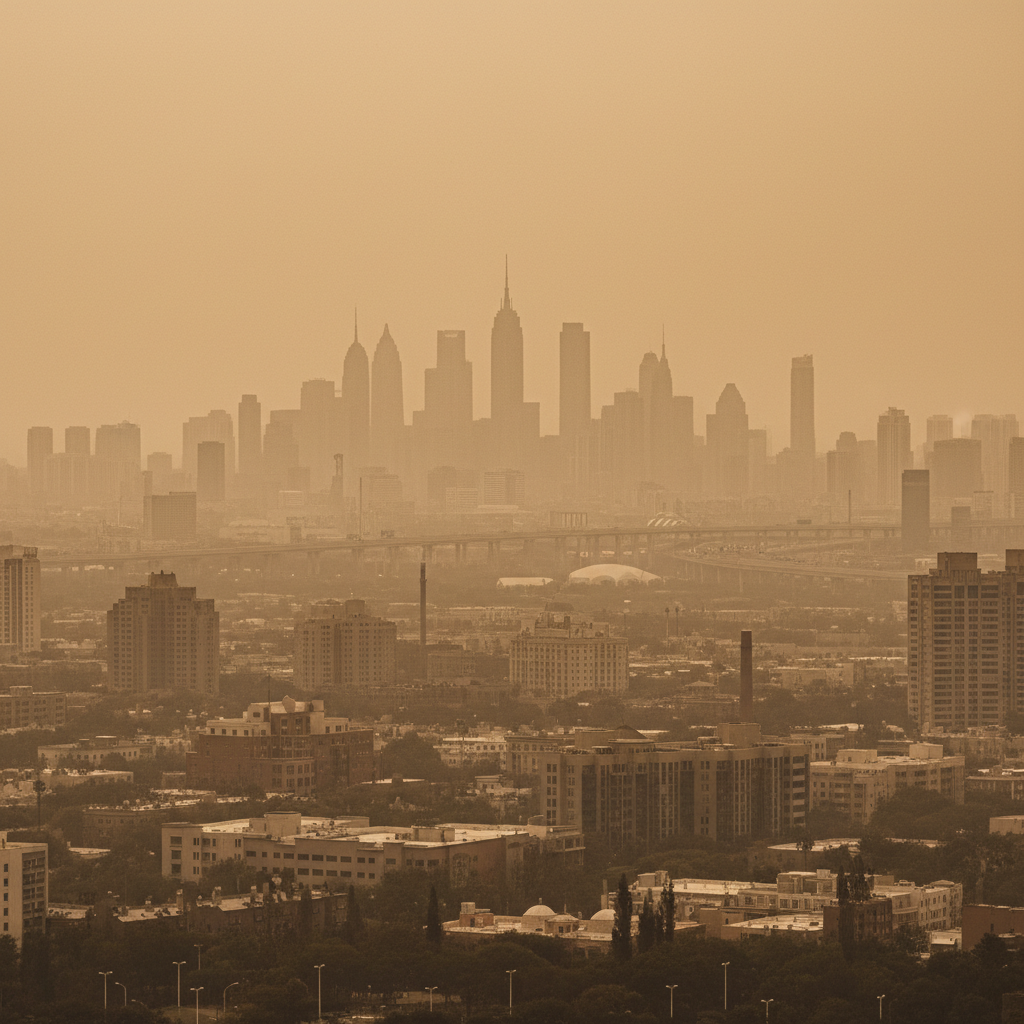
- Hazy Skies: Smog, which is a mix of smoke and fog with other pollutants, can make the sky look grey or brown and reduce visibility.
- Acid Rain: Some gases from burning fuels can mix with water in the air and fall as rain that is slightly acidic, harming plants, lakes, and buildings.
- Climate Change: Some pollutant gases, like carbon dioxide, trap heat in the atmosphere, contributing to the warming of our planet.
Think of the Earth like a big house. Pollutants are like messes and dirt that make the house uncomfortable and unhealthy for everyone living in it.
What Can We Do?
It's a lot to take in, but the good news is that we can all help!
- Reduce, Reuse, Recycle: Using less stuff means fewer factories need to make new things, and less trash needs to be burned or buried.
- Walk or Bike: Instead of always going by car, walking or biking helps reduce exhaust fumes.
- Conserve Energy: Turn off lights and electronics when you're not using them. This means power plants burn less fuel.
- Plant Trees: Trees help clean the air!
- Educate Yourself and Others: The more we know, the better choices we can make.
By understanding dust, smoke, and pollutants, we can work together to keep our air cleaner and our planet healthier for everyone!
Keep learning, free
Create a free Syllabax account to unlock practice questions and games for this topic.
Visual Learning Enhanced! 🚀
To help you master this topic, we use Advanced Syllabax AI to generate detailed diagrams and visual models.
Note on Visuals: The AI sometimes makes spelling errors in image labels. Please refer to the lesson text for the correct terminology.