Soil composition (sand, clay, humus) (Soil)
Watch this topic in 60 seconds
Free preview · Lesson 1
Understanding Soil composition (sand, clay, humus) (Soil)
Exploring the Secret World Under Your Feet: What is Soil Made Of?
Hey there, young explorers! Have you ever wondered what's truly under your shoes when you walk in a park, play in your backyard, or even look at a potted plant? It might look like just 'dirt,' but soil is actually a super amazing, busy, and important home for many things! It's like a special recipe made of different ingredients, each with its own job.
Imagine you're making a delicious cake. You don't just throw in one thing, right? You need flour, sugar, eggs, and more. Soil is a lot like that cake – it's a mix of different parts that work together to make something wonderful. Let's dig in and discover the three main ingredients of most soil: Sand, Clay, and Humus!
Ingredient 1: Sand – The Big and Gritty Bits!
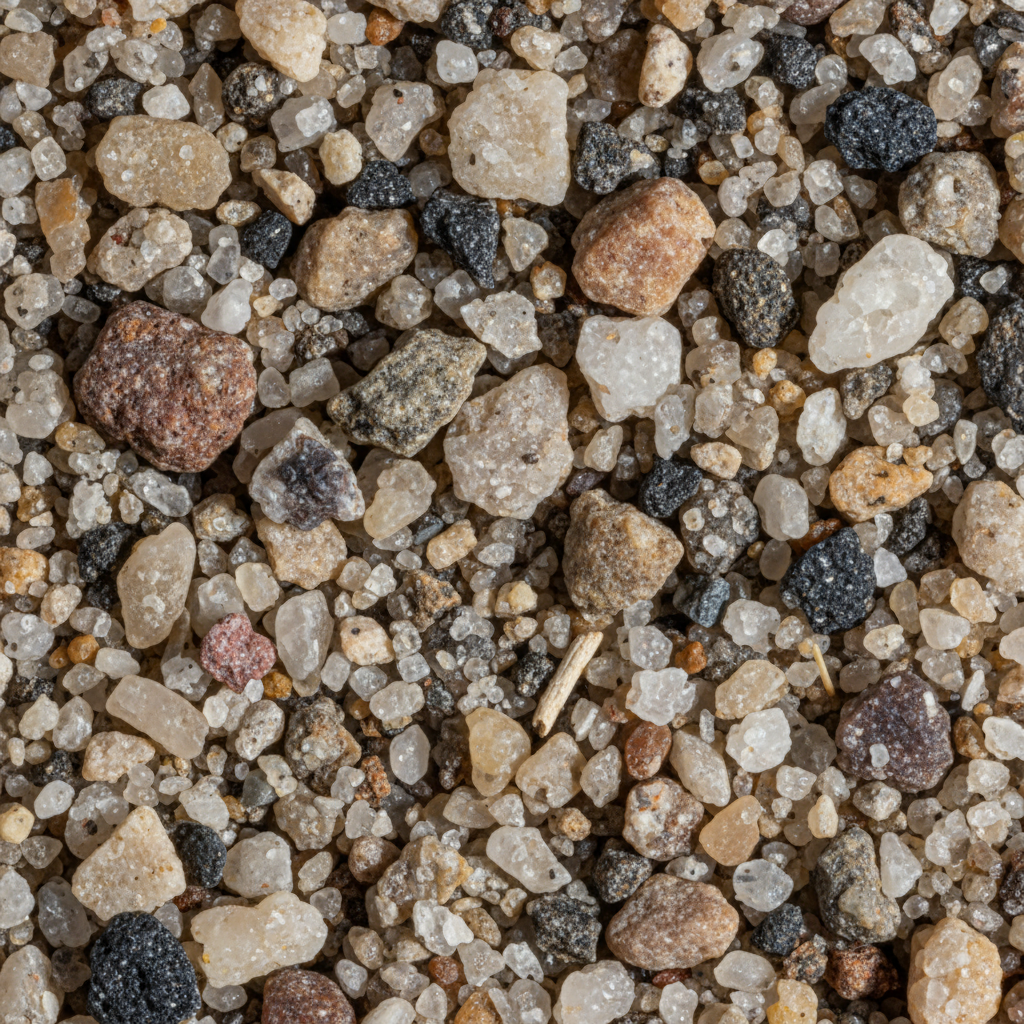
Think about a day at the beach. What do you feel under your toes? That's right, sand! Sand is one of the main ingredients in soil, and it's made up of tiny pieces of rock that have been broken down over a very, very long time.
- Size: Sand particles are the biggest of our three main soil ingredients. Imagine tiny pebbles, but even smaller.
- Feel: If you rub sand between your fingers, it feels gritty and rough, like tiny grains of sugar that aren't quite dissolved.
- How it works: Because sand particles are big, they don't pack together very tightly. This leaves lots of little spaces between them. Think of a jar filled with marbles – there's plenty of air and room for water to zip right through! This means sandy soil doesn't hold water very well; water drains through it quickly, like trying to hold water in a colander.
- Analogy: Sand is like the 'big kids' of the soil world. They give the soil structure and allow air to get in, which roots need to breathe, but they're not great at holding onto water or food (nutrients) for very long.
Ingredient 2: Clay – The Tiny and Sticky Bits!
Now, let's meet clay! Clay is the opposite of sand in many ways. It's made of even tinier pieces of rock, so small you can barely see them individually.
- Size: Clay particles are the smallest of all the soil ingredients. They are like microscopic dust!
- Feel: When clay is dry, it can feel smooth and hard, almost like a piece of pottery. But when it gets wet, oh boy! It feels sticky and slippery, like wet Play-Doh or mud that wants to cling to your boots.
- How it works: Because clay particles are so incredibly tiny, they can pack together very, very tightly. Imagine filling that jar with super fine powder instead of marbles. There are hardly any spaces! This means clay soil holds onto water very well, sometimes too well. Water can get stuck, and the soil can become soggy and squishy. It also holds onto important nutrients for plants, like a super-strong magnet.
- Analogy: Clay is like the 'baby siblings' of the soil world. They're super small, very clingy, and love to hold onto everything – especially water and nutrients! But sometimes they hold on too tight, making it hard for roots to grow or for water to drain away.
Ingredient 3: Humus – Nature's Super Food!
 ⚠️ This picture may have spelling mistakes. Trust the words in the lesson.
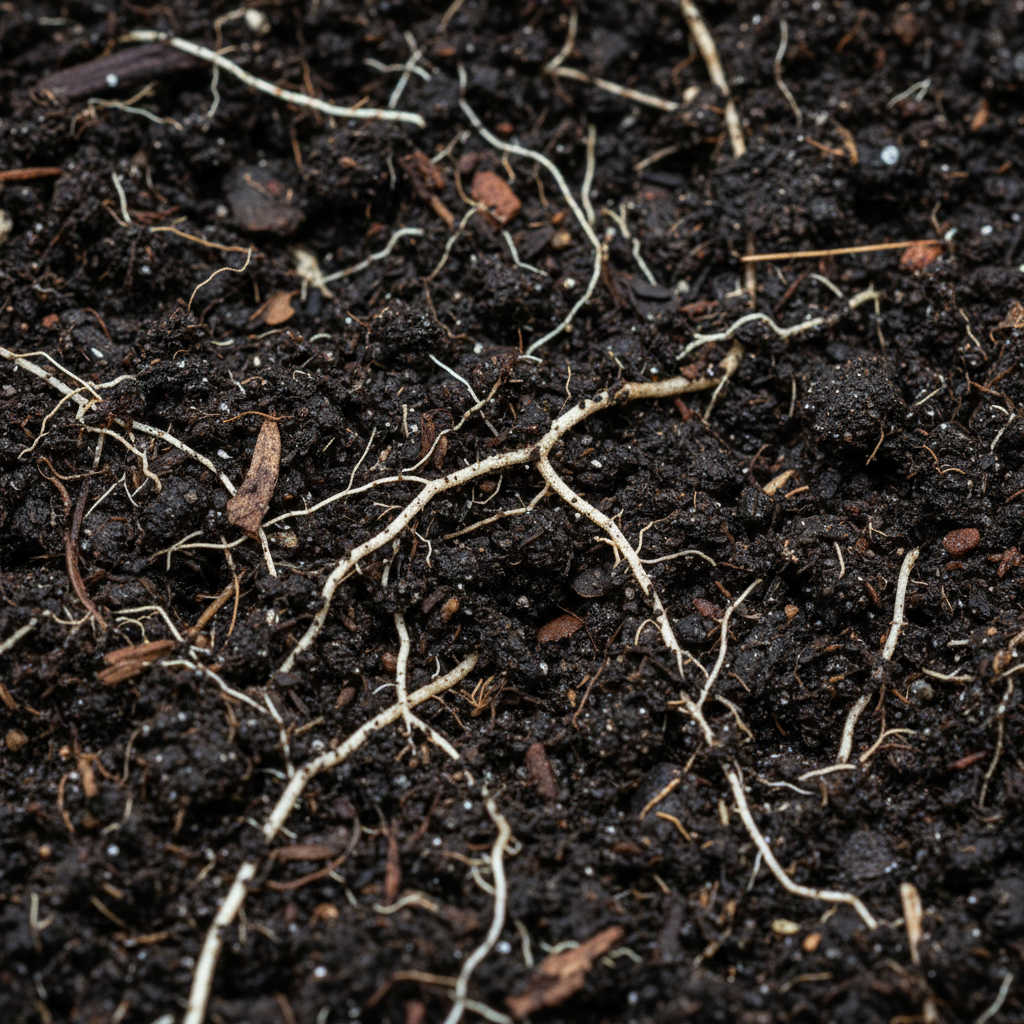
This is where things get really interesting and a bit... spooky, but in a good way! Humus isn't rock at all. It's made from things that used to be alive!
- What it is: Humus is dark brown or black material formed when dead plants (like fallen leaves, old grass, twigs) and dead animals (like tiny insects) break down over time. It's like nature's very own recycling system! Tiny living things like worms, bacteria, and fungi help to break everything down.
- Feel: Humus feels soft, spongy, and crumbly. It often has a wonderful, earthy smell – that fresh, clean smell of a forest floor after it rains.
- How it works: Humus is super important because it's packed with all the nutrients (the 'food') that plants need to grow strong and healthy. It's like a delicious, nutrient-rich smoothie for plants! It also helps soil in amazing ways: it acts like a sponge, helping both sandy soil to hold more water and clay soil to drain better by creating spaces. It also makes the soil nice and fluffy, so roots can spread out easily.
- Analogy: Humus is like the 'multivitamin' and 'super-chef' of the soil world! It provides all the good food for plants, helps all the other ingredients work better together, and makes the soil a cozy place for roots and tiny creatures to live. It's what makes soil truly alive and healthy!
The Perfect Mix: Loam Soil
Just like a good chef knows how to mix ingredients to make the best cake, nature has a way of mixing sand, clay, and humus to make different kinds of soil. The best kind of soil for most plants is called loam soil. Loam has a good balance of sand, clay, and lots of humus. This makes it just right:
- It drains water well (thanks to sand).
- It holds enough water and nutrients (thanks to clay and humus).
- It's airy and soft for roots (thanks to sand and humus).
- It's full of plant food (thanks to humus)!
Why is Soil So Important?
Soil is not just dirt! It's the foundation of life on Earth. Plants grow in soil, and they give us food, oxygen, and homes for animals. Many tiny creatures, like worms and insects, live in the soil and help keep it healthy. Without healthy soil, we wouldn't have healthy plants, and life as we know it would be very different!
So, the next time you step outside, take a moment to think about the amazing secret world beneath your feet. It's a complex, living, and vital part of our planet, all thanks to a wonderful mix of sand, clay, and humus!
Keep learning, free
Create a free Syllabax account to unlock practice questions and games for this topic.
Visual Learning Enhanced! 🚀
To help you master this topic, we use Advanced Syllabax AI to generate detailed diagrams and visual models.
Note on Visuals: The AI sometimes makes spelling errors in image labels. Please refer to the lesson text for the correct terminology.