Hard/soft, rough/smooth, shiny/dull (Materials Around Us)
Watch this topic in 60 seconds
Free preview · Lesson 1
Understanding Hard/soft, rough/smooth, shiny/dull (Materials Around Us)
Materials Around Us: Hard/Soft, Rough/Smooth, Shiny/Dull
Hello, young explorers! Look around you right now. What do you see? A table? A chair? A book? A toy? Everything you see, touch, and use is made of something called a material. Just like superheroes have different powers, different materials have different special qualities or 'properties' that make them unique!
1. Hard and Soft
Let's start with two very common properties: Hard and Soft.
What does 'Hard' mean?
Imagine trying to squish a big rock. Can you change its shape easily? No way! A rock is very strong and doesn't like to change its shape. That's because it's hard.
- Hard materials are tough and firm. They resist being pushed, bent, or scratched.
- Think of it like a strong shield that protects.
Analogies for Hard:
- A crunchy carrot is hard, while a cooked noodle is soft.
- A brick wall is hard, but a fluffy cloud is not.
- Your bones inside your body are hard, helping you stand strong!
Examples of Hard Materials: Wood, metal (like a spoon), glass, most rocks, a hard plastic toy.
What does 'Soft' mean?
Now, imagine squishing a fluffy pillow. Easy-peasy, right? You can change its shape with just a little push. That's because the pillow is soft.
- Soft materials are flexible and can be easily squished, bent, or changed in shape.
- Think of it like a cozy blanket that you can easily cuddle up with.
Analogies for Soft:
- A comfy bed is soft, unlike a hard floor.
- Play-Doh is soft because you can mold it into any shape. A wooden block is hard because you can't.
- A baby's blanket is soft, but a wooden ruler is hard.
Examples of Soft Materials: Cotton balls, sponges, fabric (like your clothes), rubber, playdough, feathers.
Why do we care? We use hard materials when we need something strong, like for building houses or making tools. We use soft materials for comfort, like beds and clothes, or for cleaning, like sponges.
2. Rough and Smooth
Next up are Rough and Smooth. These properties describe how something feels when you touch it.
What does 'Rough' mean?
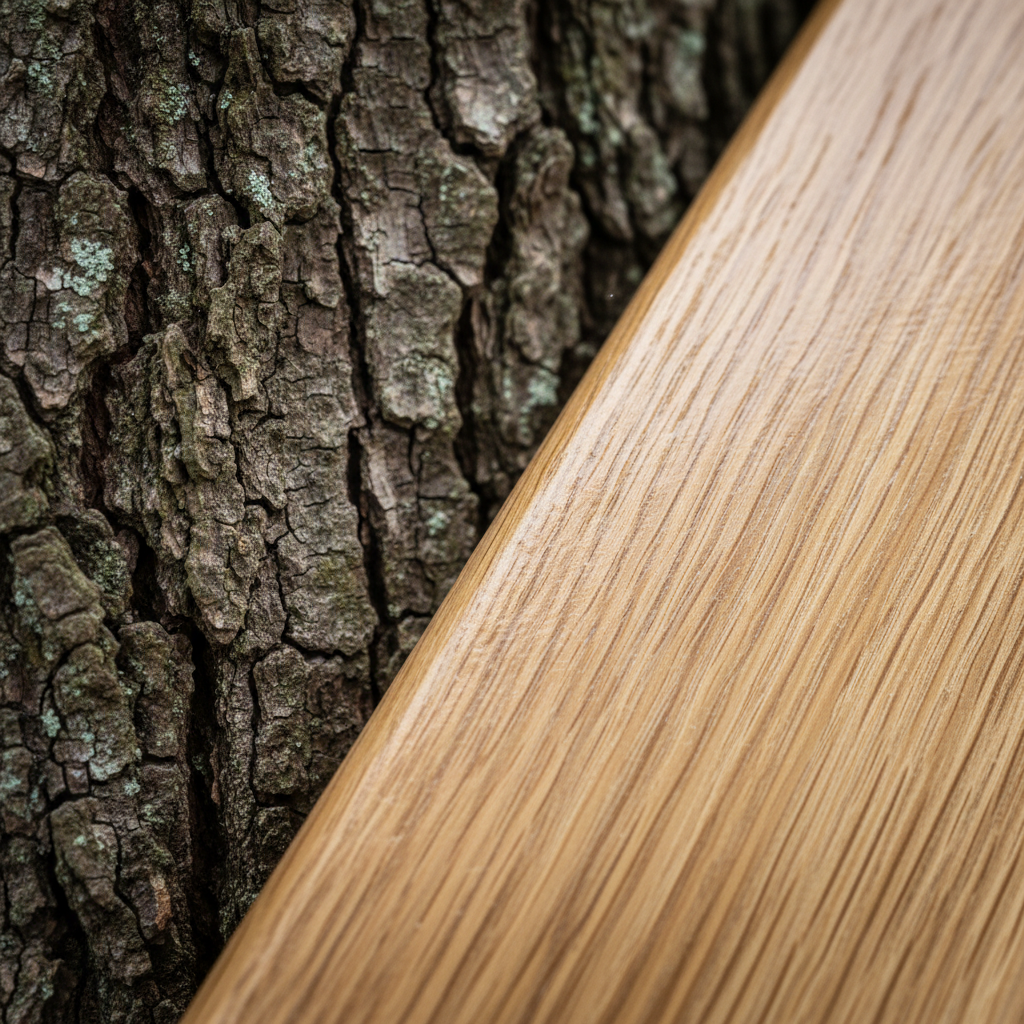
Close your eyes and rub your hand on the bark of a tree. What do you feel? Bumps, ridges, and a bit scratchy, right? That's what we call rough.
- Rough materials have an uneven surface with bumps, ridges, or little pointy bits.
- Think of it like a bumpy road that makes your car shake a little.
Analogies for Rough:
- Sandpaper is very rough, useful for smoothing out wood.
- The skin of a pineapple is rough, but the inside fruit is smooth.
- A gravel path is rough, but an ice rink is super smooth.
Examples of Rough Materials: Sandpaper, brick, tree bark, a knitted sweater, rocks, many types of fabric (like denim).
What does 'Smooth' mean?
Now, run your hand over a clean window or a polished table. How does that feel? Slippery, even, and flat, right? That's what we call smooth.
- Smooth materials have a flat, even surface with no bumps or ridges.
- Think of it like sliding down a smooth slide in the park. Wheee!
Analogies for Smooth:
- A mirror is smooth, allowing you to see your reflection clearly.
- A calm lake's surface is smooth, but ocean waves are rough.
- A baby's skin is wonderfully smooth, while a cat's tongue feels a bit rough!
Examples of Smooth Materials: Glass, polished wood, silk fabric, a calm water surface, polished metal, plastic toys.
Why do we care? We use rough materials when we need grip (like the bottom of your shoes) or to clean things (like a scrub brush). We use smooth materials when we want things to slide easily (like a hockey puck on ice) or for comfort.
3. Shiny and Dull
Finally, let's talk about how materials reflect light: Shiny and Dull.
What does 'Shiny' mean?
Hold up a brand new, clean coin or look into a mirror. What happens? They sparkle and reflect light back at you! You can almost see yourself. That's what we call shiny.
- Shiny materials reflect a lot of light, making them look bright and often reflective, like a mirror.
- Think of a superhero's glistening suit that catches all the light!
Analogies for Shiny:
- A diamond or a piece of jewelry is shiny and sparkles.
- A polished apple looks shiny, but an old, unpolished rock looks dull.
- The surface of a pond when the sun is out can be shiny, like a mirror.
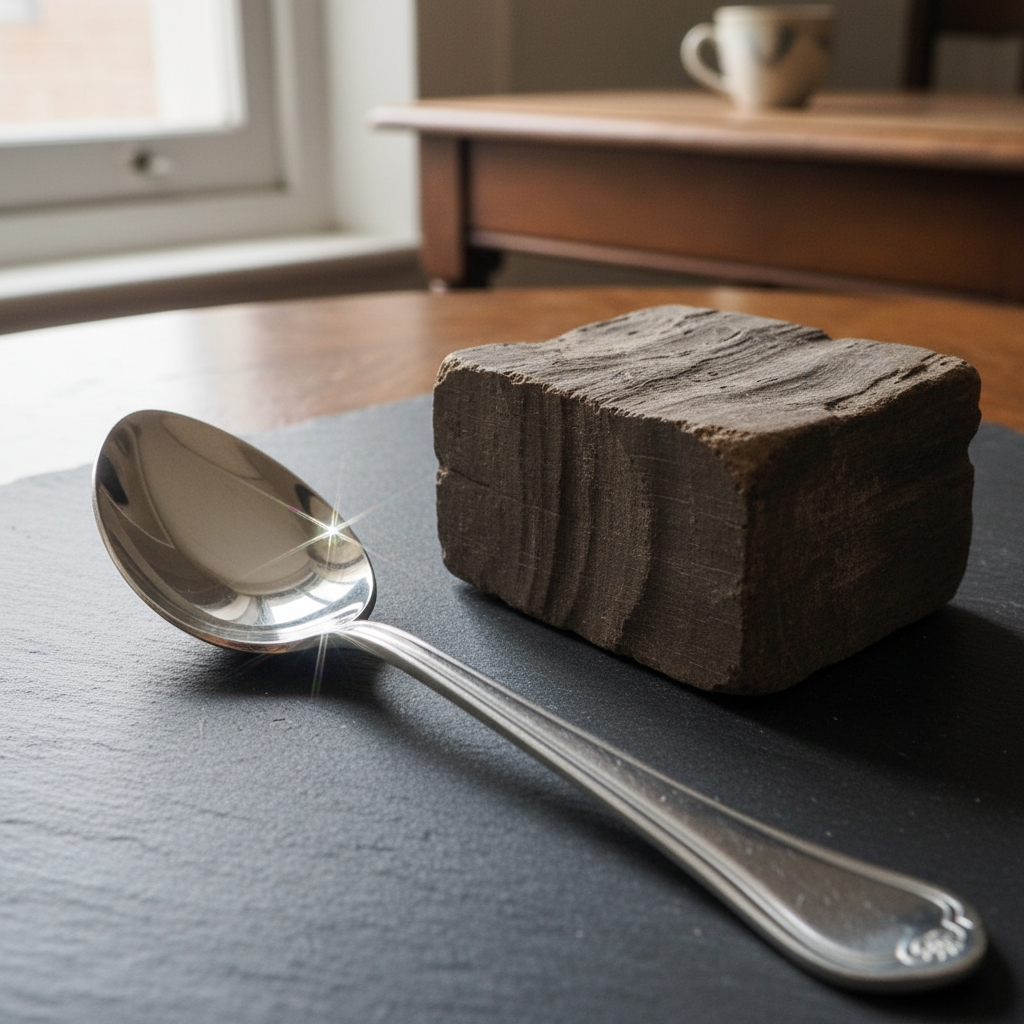
Examples of Shiny Materials: Polished metals (like silver or gold), mirrors, glass, some plastics, water surfaces on a sunny day.
What does 'Dull' mean?
Now, look at your cloth shirt or a piece of wood that isn't painted. Does it reflect light like a mirror? Not really. It just absorbs the light, and you can't see your reflection. That's what we call dull.
- Dull materials do not reflect much light. They tend to look flat, matte, or dark.
- Think of a dark cave that doesn't let much light in or out.
Analogies for Dull:
- A rusty old bucket is dull, but a brand new silver bucket is shiny.
- A matte painting on a wall is dull, but a glossy photo is shiny.
- Your cotton t-shirt is dull, but a shiny foil wrapper is not.
Examples of Dull Materials: Fabric (like cotton or wool), unpolished wood, most rocks, paper, rubber, unpainted walls.
Why do we care? We use shiny materials for things like mirrors, jewelry, or even parts of cars to make them stand out. We use dull materials when we don't want a lot of reflection, like for camouflage or surfaces that need to absorb light.
 ⚠️ This picture may have spelling mistakes. Trust the words in the lesson.
Putting It All Together
Remember, one object can have many properties! A rock can be hard (it's tough), rough (it has bumps), and dull (it doesn't reflect light much). A window is hard (it's firm), smooth (it's flat), and shiny (it reflects light!).
By understanding these properties – hard/soft, rough/smooth, and shiny/dull – you become a super scientist who knows all about the amazing materials around us! Keep exploring and touching everything (with permission, of course!) to discover their unique properties.
Keep learning, free
Create a free Syllabax account to unlock practice questions and games for this topic.
Visual Learning Enhanced! 🚀
To help you master this topic, we use Advanced Syllabax AI to generate detailed diagrams and visual models.
Note on Visuals: The AI sometimes makes spelling errors in image labels. Please refer to the lesson text for the correct terminology.