Learning Journey
Watch this topic in 60 seconds
Free preview · Lesson 1
Understanding Measuring objects around us (Length , Weight & Capacity)
Measuring Objects Around Us: Length, Weight, and Capacity
Hello young learners! Today, we're going on an exciting adventure to explore the world of measuring things around us. Just like a detective uses tools to solve mysteries, we use tools to measure. We'll learn about three important ways to measure: Length, Weight, and Capacity. Get ready to discover how big, how heavy, and how much things can hold!
What is Measurement?
Imagine you want to tell your friend about your new toy car. You could say, "It's a car!" But is that enough? What if your friend wants to know if it's small enough to fit in their pocket? That's where measurement comes in! Measurement helps us describe things more precisely. It tells us 'how much' of something there is.
Part 1: Measuring Length - How Long or Tall Something Is
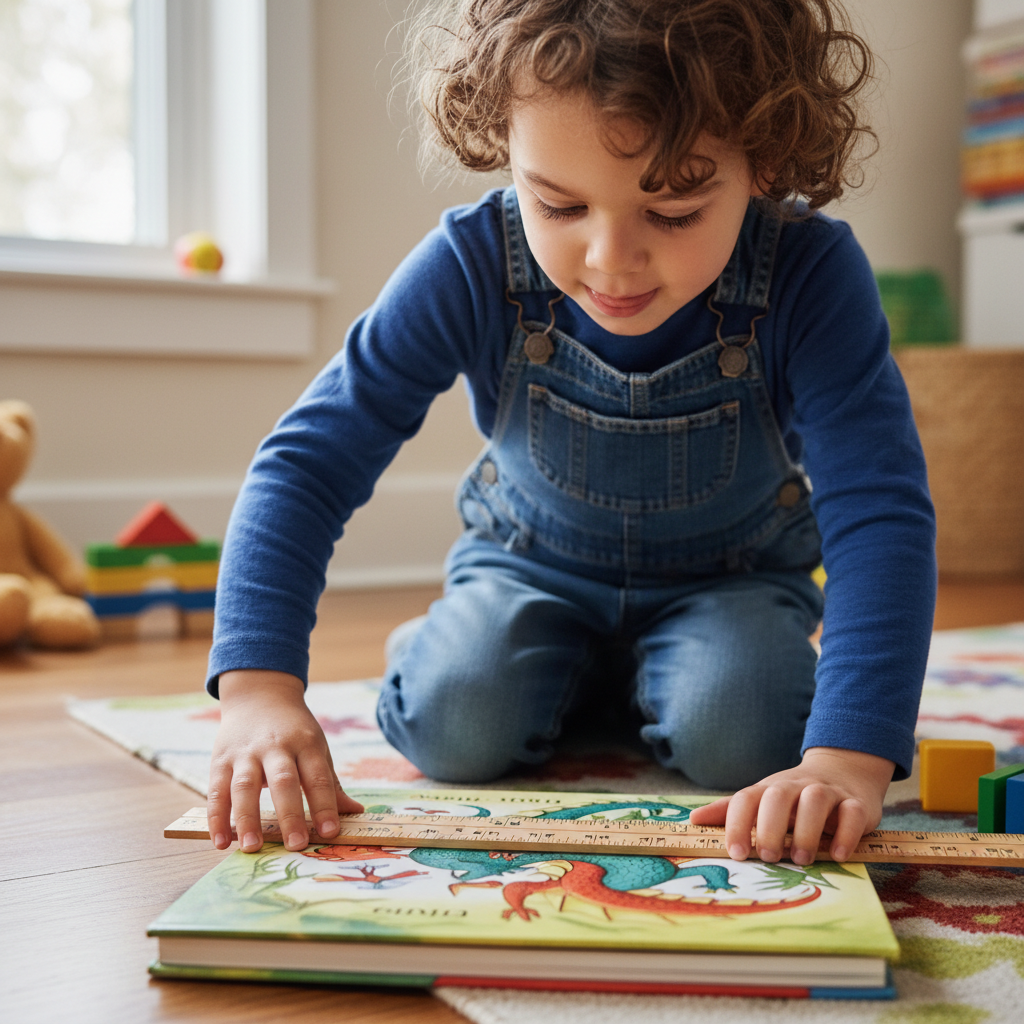
Length tells us how long, short, tall, or wide something is. Think about your height! Your mom or dad can measure how tall you are. They might use a measuring tape or a ruler.
What are Units of Length?
We use special words called units to measure length. For shorter things, we often use:
- Inches: Imagine a tiny ant walking. It might take a few ant steps to cross a small toy block. An inch is like a small step for a grown-up.
- Centimeters: This is another way to measure small things, like the length of your finger.
For longer things, like the length of a room or how tall a tree is, we might use:
- Feet: If you put three large building blocks end-to-end, that's about the length of one foot.
- Meters: A meter is longer than a foot. Imagine a big jump! That's roughly a meter.
Analogies for Length:
- Pencils and Crayons: Are your crayons longer or shorter than your pencils? We can measure their length to find out!
- Beds and Sofas: A bed is much longer than a pillow, right? We measure their length to compare them.
- Books: Is your favorite storybook tall or short? We can measure its height!
Tools for Measuring Length:
- Ruler: This is usually a flat, straight stick, often made of plastic or wood, with marks for inches and centimeters. It's perfect for measuring small things like books or the length of your hand.
- Measuring Tape: This is like a long ribbon that can be rolled up. It's used for measuring bigger things like furniture or the size of a room.
 ⚠️ This picture may have spelling mistakes. Trust the words in the lesson.
Part 2: Measuring Weight - How Heavy or Light Something Is
Weight tells us how heavy or light an object is. Have you ever tried to lift a feather? It's very light! Now, have you tried to lift a big bag of toys? It's much heavier!
What are Units of Weight?
We use special words to talk about weight. For lighter things, we might use:
- Ounces: A few paperclips together might weigh about an ounce.
- Grams: A small candy might weigh a few grams.
For heavier things, we use:
- Pounds: A loaf of bread might weigh about one pound. A small dog might weigh 10 pounds!
- Kilograms: This is like the pound, but used in other countries. A big bag of sugar might weigh one kilogram.
Analogies for Weight:
- Feather vs. Rock: A feather is super light, but a rock can be very heavy.
- Balloon vs. Bowling Ball: A balloon filled with air is light, but a bowling ball is heavy!
- Apple vs. Watermelon: You can probably lift an apple easily. A watermelon is much heavier!
Tools for Measuring Weight:
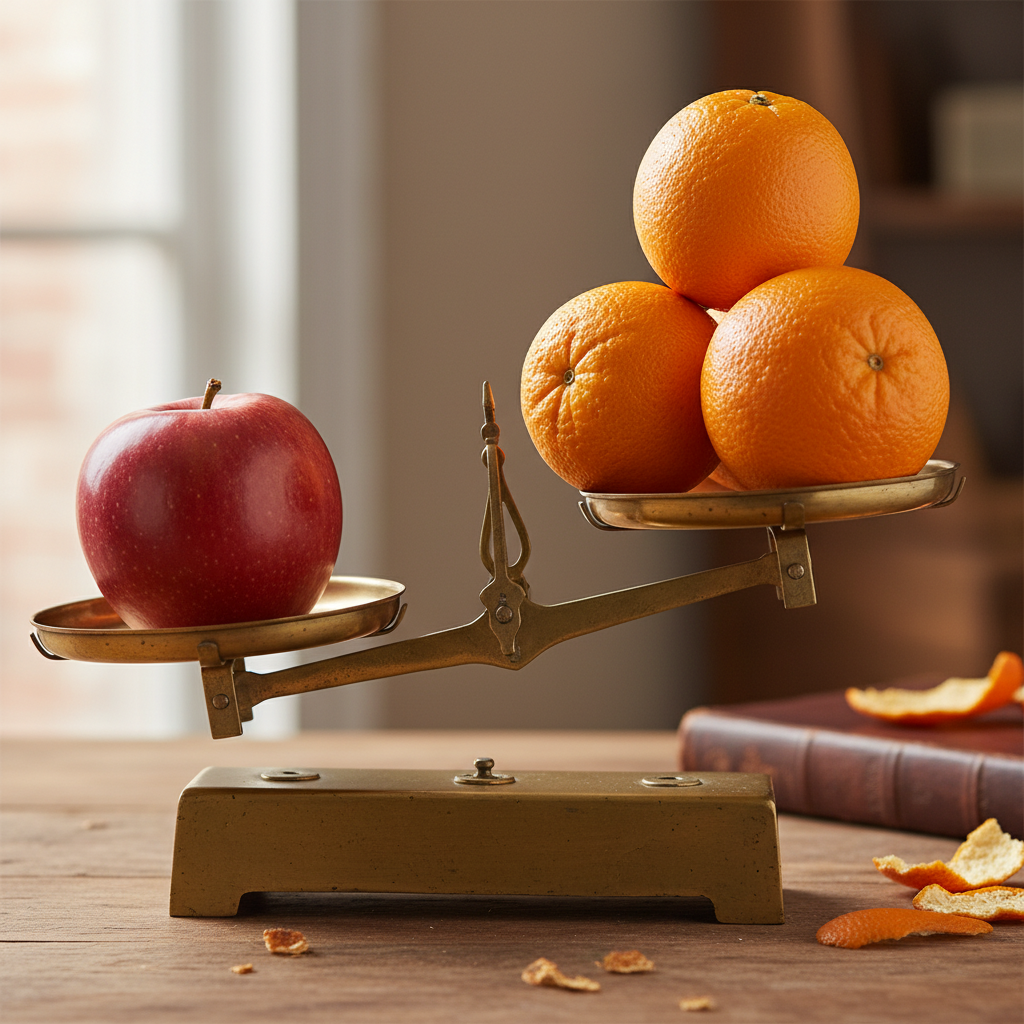
- Balance Scale: This scale has two pans. You put an object in one pan and weights in the other until they balance. It helps you see which is heavier.
- Kitchen Scale: This scale often has a platform where you place an item, and a display shows its weight. You might use it to weigh ingredients for baking.
- Bathroom Scale: This is what you stand on to find out how much you weigh!
Part 3: Measuring Capacity - How Much Something Can Hold
Capacity tells us how much a container can hold. Think about a cup, a bottle, or a bucket. Capacity is about the 'fullness' of the container.
What are Units of Capacity?
We use these units to measure how much a container can hold:
- Cups: A small teacup can hold a few cups of liquid.
- Pints: A pint is more than a cup. Think of a small milk carton.
- Quarts: A quart is more than a pint. A small juice jug might hold a quart.
- Gallons: A gallon is a lot! Think of a large milk jug you buy at the store.
- Liters: This is a common unit for measuring liquids, like a bottle of water.
Analogies for Capacity:
- Sip vs. Gulp: You take a sip from a small cup, but you might gulp from a big water bottle. The cup has less capacity than the bottle.
- Puddle vs. Swimming Pool: A puddle can hold only a little water, but a swimming pool can hold a huge amount of water!
- Small Box vs. Big Trunk: A small box can hold a few toys, but a big trunk can hold many, many toys.
Tools for Measuring Capacity:
- Measuring Cups: These are cups with lines marked on them to show different amounts. They are often used in the kitchen for baking and cooking.
- Measuring Jugs/Pitchers: These look like pitchers and have markings to measure larger amounts of liquids.
- Beakers and Graduated Cylinders: These are often used in science labs to measure liquids precisely.
Putting It All Together!
We learned about three important ways to measure: length (how long or tall), weight (how heavy or light), and capacity (how much something holds). Remember, using the right tools and units helps us understand the world around us better!
Keep learning, free
Create a free Syllabax account to unlock practice questions and games for this topic.
Visual Learning Enhanced! 🚀
To help you master this topic, we use Advanced Syllabax AI to generate detailed diagrams and visual models.
Note on Visuals: The AI sometimes makes spelling errors in image labels. Please refer to the lesson text for the correct terminology.