Characteristics of living things[BIOLOGY]
Watch this topic in 60 seconds
Free preview · Lesson 1
Understanding Characteristics of living things[BIOLOGY]
Exploring the Amazing World of Living Things!
Have you ever wondered what makes a bouncy ball different from a growing plant, or a flying bird different from a stationary rock? The answer lies in the amazing characteristics of living things! In this lesson, we'll explore the fundamental traits that all living organisms share, from the tiniest bacteria to the largest whale.
What Does it Mean to Be Alive?
Imagine a superhero with a special set of powers. Living things also have a special set of 'powers' or characteristics that set them apart from non-living things. These are like the secret code that tells us something is alive!
1. Movement: The Great Escape Artists!
One of the most obvious signs of life is movement. But not all movement is the same! Some living things move their whole bodies, like a cheetah running or a fish swimming. Others move parts of their bodies, like a flower turning its head towards the sun or your hand reaching for a cookie. Even plants, which seem so still, move! Their roots grow downwards into the soil, and their stems and leaves grow upwards towards the light. This movement is often driven by an internal 'engine' or system within the organism.
Analogy: Think of a remote-controlled car. It can move on its own, but it needs a battery (its internal energy) and commands (its internal system) to move. A living thing is like that car, but its 'battery' is its food and energy, and its 'commands' come from its own body!
Non-living things, like a toy car or a rock, can only move if something else pushes or pulls them. They don't have their own 'engine' to get going.
2. Growth: Getting Bigger and Better!
Have you ever looked at old photos of yourself and noticed how much you've changed? That's growth! All living things grow. They start small and get bigger over time. This isn't just about getting taller; it's also about developing and changing. A tiny seed grows into a big tree, a tadpole grows into a frog, and you, well, you're still growing into your amazing self!
Analogy: Think of building with LEGOs. You start with a few bricks and add more and more until you have a big, impressive castle. Living things build themselves up with tiny building blocks called cells, adding more and more to become larger and more complex.
Non-living things might get bigger, but it's usually by adding material from the outside, like a pile of sand getting bigger when you add more sand. They don't grow from within by making new parts of themselves.
3. Reproduction: Making More of Their Kind!
This is a super important characteristic! Living things can create new living things that are similar to themselves. This is called reproduction. It's how families and species continue to exist. Think about how cats have kittens, dogs have puppies, and humans have babies. Plants also reproduce, often by making seeds that can grow into new plants.
Analogy: Imagine a baker who makes cookies. The baker (the parent living thing) can make many more cookies (offspring) that look and taste like the original. Reproduction is the way living things 'bake' more of themselves!
A rock can't make another rock, and a chair can't make another chair. They don't have the ability to create copies of themselves.
4. Response to Stimuli: Reacting to the World Around Them!
Living things are aware of their surroundings and can react to changes. These changes are called stimuli (singular: stimulus). For example, if you touch a hot stove, you pull your hand away immediately – that's a response to the stimulus of heat! Plants also respond. If you shine a light on one side of a plant, its leaves will grow towards the light. Animals react to sounds, sights, smells, and even touch.
Analogy: Think of a thermostat in your house. If the temperature gets too cold (a stimulus), the thermostat 'tells' the heater to turn on (a response). Living things have their own internal 'thermostats' that help them react to their environment to stay safe and healthy.
A non-living thing, like a statue, might be moved by the wind, but it doesn't 'decide' to move or react on its own. It just gets pushed.
5. Nutrition: Fueling the Engine!
Living things need food to survive. Food gives them energy to move, grow, and do everything else that living things do. This process of taking in and using food is called nutrition. Animals eat plants or other animals. Plants make their own food using sunlight, water, and air through a process called photosynthesis.
Analogy: Think of a car needing gasoline to run. Food is like the 'gasoline' for living things. It provides the energy they need to keep their 'engine' running smoothly.
A toy car doesn't need food; it needs batteries. A rock doesn't need food; it's just a rock!
6. Respiration: Breathing In and Out!
Living things need to get energy from their food. Respiration is the process where living things break down food to release energy. For many living things, this involves breathing in oxygen and breathing out carbon dioxide. This is like the 'power plant' inside their bodies that turns food into usable energy.
Analogy: Imagine a campfire. You need wood (food) and air (oxygen) to make a fire that produces heat and light (energy). Respiration is like a tiny, controlled 'campfire' inside every cell of a living thing, releasing energy from food.
Non-living things don't need to 'breathe' or break down food for energy.
7. Excretion: Getting Rid of Waste!
Just like our bodies produce waste (like sweat or urine), living things also produce waste products as a result of their life processes. Excretion is the removal of these waste materials from the body. This is important for keeping the organism healthy, just like cleaning your room keeps it tidy and pleasant!
Analogy: Think of a garbage truck. It comes and takes away the trash from your house, keeping your home clean. Excretion is the body's way of having its own 'garbage truck' to remove waste products.
A fallen leaf might decompose, but it's not actively 'excreting' waste. A broken plate just sits there, producing no waste.
Putting it all Together: Are You Alive?
Let's test your understanding! Look around you. Is your pet dog showing these characteristics? Yes! It moves, grows, eats (nutrition), breathes (respiration), might have puppies (reproduction), reacts to you (response), and gets rid of waste (excretion).
What about a stuffed animal? It might look like it's alive, but it doesn't grow on its own, it can't make more stuffed animals, and it doesn't need food or air. It's a wonderful, but non-living, object.
Understanding these characteristics helps us appreciate the incredible diversity of life on Earth and what makes each living thing unique!
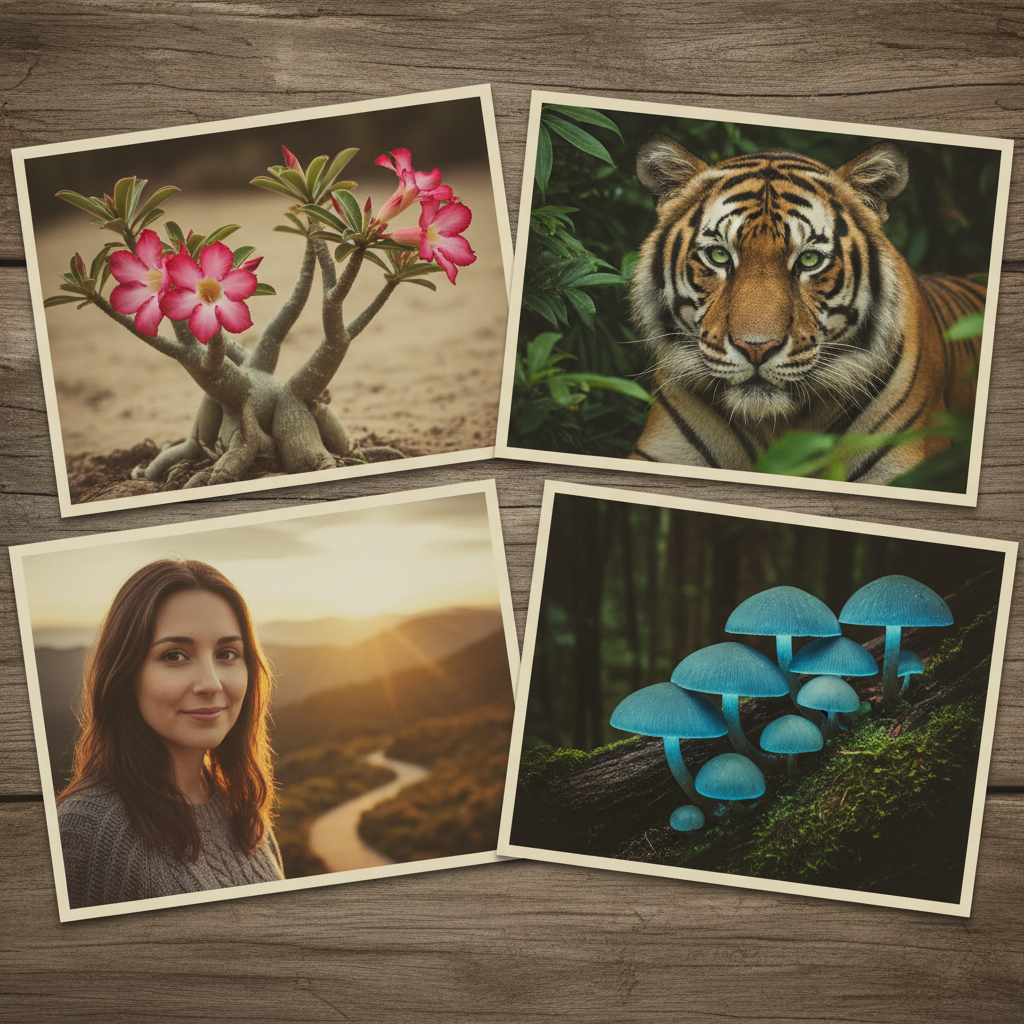 ⚠️ This picture may have spelling mistakes. Trust the words in the lesson.
Keep learning, free
Create a free Syllabax account to unlock practice questions and games for this topic.
Visual Learning Enhanced! 🚀
To help you master this topic, we use Advanced Syllabax AI to generate detailed diagrams and visual models.
Note on Visuals: The AI sometimes makes spelling errors in image labels. Please refer to the lesson text for the correct terminology.