Living vs non-living (objects part only) (Objects Around Us )
Watch this topic in 60 seconds
Free preview · Lesson 1
Understanding Living vs non-living (objects part only) (Objects Around Us )
Living vs. Non-Living: Objects Around Us!
Hello, young explorers! Look around you right now. What do you see? Maybe a chair, a book, your friend, a plant, or even a tiny ant crawling on the floor. Wow, there are so many different things, aren't there? Today, we're going on an exciting adventure to sort these things into two big groups: Living Things and Non-Living Things!
What Makes Something a "Living Thing"?
Imagine your favorite pet, maybe a playful puppy or a cuddly kitten. What does your pet do? It runs, it eats its food, it drinks water, and it gets bigger every day, right? These are clues that your pet is a living thing!
Here are the special things living things can do, all by themselves:
- They need food and water (and air too!). Just like you need breakfast, lunch, and dinner to play and learn, living things need energy. A plant needs sunlight and water to make its food, and a bird needs to find seeds or worms. Think of it like a car needing gas to go! Without gas, the car stops. Without food and water, living things can't live!
- They grow! You started as a tiny baby and now you're much bigger! Your puppy was once a tiny pup and now it's a big dog. A little seed becomes a tall tree. Living things get bigger and change over time. It's like building blocks, adding more and more until it's much taller! But living things add blocks all by themselves!
- They move! A butterfly flies from flower to flower, a fish swims in the water, and you run and jump! Living things can move on their own. Even a plant moves a little bit, turning its leaves towards the sun. Imagine your favorite toy car, but this toy car could drive itself without you pushing it! That's how living things move!
- They can have babies (or make more of themselves)! A mommy bird lays eggs, a cat has kittens, and a big tree grows seeds that can become new trees. This is how living things make more of their kind. It's like having a special copying machine that makes more copies of itself!
- They respond to things! If you tickle your pet, it might wag its tail or purr. If you touch a hot stove (don't do this!), you quickly pull your hand away because it hurts. Plants turn towards the sun. Living things can feel and react to what's around them. It's like when you hear a loud noise and jump a little, or when you feel hungry!
So, humans, animals, and plants are all living things because they do these amazing things!
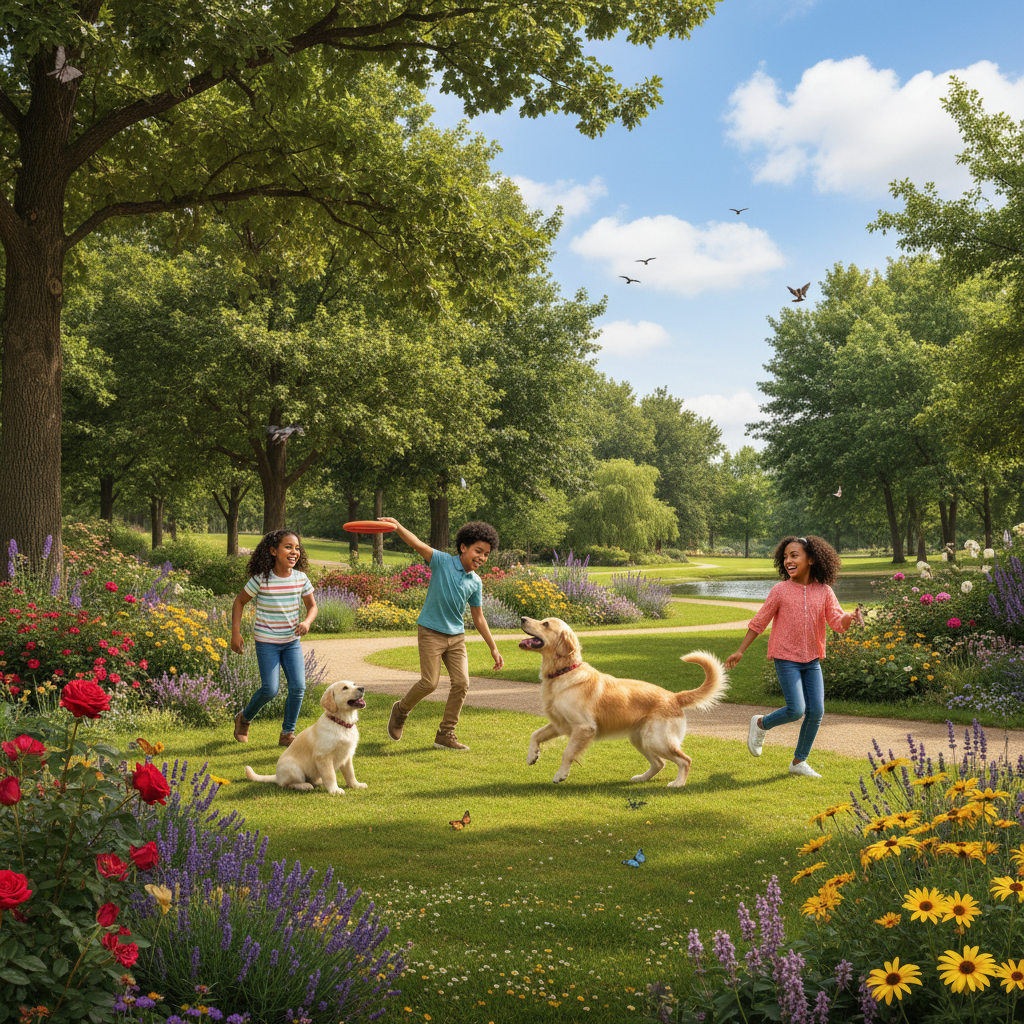 ⚠️ This picture may have spelling mistakes. Trust the words in the lesson.
What Makes Something a "Non-Living Thing"?
Now, let's look at your favorite toy car. Does it get hungry? Does it grow bigger by itself? Can it make baby cars? No, right? That's because your toy car is a non-living thing.
Here's what makes something a non-living thing:
- They don't need food, water, or air. Your chair doesn't get thirsty. Your book doesn't need to eat. They don't have bellies to fill! Unlike a plant that wilts without water, a rock stays the same forever without food or water.
- They don't grow by themselves. A toy block will always stay the same size unless you break it or add another block. Your table won't suddenly become taller. Non-living things don't grow on their own. If you leave a small pebble on the ground, it won't grow into a big boulder by itself, even after a hundred years!
- They don't move on their own. Your school bag can't walk to school by itself. A ball just sits there until you kick it. Non-living things need someone or something else to move them. Imagine your bicycle; it only moves when you pedal it or push it! It can't go for a ride by itself!
- They can't have babies. Your crayon can't make more crayons. A spoon can't make little baby spoons. Non-living things don't reproduce. A toy robot will never have a little toy robot child, no matter how long you wait!
- They don't respond to things. If you talk to a wall, it won't talk back. If you pinch a table, it won't feel anything. Non-living things don't feel or react. It's like trying to tell a joke to a stone; it won't laugh or even smile!
Things like rocks, water, toys, clothes, and buildings are all non-living things.
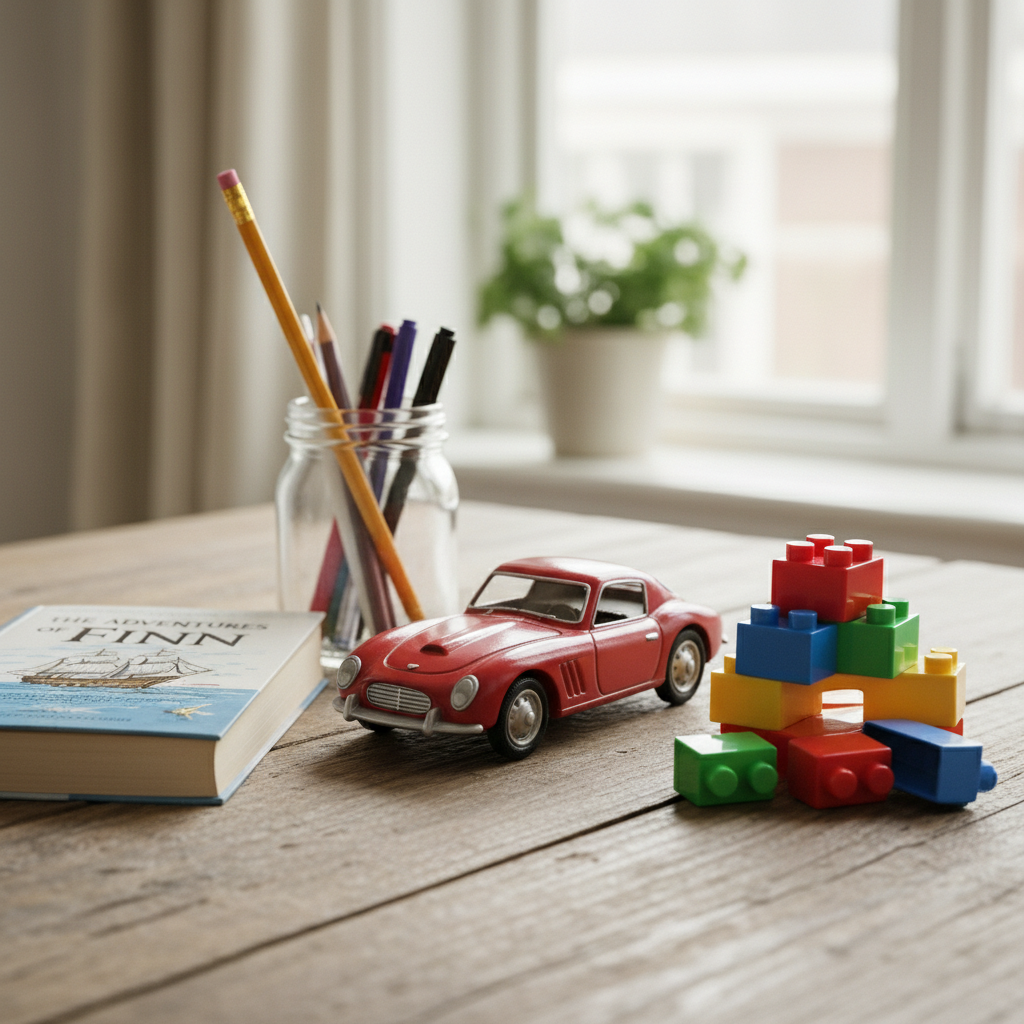
Living vs. Non-Living: The Big Differences!
Let's put it all together. It's like a fun game of "Spot the Difference"!
| Feature | Living Things | Non-Living Things |
|---|---|---|
| Need Food & Water? | Yes, for energy to live and grow. | No, they don't eat or drink. |
| Grow? | Yes, they get bigger and change. | No, they stay the same size (unless broken or built upon by outside forces). |
| Move on their own? | Yes, they can walk, fly, swim, or turn. | No, they need help to move. |
| Have Babies? | Yes, they can make more of their kind. | No, they cannot reproduce. |
| Respond to things? | Yes, they can feel, react, or sense. | No, they don't feel or react. |
Let's practice with some examples!
- A tree: Needs water and sunlight, grows taller, can sway in the wind, makes seeds. Is it living or non-living? Living!
- A bicycle: Doesn't need food, doesn't grow, only moves when you pedal it, can't have baby bicycles. Is it living or non-living? Non-Living!
- A bird: Needs worms to eat, flies, lays eggs, builds nests. Is it living or non-living? Living!
- A rock: Doesn't eat, doesn't grow, only moves if you kick it, can't have baby rocks. Is it living or non-living? Non-Living!
Why is this important?
Understanding the difference between living and non-living things helps us understand the world around us better! It helps us know how to take care of living things, like our pets and plants, and appreciate all the wonderful things in our environment. It also helps us understand why some things need our help (like watering a plant) and others don't (like leaving a rock alone).
Keep exploring, keep observing, and you'll become a super scientist in no time!
Keep learning, free
Create a free Syllabax account to unlock practice questions and games for this topic.
Visual Learning Enhanced! 🚀
To help you master this topic, we use Advanced Syllabax AI to generate detailed diagrams and visual models.
Note on Visuals: The AI sometimes makes spelling errors in image labels. Please refer to the lesson text for the correct terminology.