Properties: soft/hard, rough/smooth (Materials )
Watch this topic in 60 seconds
Free preview · Lesson 1
Understanding Properties: soft/hard, rough/smooth (Materials )
Exploring the World of Materials: Soft/Hard, Rough/Smooth
Hello, young explorers! Today, we're going on an exciting adventure to discover how we can describe all the amazing things around us. Everything you see and touch, from your cuddly teddy bear to the sturdy table where you eat your snacks, has special ways we can talk about it. These special ways are called properties. Think of properties like adjectives that describe what something is like!
What are Properties?
Imagine you're trying to describe your favorite toy to a friend. You might say it's red, big, or sparkly. These are all properties! Today, we're going to learn about some very important properties: whether something is soft or hard, and whether it is rough or smooth. These properties tell us a lot about how things feel when we touch them.
Get ready to use your super sense of touch!
Property 1: Soft vs. Hard
Let's start with two very common properties: soft and hard. These words tell us how easy or difficult it is to squish, bend, or change the shape of something.
What Does 'Soft' Mean?
Imagine your comfy pillow or your favorite blanket. When you push on it, what happens? It probably squishes down easily, right? That's because it's soft! Soft things are easy to squish, bend, or change their shape with just a little bit of force. They often feel gentle and yielding.
- Analogy Time! Think of a fluffy cloud floating in the sky. If you could touch it, it would feel incredibly soft, like a giant cotton ball. Or think about a marshmallow – easy to squish!
- Examples of Soft Things: A teddy bear, a sponge, a piece of cotton, a towel, a bouncy rubber ball (it squishes a little!). Your skin is soft!
What Does 'Hard' Mean?
Now, imagine a rock, a wooden table, or a brick wall. Try to squish them. Can you? No way! They stay just as they are. That's because they are hard! Hard things are very difficult to squish, bend, or change their shape. They are firm and strong, and they resist being pushed or pulled out of shape.
- Analogy Time! Think of a mighty oak tree trunk. It's incredibly strong and unyielding. Or think about a diamond – it's one of the hardest things on Earth!
- Examples of Hard Things: A metal spoon, a glass window, a ceramic plate, a toy block, a pebble. Your bones are hard!
Look at the picture below. Can you tell which object is soft and which is hard just by looking at how they are used or what they are made for?
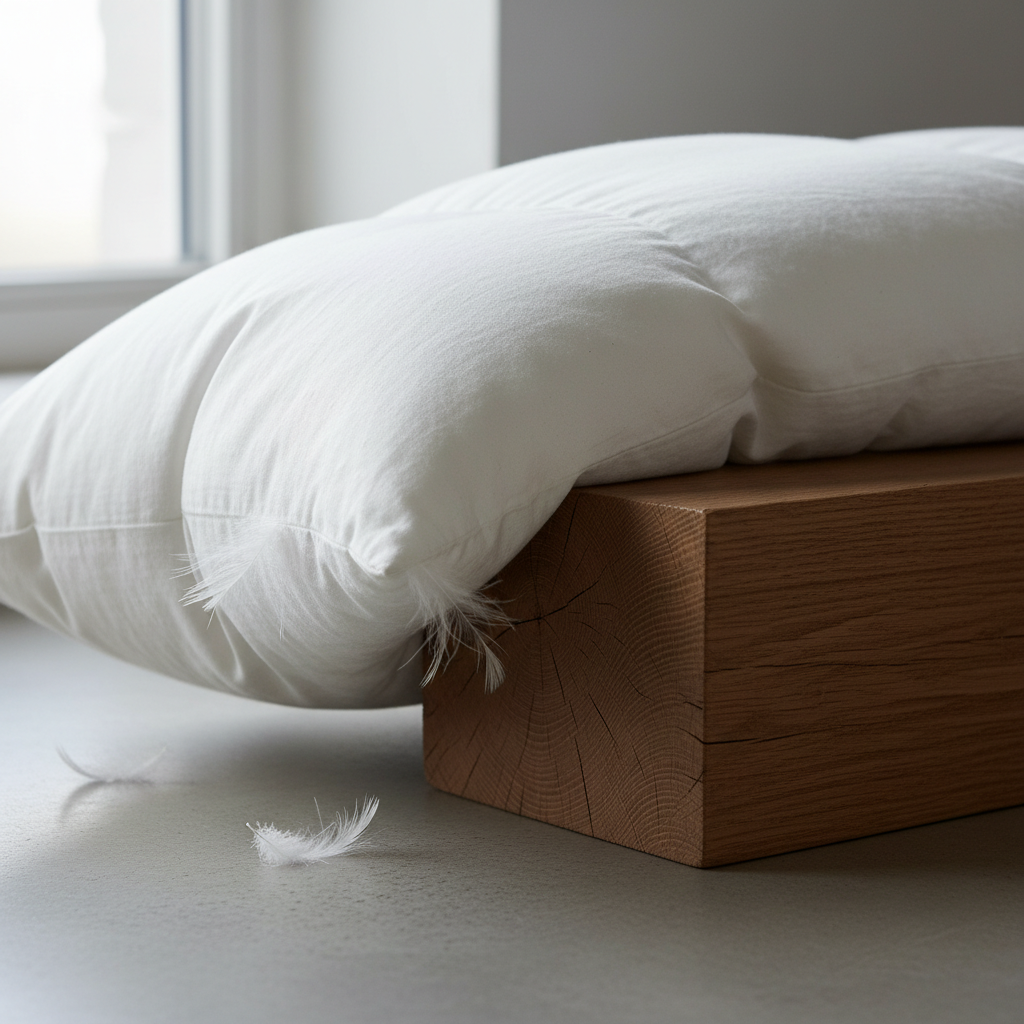
We use soft things for comfort, like a soft bed to sleep in, or soft clothes to wear. We use hard things when we need something strong and sturdy, like a hard floor to walk on or a hard cup to hold our drink!
Property 2: Rough vs. Smooth
Now let's explore another pair of properties that tell us how things feel when we slide our fingers across them: rough and smooth.
What Does 'Smooth' Mean?
Close your eyes and imagine sliding your hand across a window pane, a polished table, or a shiny mirror. How does it feel? It feels even, flat, and perhaps a little bit slippery, right? That's because it's smooth! Smooth things have a surface that is very even, without bumps or ridges. Your hand glides easily over them.
- Analogy Time! Think of an ice-skating rink. It's perfectly smooth so the skates can glide effortlessly. Or think about a calm, still lake – its surface is wonderfully smooth.
- Examples of Smooth Things: A glass bottle, a plastic toy, a polished rock, a piece of silk fabric, a calm puddle.
What Does 'Rough' Mean?
Now, imagine running your hand over a tree trunk, a piece of sandpaper, or a brick wall. How does that feel? It feels bumpy, uneven, perhaps a little scratchy or grippy, right? That's because it's rough! Rough things have a surface with lots of tiny bumps, ridges, or textures that make your hand feel friction as it moves across.
- Analogy Time! Think of a bumpy road that makes your car shake a little. Or imagine a cat's tongue – it feels a bit rough and scratchy!
- Examples of Rough Things: A pinecone, the bark of a tree, a piece of sandpaper, a loofah sponge, a brick wall, some kinds of carpet.
Here’s another picture to help you see and imagine the difference between rough and smooth textures:

We like smooth things for writing on, like paper, or for making things look pretty and shiny. We use rough things when we need grip, like the rough treads on our shoes to stop us from slipping, or rough sandpaper to smooth wood!
Why Do Properties Matter?
Knowing if something is soft or hard, or rough or smooth, helps us understand the world around us. It helps us choose the right materials for different jobs:
- Would you want a hard pillow? Probably not, it wouldn't be comfortable!
- Would you want a soft house? No, it wouldn't stand up strong!
- Would you want a rough slide at the park? Ouch, no! A smooth slide is much more fun.
- Would you want smooth tires on your bicycle? No, rough treads give you grip so you don't slip!
Every material has properties, and these properties make it useful for different things. So, next time you touch something, take a moment to think: Is it soft or hard? Is it rough or smooth? You'll be a materials detective in no time!
Let's Summarize!
Today we learned that everything around us has special properties that describe how it feels. We focused on four important words:
- Soft: Easy to squish and change shape (like a cloud or a pillow).
- Hard: Difficult to squish or change shape (like a rock or a table).
- Smooth: Feels flat and even, easy to glide over (like glass or a mirror).
- Rough: Feels bumpy, uneven, or scratchy (like tree bark or sandpaper).
Keep exploring and touching the world around you to discover more about these amazing properties!
Keep learning, free
Create a free Syllabax account to unlock practice questions and games for this topic.
Visual Learning Enhanced! 🚀
To help you master this topic, we use Advanced Syllabax AI to generate detailed diagrams and visual models.
Note on Visuals: The AI sometimes makes spelling errors in image labels. Please refer to the lesson text for the correct terminology.