Transparent, translucent, opaque objects (Light)
Watch this topic in 60 seconds
Free preview · Lesson 1
Understanding Transparent, translucent, opaque objects (Light)
Exploring Light: Transparent, Translucent, and Opaque Objects!
Hello, young explorers! Have you ever wondered why you can see through some things but not others? It's all about how light acts when it meets different objects! Today, we're going on an exciting adventure to discover three special words: Transparent, Translucent, and Opaque. These words help us understand how objects let light pass through them, or block it completely.
What is Light?
Imagine the sun shining brightly, or a lamp lighting up your room. That's light! Light helps us see everything around us. Without light, everything would be dark, and we wouldn't be able to see colors, shapes, or our friends' smiling faces. Light travels in straight lines, and when it bumps into an object, different things can happen.
1. Transparent Objects: See-Through Superstars!
Our first stop is with objects that are Transparent. Think of the word "trans-parent" like "pass through." These are objects that let almost ALL light pass straight through them, just like magic! Because light can travel through them so easily, you can see clearly what's on the other side, as if nothing is even there.
Analogies to Help You Understand:
- A Clean Window: Look out your window right now. Can you see the trees, cars, and people outside very clearly? That's because the window glass is transparent. It lets almost all the light from outside come into your room, and it lets you see out.
- Your Eyeglasses: If you or someone you know wears glasses, the lenses are transparent. They let light go straight to your eyes so you can see things sharply and clearly.
- Clear Drinking Water: If you have a glass of pure, clear water, you can see right through it to the bottom of the glass or to the table underneath. The water is transparent.
- Clear Plastic Wrap: When your grown-up covers food with clear plastic wrap, you can still see exactly what's inside the bowl.
Key Idea for Transparent: Light goes THROUGH! You can see CLEARLY!
 ⚠️ This picture may have spelling mistakes. Trust the words in the lesson.
2. Translucent Objects: Blurry and Beautiful!
Next, we have objects that are Translucent. This word means that some light can get through, but not all of it, and the light that does get through gets scattered or spread out. It's like light has to push its way through a crowd!
Because the light gets scattered, you can't see clearly through translucent objects. Things on the other side look blurry, fuzzy, or hazy. You can tell something is there, but you can't see the exact details or shapes.
Analogies to Help You Understand:
- Frosted Glass: Think of the glass on a bathroom window or a shower door. You can see light coming through, and you know there's a person on the other side, but you can't see their face clearly. It's all blurry! That's frosted glass being translucent.
- Tracing Paper: When artists use tracing paper, they can see the outline of a picture underneath, but it's not super sharp. It's just clear enough to trace.
- Thin Curtains: Some window curtains are thin enough to let light into your room, but they make the view outside look soft and hazy. You can see the sunlight, but not every detail of the tree outside.
- A Foggy Day: When it's foggy outside, you can still see light from the sun, but everything looks blurry and hard to see clearly. The fog itself is acting translucent.
Key Idea for Translucent: SOME light goes THROUGH, but it's BLURRY!
3. Opaque Objects: Light Blockers!
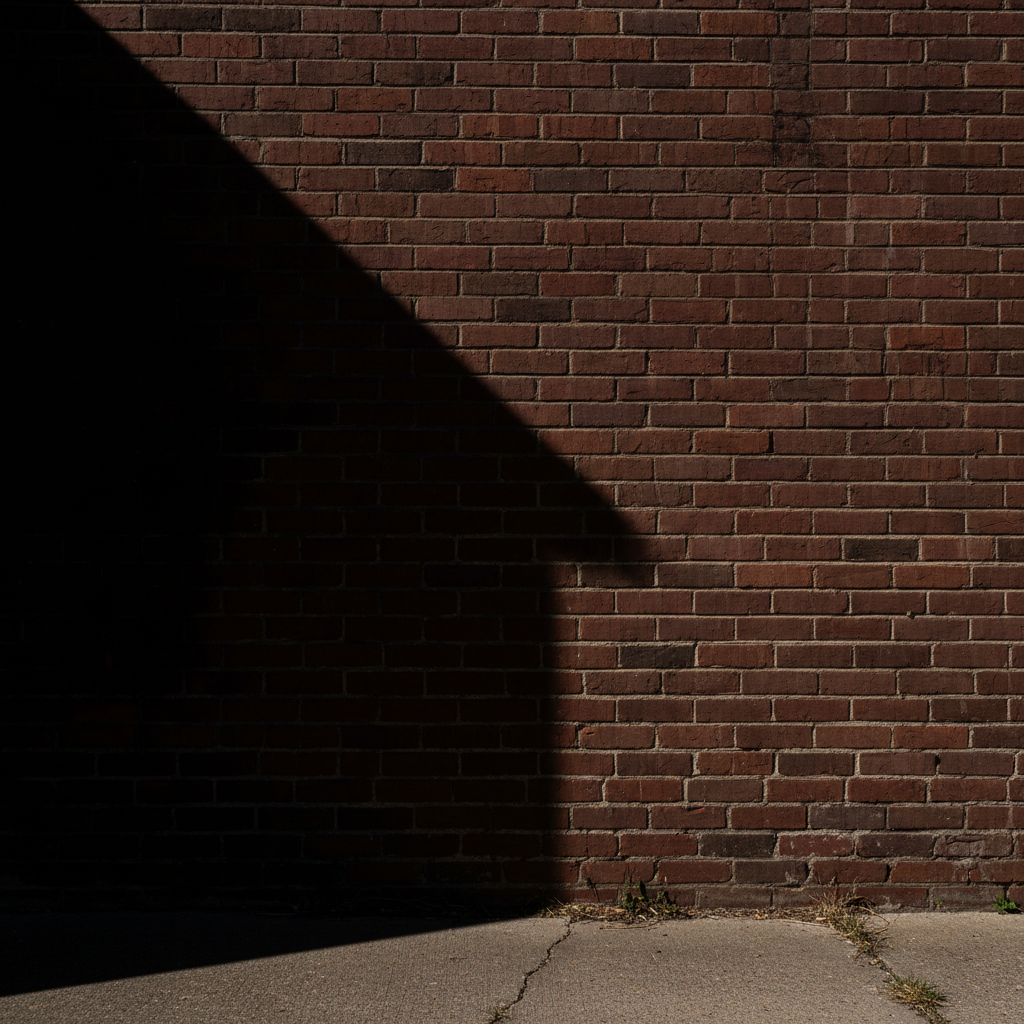
Finally, we come to Opaque objects. These are the strong, silent types! Opaque objects do NOT let any light pass through them at all. They completely block the light. When light hits an opaque object, it either bounces off it (that's how we see the object itself!) or it gets absorbed by the object.
Because no light can pass through, you absolutely cannot see anything on the other side of an opaque object. If you hold an opaque object up to the light, you will see a shadow behind it! Shadows are formed because opaque objects block light.
Analogies to Help You Understand:
- Your Hand: Hold your hand up to a light. Can you see through it? No! Your hand is opaque. That's why it casts a shadow on the wall.
- A Thick Book: Try to look through your favorite storybook. Can you see the words on the other page through the cover? Of course not! The book is opaque.
- A Wall: You can't see into the next room through a wall, can you? Walls are opaque, so they keep light and sights out (or in!).
- A Wooden Door: A door is made to block light and give you privacy. It's opaque.
Key Idea for Opaque: NO light goes THROUGH! You cannot see ANYTHING!
 ⚠️ This picture may have spelling mistakes. Trust the words in the lesson.
Putting It All Together!
Let's do a quick recap!
- Transparent: Like a perfectly clean window. Light passes through easily. You see clearly.
- Translucent: Like frosted glass. Some light passes through, but it's scattered. You see blurrily.
- Opaque: Like a brick wall. No light passes through. You cannot see anything at all. It casts a shadow!
Why is this important?
Understanding transparent, translucent, and opaque objects helps us design our world! We use transparent materials for windows so we can see outside. We use translucent materials for lampshades to soften the light. And we use opaque materials for walls and doors to build sturdy homes and keep out the sun when we want to sleep.
Now you're a light expert! You know how different objects interact with light, making our world a diverse and interesting place to see!
Keep learning, free
Create a free Syllabax account to unlock practice questions and games for this topic.
Visual Learning Enhanced! 🚀
To help you master this topic, we use Advanced Syllabax AI to generate detailed diagrams and visual models.
Note on Visuals: The AI sometimes makes spelling errors in image labels. Please refer to the lesson text for the correct terminology.